Bronze Age gold torc found with a Minelab Manticore
A detectorist describes a gold torc more than 3,000 years old, found during a storm after a 37 VDI signal.
November 20, 2025
ShareLink copied!
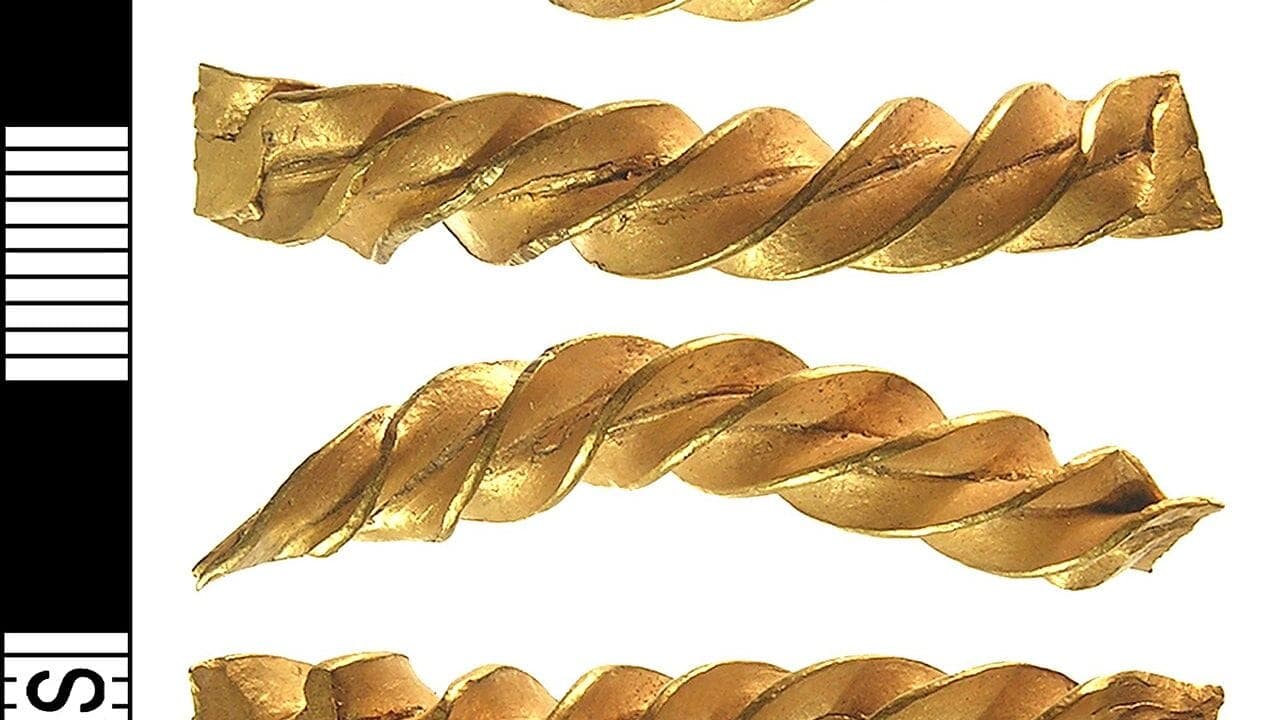
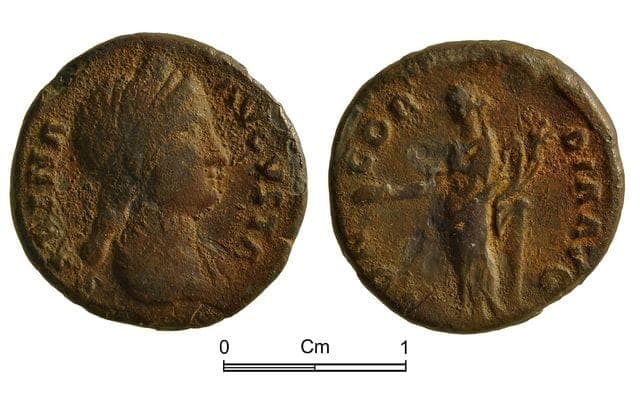
Isle of Wight Council, Frank Basford, 2011-12-29 14:12:28 — CC BY-SA 4.0, via Wikimedia Commons
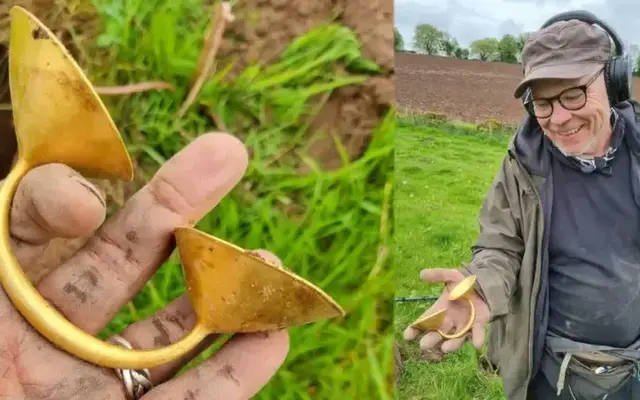
According to the Minelab blog, a detectorist has recovered a Bronze Age gold torc believed to be more than 3,000 years old. The account is written in the first person, and the source does not name the finder, the exact location or the date of the find. These details are missing, and it would be wrong to infer them.
The outing had started well. The author and a friend, Mike, arrived at the site under clear skies. Within a few hours, however, the weather deteriorated dramatically, with lightning and torrential rain. The detectorist says he was soaked through and ready to call it a day.
It was at that point that the Minelab Manticore, the detector in use, returned a clear signal with a low, clean tone. The reading shown on the display was 37 VDI. VDI (Visual Discrimination Indicator) is the number with which the detector estimates the type of metal under the coil. A reading like this must always be verified by digging. The author does not explain how the signal was interpreted at the time and does not attach any particular significance to the number. He only says the tone was sharp and consistent.
The dig was shallow, between 6 and 8 inches, or about 15 to 20 centimetres. A thin strip of metal appeared in the wall of the hole. The detectorist admits that at first glance he mistook it for rubbish. When he pulled it out, however, he realised it was not: he says his heart stopped and he shouted to his friend that he had found gold. Kneeling in the mud, in the rain, he realised he was holding a Bronze Age gold torc.
On the question of correct procedure, the source is clear: the find was reported through the appropriate channels. It is now at the British Museum, where analysis and valuation are under way. The text does not mention outcomes. The weight, the dimensions and any dating more precise than "more than 3,000 years old" are not given, and it is not known whether the object will be declared treasure or acquired by a museum. These are aspects the source does not cover, so we do not address them.
Readers familiar with archaeology will know that a torc is an open-ring object, usually worn around the neck, and that in gold it is associated with high-status contexts. The account says nothing about the context of the find, so this is only a general note and not information about this particular object.
The type of source also matters. The text is published on the manufacturer's blog and ends with praise for the Manticore, described as decisive on the day for its precision and power in cutting through ground noise. It is a personal testimony in a commercial setting, which is not an independent verification of the discovery or a test of the machine.
It remains a useful example for anyone who practises detecting. A clear signal deserves checking even when the weather is terrible. A fragment of metal visible in the wall of a dig can be far more than it appears. And, above all, a find of this kind should be reported to the competent authorities, as happened in this case. The protagonist closes with a line that sums up the day: the detector did not just find the story; it helped him reconnect with it.
ADV
The AI assistant for metal detecting
Custom programs, restricted-area checks, ground recognition and much more.Try it free →Get the app