There is no fixed depth: the size and type of the target, the ground, the search coil and the machine all change the result decisively.
July 27, 2026
ShareLink copied!
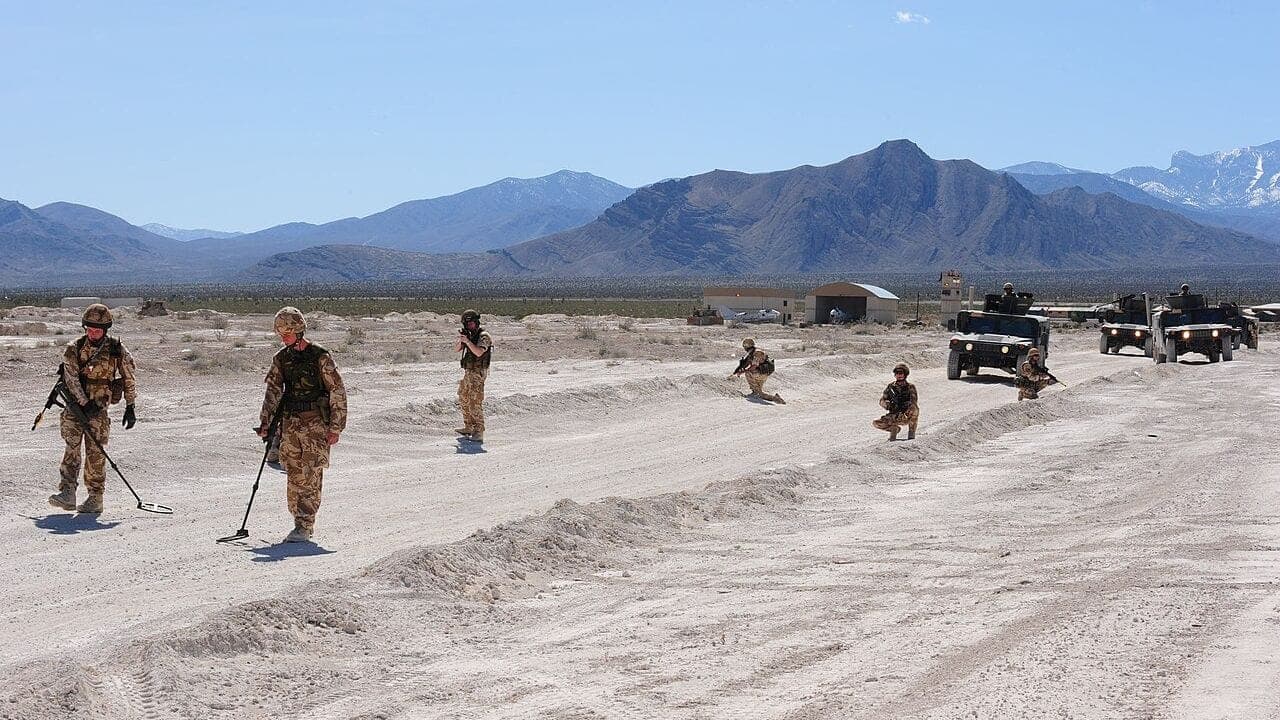
U.S. Air Force photo/Senior Airman Stephanie Mancha — Public domain, via Wikimedia Commons
One of the first questions people ask when they start metal detecting is: how deep does my detector reach? You want a precise number, but the honest answer is that there is no fixed detection depth. A machine that picks up a large object more than a metre down without difficulty can struggle with a tiny hammered silver coin buried just 25 cm deep. Depth depends on several factors working together: target size, type of metal, ground conditions, the search coil used and the characteristics of the detector.
The factor that matters most is the size of the object. A large target produces a stronger signal and can be detected at greater depths, while small objects, such as thin coins or delicate gold jewellery, produce weak signals that fade quickly as you go deeper into the ground. This is why two objects buried at the same depth can give completely different responses.
Metal also matters. Silver and copper, which are highly conductive, tend to return stronger signals than small pieces of iron or poorly conductive metals. Gold is a special case: many gold objects, especially jewellery, are small and irregularly shaped, which makes them harder to pick up. Be careful, however, not to reduce everything to conductivity. Size, shape, depth, orientation in the soil and ground conditions can matter even more: a large iron object can give a much clearer signal than a tiny gold ring, even though iron conducts far less.
The ground is the other major variable. Mineralised soils, wet saltwater beaches and areas heavily contaminated with metal waste reduce the useful depth. By contrast, a clean pasture or a well-drained farm field generally allows much better performance. Modern simultaneous multi-frequency detectors help compensate for difficult conditions, but no machine is completely immune to tricky ground. This is why ground balance adjustment remains one of the operations that make the difference in the field.
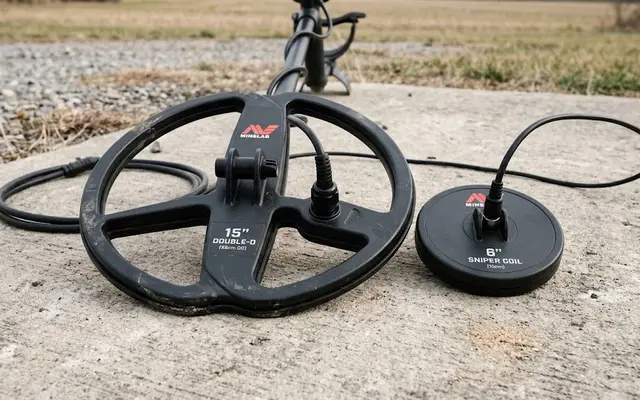
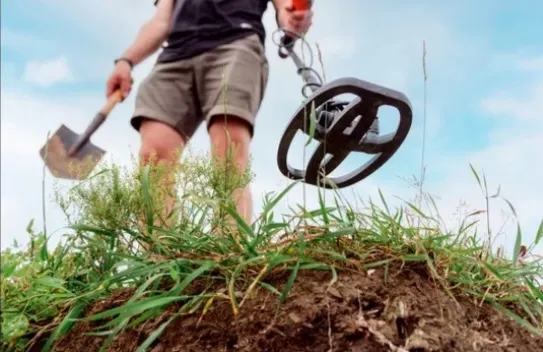
The choice of search coil has a noticeable effect. Large coils generally offer more depth on larger objects and cover more ground with each sweep, so they suit open fields. Small coils perform best in areas full of iron, because they separate closely spaced targets better, at the cost of a maximum depth that is usually somewhat lower. There is therefore no best coil in absolute terms: it depends on where you search and what you hope to find.
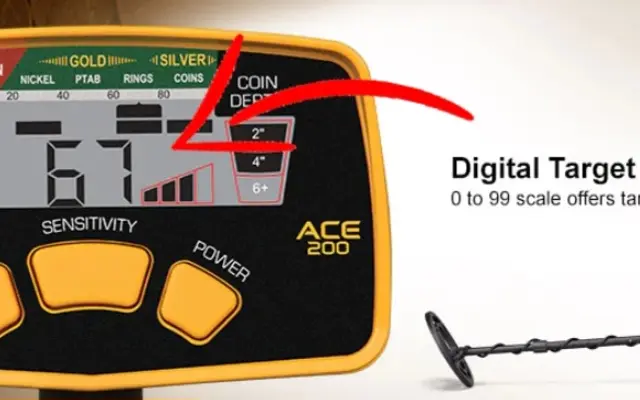
A frequent question is whether a more expensive detector always goes deeper. According to the source, the LP Metal Detecting website, it does not: high-end models do not detect dramatically deeper than entry-level ones. Their advantage lies elsewhere: maintaining good performance in difficult ground, identifying targets with greater accuracy and better separating good signals from iron. In many cases the added value is recovering finds that a cheaper machine either fails to signal at all or misidentifies.
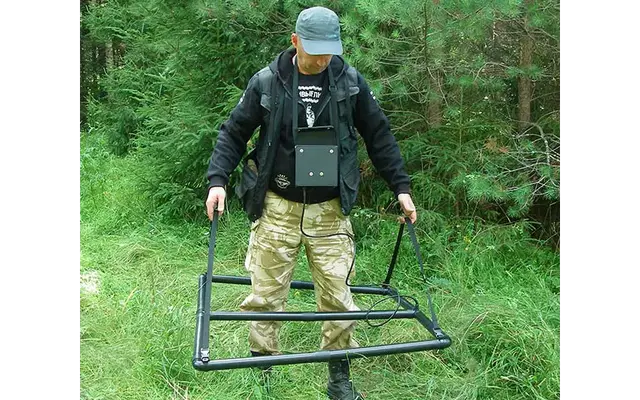
You also come across videos online promising finds at several metres of depth. In reality, common hobby detectors are designed to find coin-sized objects in the surface layers of the ground. To reach several metres, specialist equipment is needed, such as two-box detectors or pulse induction units, and even then they are designed to locate large buried objects, not single coins or jewellery.
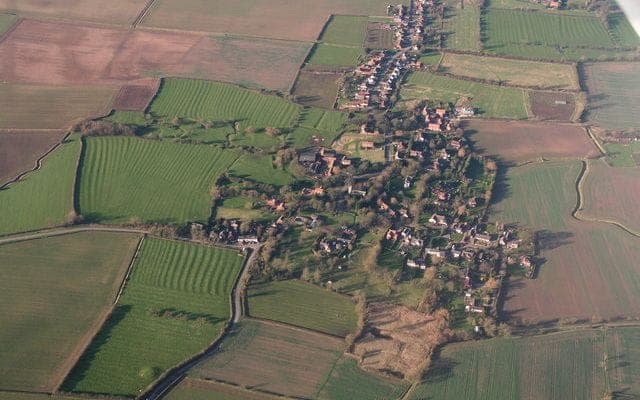
One fact often surprises beginners: many important discoveries are not deep at all. According to the source, which refers to the United Kingdom, centuries of farming, ploughing and natural soil movement mean that coins and artefacts are often found within the first 15-30 cm of soil. It is not unusual for valuable Roman coins, medieval artefacts or even gold jewellery to turn up just below the surface. This is a useful reminder that, while such findings should be applied to other contexts with due caution, the pursuit of maximum depth should be kept in perspective.
In practice, rather than chasing a number, it is better to focus on what you can control: choosing the right coil for the place, learning how your machine behaves in the ground, and covering the soil methodically with slow, overlapping sweeps. The depth stated or shown in a video is a reference figure under ideal conditions, not a guarantee valid in every field. Knowing the physical limits of detection allows realistic expectations and gives the right value to signals, even when they are weak.
ADV
The AI assistant for metal detecting
Custom programs, restricted-area checks, ground recognition and much more.Try it free →Get the app