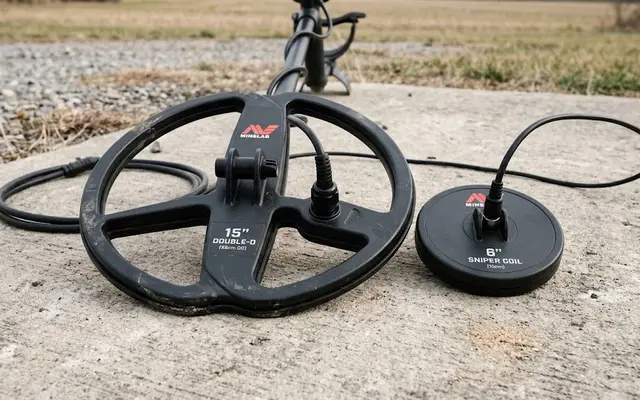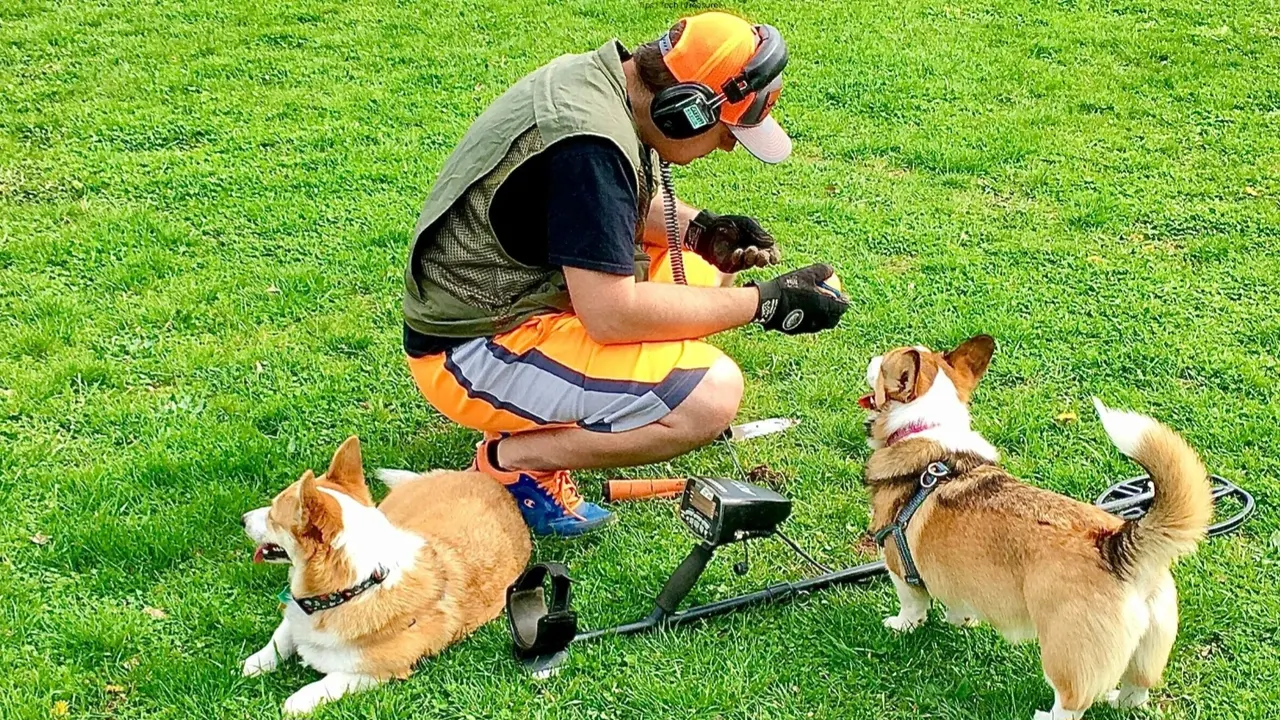
Anyone approaching metal detecting faces a huge range of machines and accessories, and the temptation is to start with the most complete model. The US blog Metal Detecting Life, in its beginner's guide, argues instead that very little is needed to get started: a suitable machine, a few tools and the desire to explore. It is worth reasoning in an orderly way along these lines, because the first steps greatly affect how much pleasure you get from continuing.
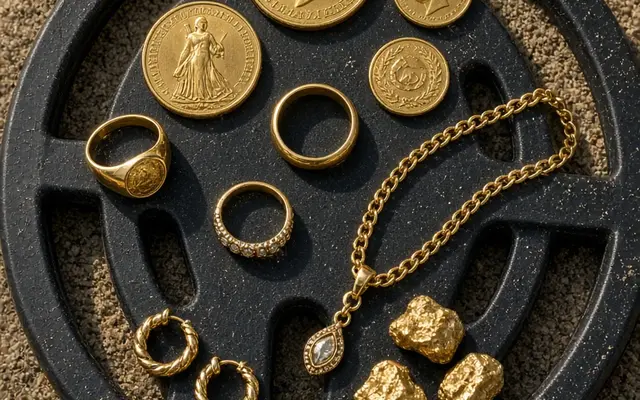
The first point is why this hobby attracts so many people. According to the blog's author, it is accessible to those starting from scratch, provided they have the right tools and a minimum of guidance. It does not require a long learning curve like other activities, and it takes you outdoors: parks, beaches, woods and even historic sites are cited as possible search grounds. On top of this comes the thrill of discovery, which for the author remains rewarding regardless of the value of what you find, whether a lost coin, an relic from the past or a simple bottle cap.
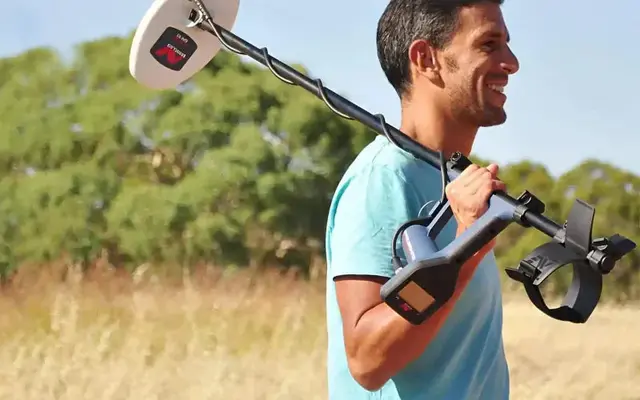
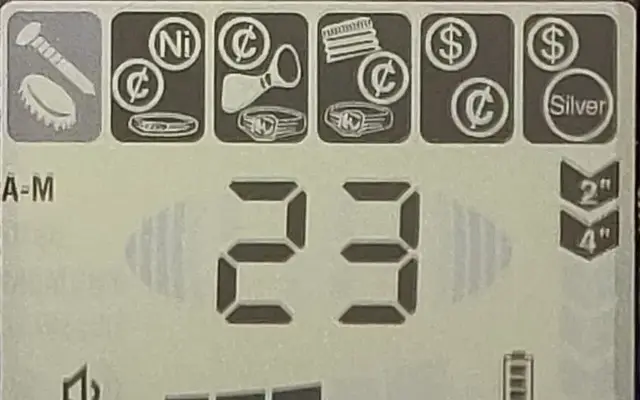
To choose a first machine, the guide suggests three criteria. The first is weight: a heavy device tires you during long sessions, and this matters especially for children and for those with little experience. The second is the simplicity of the controls, because a clear interface helps you get familiar with the settings and signals without becoming confused. The third is price: it is better to choose a detector that does not weigh too heavily on your wallet, since many budget models offer more than enough performance for beginners.
As an example of an affordable option, the author cites the Minelab Vanquish 340, which at the time of writing was priced under 200 dollars. He then recounts his own experience: his first metal detector was a Tesoro Silver uMax, now discontinued, without sophisticated features and bought for about 200 dollars. The message is that entry-level equipment does not need to be complicated to be satisfying, and that advanced features, such as finer discrimination or a more precise ground balance adjustment, can come later, once you already know what you are looking for.
As for accessories, the guide lists four basic items. First of all, you need a digging tool, such as a sturdy trowel or a small spade, to recover finds. Then there is the pinpointer, a small handheld detector that helps you locate the exact spot of the target, reducing the size of the hole and the time spent digging through the soil. You also need a pouch to keep your finds and headphones, which according to the author improve the performance of many detectors and allow you to hear even weak or deep signals.
The blogger points out that the equipment available on the market is practically endless and that it can be discouraging, but he argues that five essential tools are enough to operate as a real detectorist. In the part of the text available to us, four are described, and the overall picture is clear: a machine, a digging tool, a pinpointer, a pouch and headphones cover the needs of a beginner. The rest is added with experience.
Finally, there is the question of where to search. The author notes that there is no need to go far from home: his first test ground was the garden in front of his house, where he found a bottle cap. It seems a modest debut, but it makes practical sense, because it lets you become familiar with the signals and digging technique in a known place and without pressure. On another occasion he took his machine to an area affected by road works and recovered old coins, a sign that places where the ground is being disturbed can hold surprises.
A common-sense observation, which goes beyond the source, concerns the rules. In Italy, metal detecting is subject to specific regulations, and the advice of a US blog cannot replace checking local legislation and the permits required. Before going out with a machine, it is wise to find out what is permitted in your area, including with regard to historic sites and areas of archaeological interest, and to behave respectfully towards the places and the people around you.
In short, the lesson from this guide is that getting started does not require large investments. A light, easy-to-use machine, four well-chosen accessories and a place to practise are enough to begin learning. The rest, from choosing more advanced models to searching more challenging sites, will come with experience and with a better understanding of your own preferences.
The author finally compares metal detecting to other pastimes such as golf and fishing, stressing that it is an activity with modest costs that suits the whole family. It should be noted that the blog declares that it takes part in affiliate programmes and earns a commission on purchases made through its links, with no effect on the price paid by the reader. This is a useful caveat to keep in mind when reading buying advice, here as on any other site.