Anyone who has practised metal detecting for a while knows the feeling: one day the detector seems to come alive, the signals are crisp, targets abound, and even fields already searched turn up finds. A few weeks later you return to the same field, with the same machine and the same settings, and hardly hear a signal worth noting. It is neither luck nor a fault. The difference is the ground.
According to the guide published by LP Metal Detecting, mineralisation is the factor nearly every detectorist knows about, but it is not the only one. Moisture, temperature, agricultural work and even the amount of air in the soil all affect the signals the detector receives. Understanding these elements will not make finds appear out of nowhere, but it helps you choose the best days and explains why performance changes over the course of the year.
One of the most noticeable changes comes after prolonged rain. Wet soil conducts electricity better than dry soil, which can improve the way the electromagnetic signal travels between the coil (the search head) and the buried metal object. This is why many experienced detectorists look forward eagerly to the first rains after a long drought.
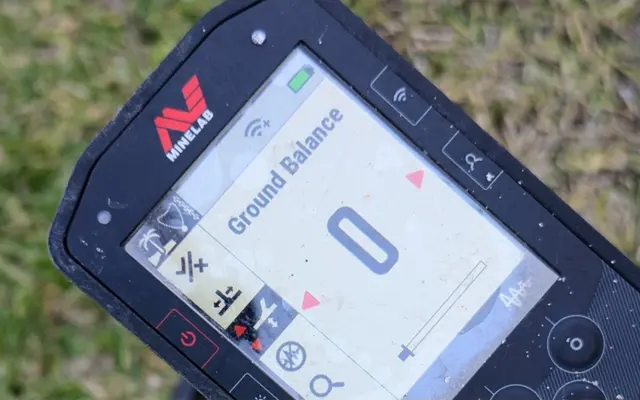
There is a catch, however. Waterlogged fields can produce unstable ground conditions, especially when the soil contains a lot of conductive minerals or salts. In these cases the positive effect of moisture turns into noise and a less reliable response, and ground balance and sensitivity need to be adjusted with more care.
At the opposite extreme is ground baked by the summer sun. The source, which speaks from the point of view of British detectorists, notes how difficult dry, compacted soil can become: the targets have not moved, they are simply harder for the machine to “see”. Many people notice that fields that seemed unproductive in July become much more generous when the autumn rains arrive. The practical lesson is not to judge a search permission on the basis of a single outing in unfavourable conditions, but to record the ground conditions alongside your results.
Summer also requires attention to yourself, not just the machine. When high temperatures are forecast, the guide recommends going out early in the morning: you avoid the hottest hours, and the ground may retain some of the night's moisture, improving conditions before the sun dries the surface. Walking for hours across fields leads people to underestimate their need for water, so it is wise to bring more than you think you will need and drink regularly, even when you are not thirsty. An insulated bottle keeps the drink cool.
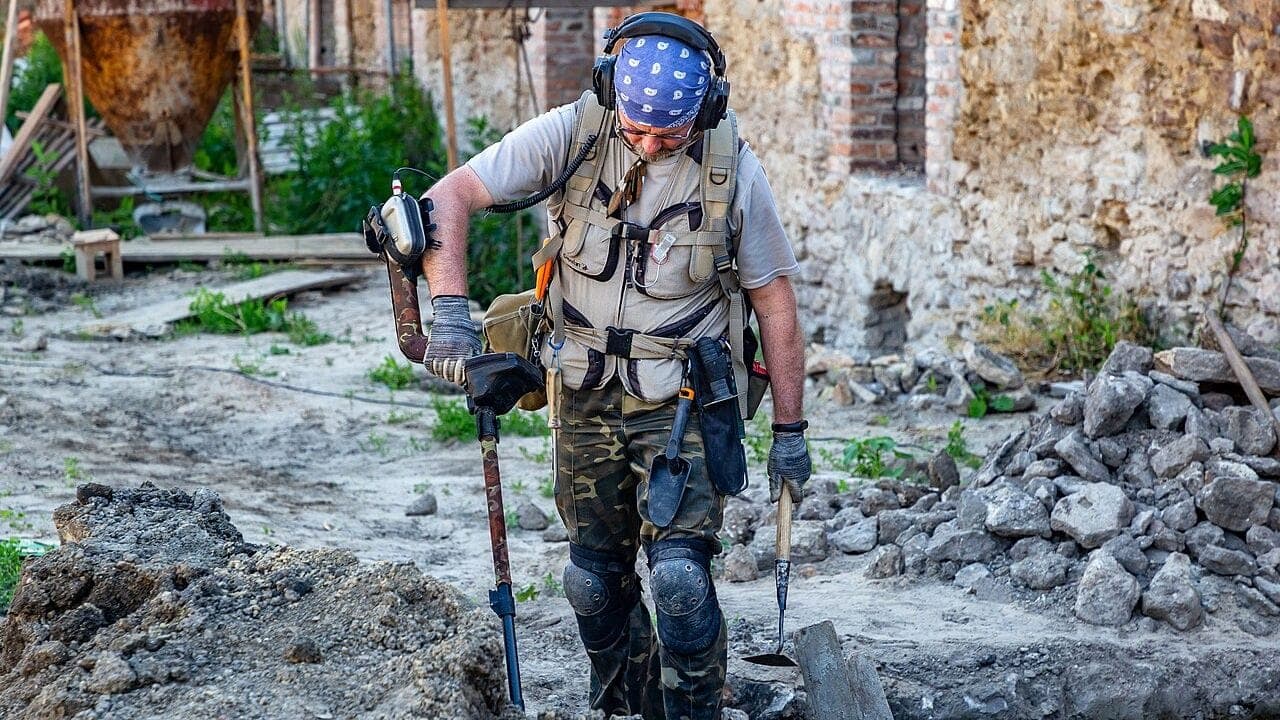
For sun protection, the advice is simple: a high-protection sunscreen applied before setting out and reapplied during the day, a wide-brimmed hat or cap to shade the face and neck, and light, long-sleeved clothing. It is also worth choosing your equipment carefully, avoiding unnecessary accessories that weigh you down on long walks across large permissions. Whenever possible, rest in the shade to let your body temperature drop. If dizziness, headaches or unusual tiredness appear, it is time to stop: the field will still be there another day.
The detector also suffers in the heat. It is designed to work outdoors, but prolonged exposure to intense sun can cause the control unit and batteries to overheat. During breaks, it is best not to leave it in direct sunlight and to keep it in the shade, to protect the electronics and the battery.
Frost brings another set of problems, both in terms of performance and practicality. The icy layer creates small pockets of ice and air that alter the path of signals through the soil. Even more important, frozen ground is very difficult to dig cleanly: even when the machine locates a good target, recovering it without damaging the field or the tools can become complicated. For those who respect permissions and the land, this is a good reason to postpone the outing.
In short, soil is not a neutral medium but a variable that changes with the seasons and the weather. Moderate moisture, soil that is neither saturated nor frozen generally offers the most favourable conditions, while drought and ice make them worse. Observing the weather in the days before, choosing the right time of day and noting what you find in each set of conditions will help you interpret signals better and avoid being discouraged when a day goes badly. The aim, as the guide underlines, is to enjoy the hobby safely and for the long term, coming home healthy as well as with a few finds.