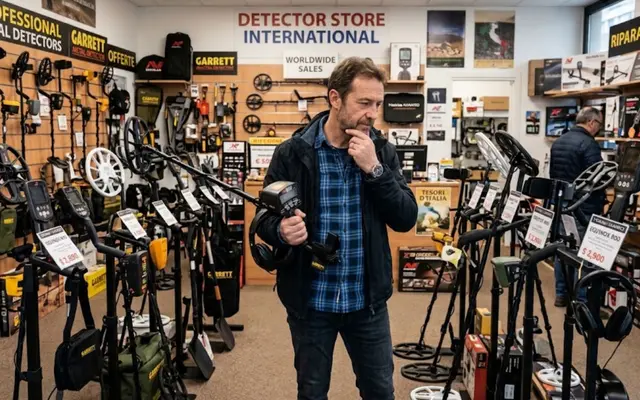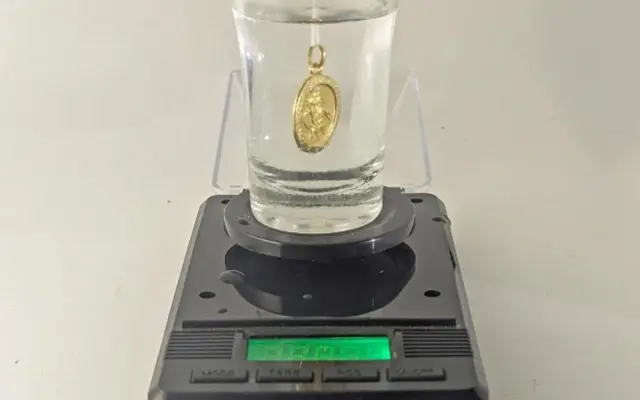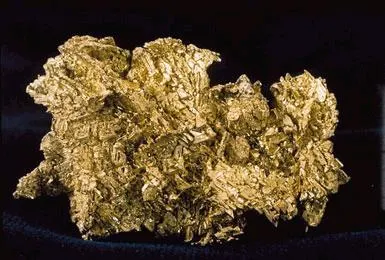
When it comes to gold in the United Kingdom, most enthusiasts immediately think of the finds made by metal detectorists: rings, Victorian jewellery, medieval coins, or Iron Age and Roman artefacts. These are worked gold, made by people and then lost or buried. There is, however, another path, which shares with classic metal detecting only the passion for exploration: the search for natural gold. Natural gold forms in rock and is carried downstream by rivers over thousands of years. Being much heavier than the other materials in the riverbed, it tends to settle where the current slows. According to the source consulted, the particles accumulate in cracks in the bedrock, behind large boulders and at points where the flow of water loses strength. Understanding this dynamic is the basis of any sensible search.
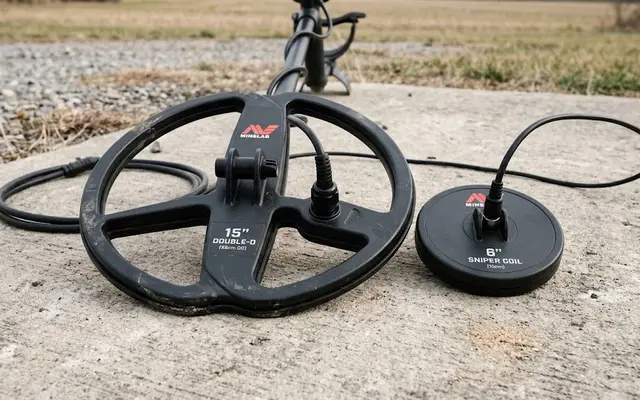
This activity is called gold prospecting. It is usually based on the bateia (the prospector's pan) or on specialised equipment, and it allows the recovery of tiny flakes or, with a great deal of luck, small nuggets. The metal detector is not the main tool here: the method relies on separation by gravity, not on an electromagnetic signal. This is a useful point to clarify for those coming from the world of metal detecting.
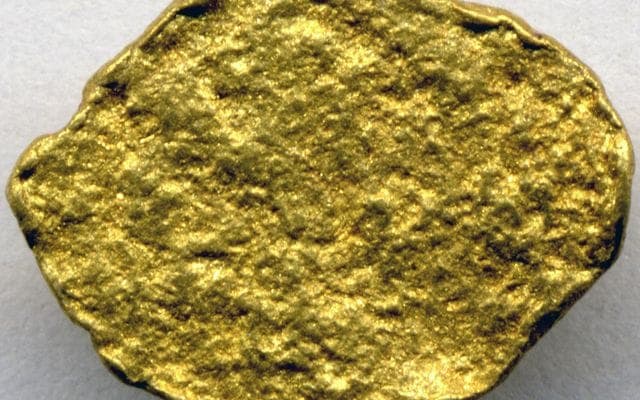
The United Kingdom has a long history of prospecting, particularly in Scotland and Wales, where natural deposits have been known for centuries. Every year enthusiasts recover small amounts of gold from the watercourses of Scotland, Wales, Cornwall and other areas. In most cases, what is called "colour" in English slang, meaning tiny flakes, is found: finding a few is already considered a good result.
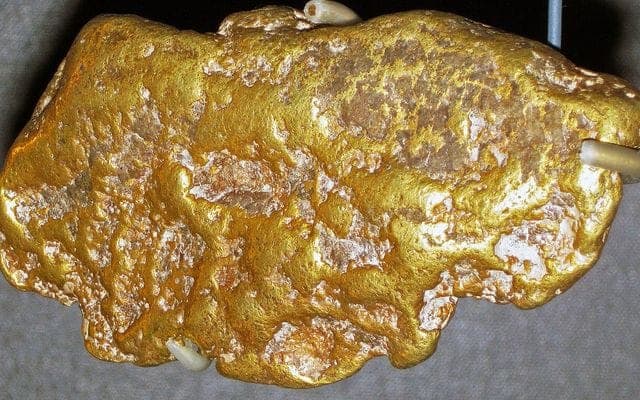
The actual nugget is an exceptional event. The best-known example is the Douglas Nugget, the largest gold nugget ever recorded in Britain: it weighs 85.7 grams (3.02 ounces) and was found in a Scottish river by an experienced prospector after years of searching. Discoveries of this scale are extremely rare, which is precisely why they make the national newspapers. For most people who practise the hobby, the reward is not financial but lies in the thrill of seeing the first flake glint at the bottom of the pan.
A recurring piece of advice concerns preparation. Rather than wandering from one river to another hoping for luck, it is worth researching locations where prospecting has already been carried out. The source cites as a starting point the work of Kieran Lenton, founder of UK Gold Prospector, which collects known areas and guidance for beginners. Lenton himself argues that gold prospecting is one of the few outdoor hobbies where information and patience truly pay off, and that the right equipment makes the difference between a frustrating day and a rewarding one.
As for methods, the simplest is the bateia. With a swirling motion of water and sediment, the lighter materials are washed away and the heavier gold remains at the bottom. It is inexpensive, easy to learn and suitable even for families and beginners. For those with more experience who want to process larger quantities of material, there is the sluice, or sluice box: the flowing water carries away the lighter sediments, while the gold stays trapped behind the transverse bars known as riffles.
For detectorists curious to try something different, gold prospecting is a natural extension of the passion for field searching, but it requires a different approach: you read the river rather than the ground, and you reason about the deposition of heavy materials rather than the discrimination of metals. Those coming from metal detecting nevertheless have a head start, since they already understand the value of patience, of studying locations and of respecting the rules.
On the subject of rules, the source reminds readers that historical finds may only be searched for with the landowner's permission, and the same caution applies to prospecting. Before setting out, it is necessary to check local regulations and access to watercourses. The available text breaks off precisely at this point, urging readers to verify local provisions, so we cannot report further details on specific permits.
In short, natural gold still exists in British rivers, but it must be sought with method, suitable tools and realistic expectations. For an Italian enthusiast of metal detecting, the article offers above all food for thought: the search for gold does not depend only on the detector, and knowing the difference between natural and worked gold is the first step towards choosing the right approach.