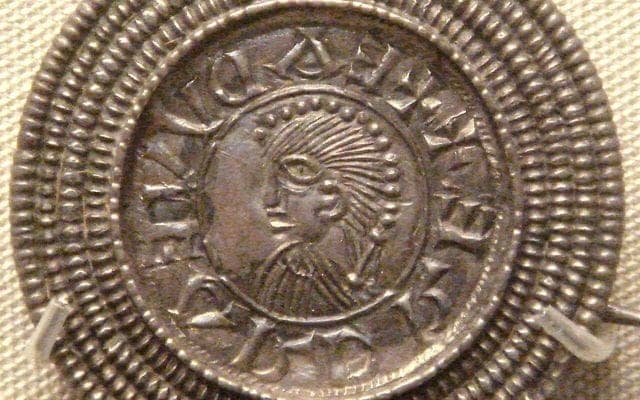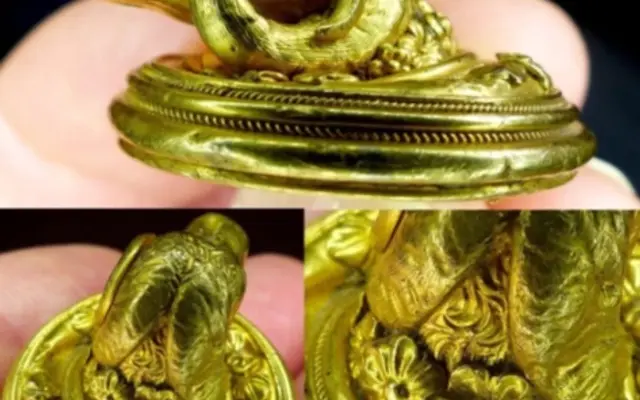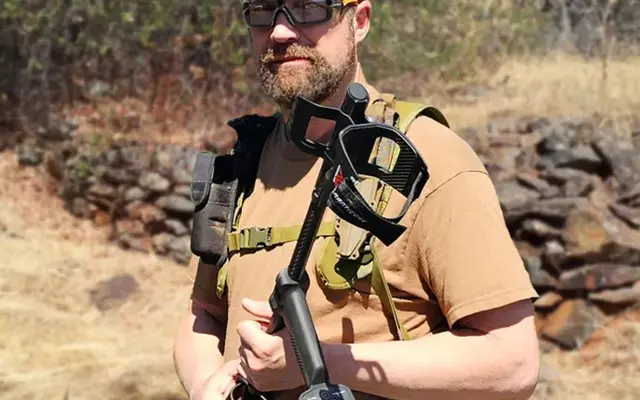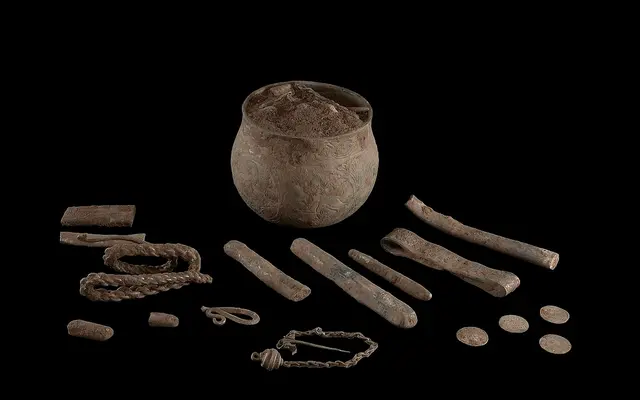
Metal detecting has become a popular way to bring historical artifacts and hidden treasures back to light. According to the blog of the US shop Modern Metal Detectors, enthusiasts and professionals have combed fields, beaches and ancient battlefields, recovering objects that help reconstruct human history. Every signal from the machine may indicate a simple bottle cap or a find of great value. This uncertainty, combined with the chance to contribute to historical knowledge, is what drives treasure hunters around the world.
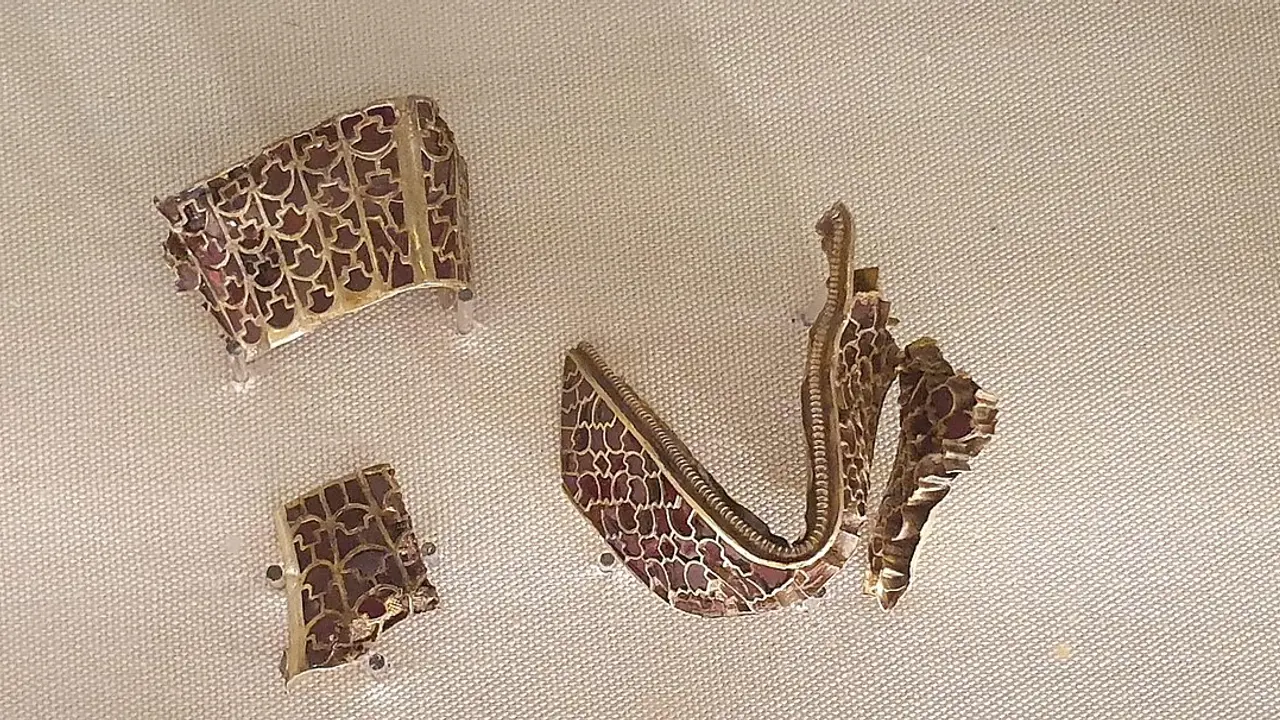
One of the best-known cases dates to July 2009. Terry Herbert, an amateur detectorist, was sweeping a freshly ploughed field near Hammerwich when his device picked up a strong metallic signal. Beneath the ground lay more than 3,500 gold and silver objects from the 7th century. The blog mentions more than 11 pounds of gold and 3 pounds of silver, making it the largest collection of Anglo-Saxon gold and silver jewelry ever discovered. Among the pieces are finely worked sword fittings, helmet parts and Christian crosses, which look like war booty. The find has made it possible to learn much more about warfare and the craftsmanship of the Anglo-Saxons.
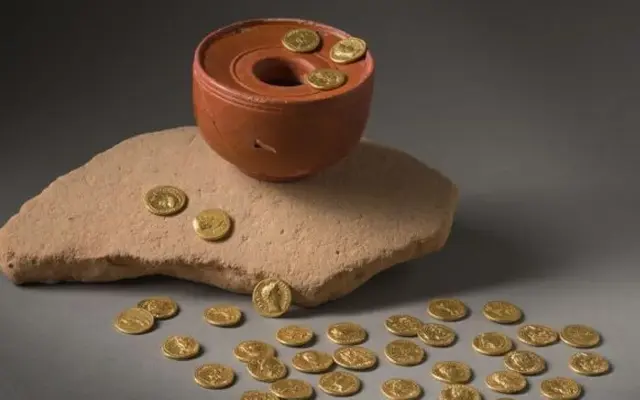
Another episode involves Eric Lawes, who in November 1992 helped a farmer look for a lost hammer in a field near Hoxne. The hammer never turned up, but a hoard of Roman objects was discovered. The Hoxne Hoard comprises 14,865 late Roman coins in gold, silver and bronze, along with about 200 pieces of silverware and gold jewelry. It weighs more than 60 pounds overall and is the largest collection of late Roman gold and silver ever found in Britain. The quality of the objects suggests that a wealthy family hid them during a period of instability, offering clues about how wealth circulated in Roman Britain.
The chapter on natural gold begins in September 1980, when Kevin Hillier, exploring land near Kingower, found a gold mass only 12 inches deep. The nugget, called the “Hand of Faith”, weighs 875 troy ounces (27.21 kilograms) and is still the largest ever found with a metal detector. The discovery revived interest in gold prospecting in the area. It was later sold to the Golden Nugget Casino in Las Vegas, where it is still on display.
In the Sonoran Desert, an amateur prospector using a simple metal detector instead found a nugget of 389.4 troy ounces, about 12.14 kilograms, described as the largest known in North America. Because of its distinctive shape, it was named the “Boot of Cortez”. According to the blog, the case shows that important discoveries can still be made in areas that have been searched for a long time, and the nugget has been shown at various exhibitions.
The source also devotes space to shipwrecks. In 1715 a Spanish fleet laden with treasure sank in a storm off Florida, and the wrecks remained hidden underwater for centuries. In 2015 treasure hunters recovered gold coins, rings and other objects from the fleet, worth more than one million dollars. These finds give historians concrete links to the maritime activities of the colonial era and to Spain's transatlantic efforts.
There is also the Spanish galleon Nuestra Señora de Atocha, which sank in 1622 during a hurricane with an enormous cargo. Treasure hunter Mel Fisher located it in 1985, after years of searching, and recovered gold, silver, emeralds and other objects worth over 450 million dollars. The available text breaks off while describing the historical importance of the find, so no further details can be reported.
It should be noted that the source is a commercial blog and that some data, such as units of measurement and economic values, are those given by the author. The overall picture nonetheless shows how finds, even accidental ones, can enrich historical research. In Italy, as in many other countries, metal detecting is governed by specific regulations, so it is essential to find out about them before going out into the field.