A metal detector often turns up coins and small objects, but every now and then it uncovers something truly out of the ordinary. According to LP Metal Detecting, which has compiled seven unusual discoveries, the list ranges from the purest gold to decidedly macabre remains, including an entire automobile.
The first case is the largest nugget ever found with a metal detector, the "Hand of Faith." It weighed 960 ounces and was discovered in September 1980 by Kevin Hillier near Kingower, Australia. It was later sold to the Golden Nugget Casino in Las Vegas for one million dollars, a sum that, according to the source, would today be worth about £2.2 million.
From space comes the story of Jason Lyons, who in 2011, at age 13, found a meteorite weighing about two pounds during an outing. He did so with an inexpensive metal detector built by his grandfather. Subsequent tests established that the rock had been on the ground for about 10,000 years and was composed of nickel-iron.
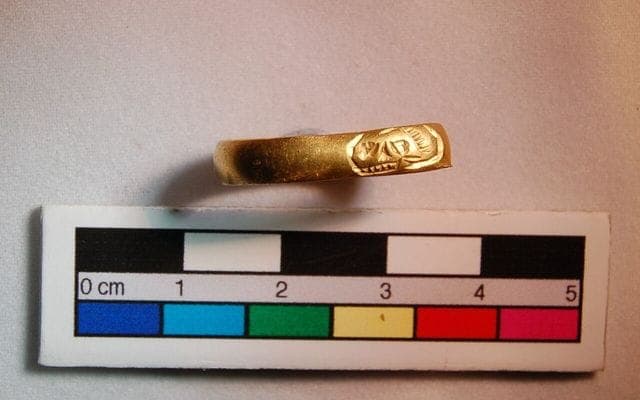
There are also some disturbing finds. A volunteer archaeologist at Little Bighorn uncovered a finger bone still wearing a ring. The source links it to 1876, when the Sioux defeated the troops of Lieutenant Colonel George Custer. Another detectorist, again according to the site, unearthed a prisoner's chain still containing the leg bone of the person who wore it.
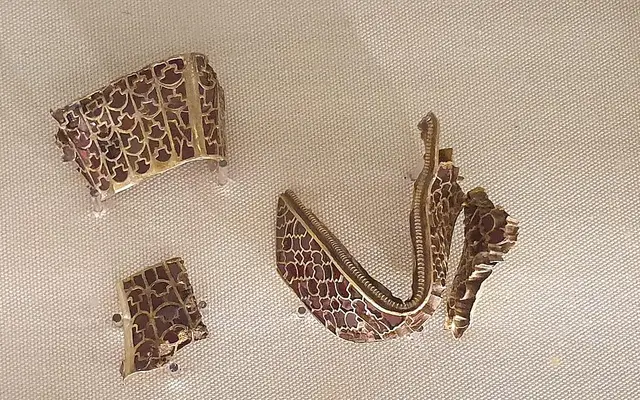
Luckier, at least financially, was the detectorist from Cumbria who found 67 fragments of a 1,800-year-old helmet, one of only three of this type ever discovered in the United Kingdom. Taken to an auction house, the find required more than 200 hours of work to reconstruct. It emerged as a Roman facial mask attached to a bronze skullcap with a griffin-shaped crest. At auction it sold for £2.3 million, more than eight times its initial estimate.
There are also two more curious episodes. One detectorist dug up a set of dentures and was so disturbed that he immediately buried them again and changed search area. A group of enthusiasts, meanwhile, located an intact 1913 Ford Model T. It reportedly had been buried by its owner to preserve it for future generations, and then forgotten.
The top spot by value goes to the salvage company Odyssey Marine Exploration. In 2007 it used metal detectors to locate a huge treasure of gold and silver coins, sunk in 1804 along with a Spanish warship off Portugal. The cargo was valued at 500 million dollars, about 480 million pounds in today's money according to the source. Odyssey did not keep it for long: the Spanish government won the legal battle and reclaimed it.
This is a popular overview that reports the facts in summary form, without going into the circumstances of each discovery. Some details, such as dates and values, should therefore be taken as reported by the source. The underlying message remains: with a good detector, a bit of patience and respect for search rules, every outing can hold an extraordinary surprise.