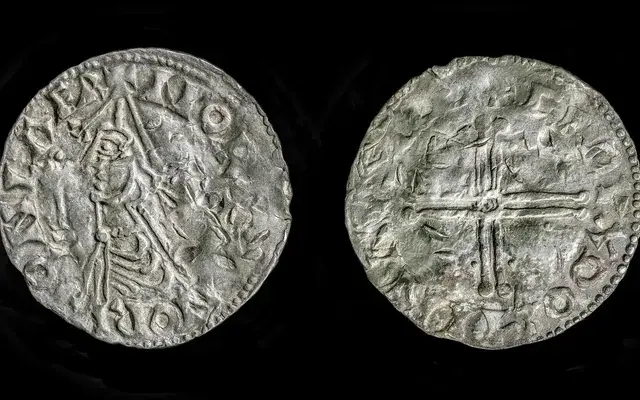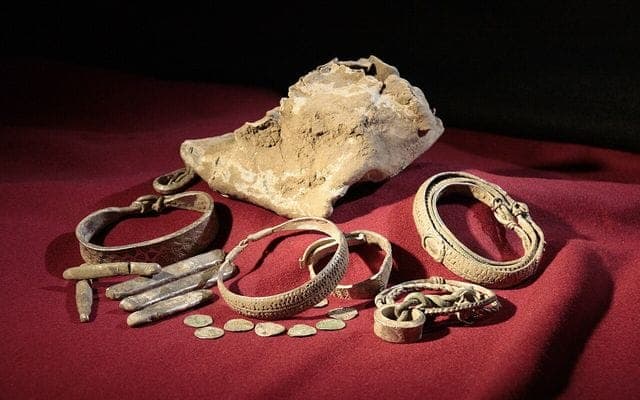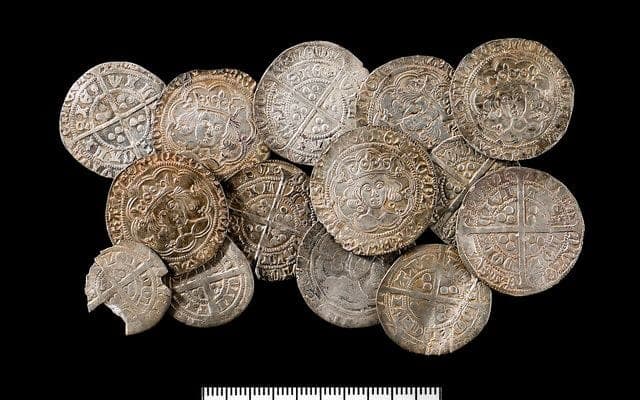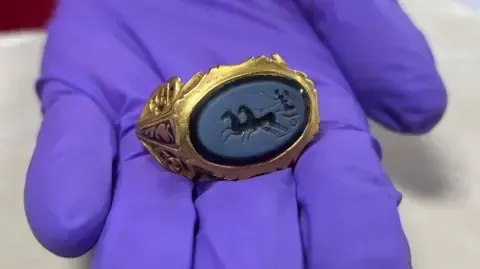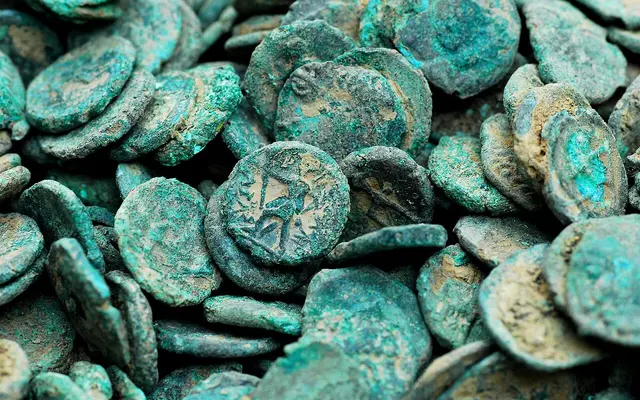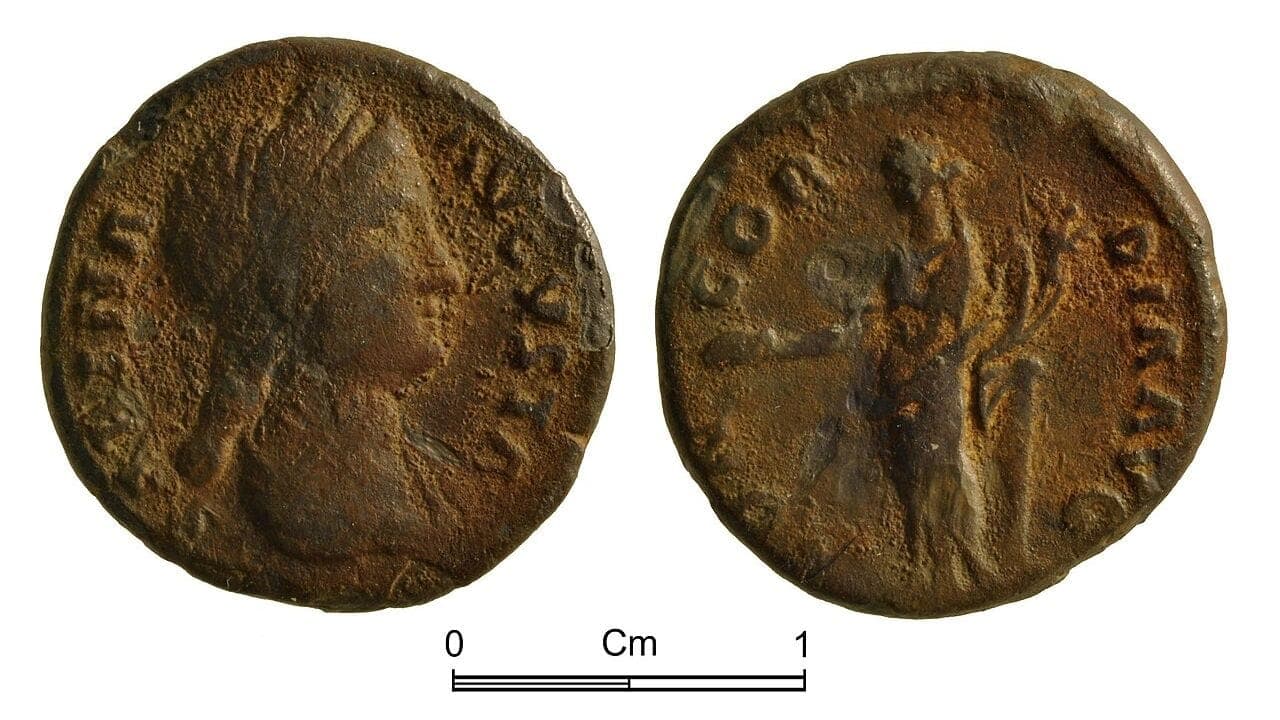
An amateur archaeologist has discovered a hoard of 934 Roman silver denarii in a field in western Germany. According to The Guardian, which cites the local office responsible for protecting archaeological monuments, it is the largest coin find from the era of Emperor Hadrian ever made in Germany.
The protagonist of the discovery is Oliver Riedl. About a year ago, near Wesseling, south of Cologne, he had recovered some Roman silver coins. His metal detector, however, kept signalling even after the first finds. “It was clear there was something bigger down here,” he recounted.
Instead of carrying on alone, Riedl called the authorities. A team of experts arrived and began excavating immediately, uncovering the complex of 934 denarii. This is the kind of behaviour that makes the difference: stopping after the first signals and alerting the right people allowed the context of the find to be documented properly.
The hoard weighs 3.1 kilograms in total and was displayed to the public at the LVR-LandesMuseum in Bonn on the day of its official presentation. Among the coins shown is a specimen dated to 148 BC, when Rome was still a republic.
According to the LVR Office for Archaeological Heritage in the Rhineland, the hoard was probably buried deliberately in the second quarter of the 2nd century AD. Erich Classen, state archaeologist and head of the office, explained that the reason can only be speculated upon, but it is very likely that someone wanted to keep their money safe: at the time, he noted, banks did not exist.
It is unclear why the hoard was never recovered. Classen said the owner may have died before being able to retrieve it, without passing on information about the hiding place to anyone. The office points out that hoards from the Roman period or other distant eras are not rare, but few from the 2nd century reach the size of the Wesseling find.
Estimating the value of the coins at the time of burial is difficult, but a point of comparison comes from legionaries’ pay, which is well documented in written sources. Rahel Otte, research associate at the office, noted that a common soldier earned 300 denarii a year, but around half of that sum was deducted for food and equipment. A legionary would therefore have had to save his entire disposable income for about six years to amass the Wesseling hoard. It remains uncertain who actually accumulated this considerable fortune.
The historical context helps frame the find. The Cologne area was under Roman control from roughly 39 BC to 459 AD. The Romans settled the region under General Marcus Vipsanius Agrippa to guard the empire’s frontier along the Rhine, creating a military outpost that later became Colonia Agrippina, present-day Cologne.
For metal detectorists, the story offers a concrete example of good practice: a persistent signal after the first finds can point to a much larger context, and choosing to pause the search and involve specialists protects both the find and the information it carries.