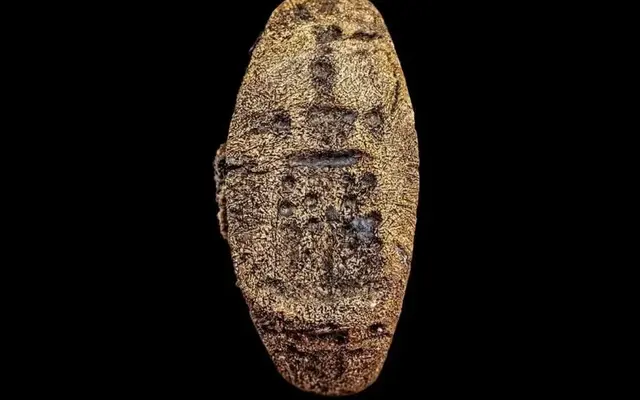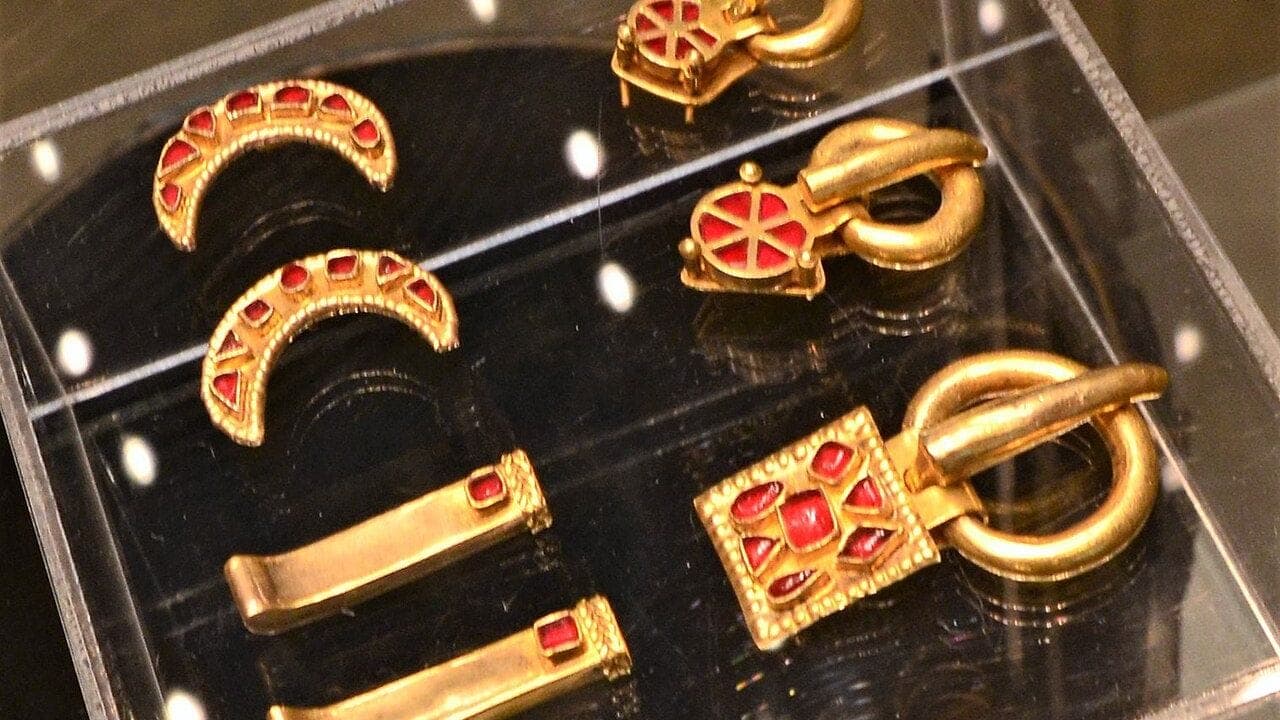
An object weighing just 8.22 grams, detected with a metal detector in the Khmelnytskyi region of Ukraine, has turned out to be a rare artifact from the Migration Period. According to Stilearte, which cites the National Police of Ukraine and sources at the National Museum of the History of Ukraine, specialists have identified it as a precious-metal belt plaque made in the so-called Sösdala style and dating to the second or third part of the 5th century, about 1,500 years ago. The circumstances of the find, however, are far from exemplary. The man who had spotted the plaque in spring 2024 did not hand it over to the authorities and later tried to sell it through an online platform popular with collectors. The search, moreover, reportedly took place without the necessary permits. Authorities managed to block the sale and seized the item.
The case has now reached Ukraine's courts: police have completed their investigation and referred the charges to the court. In the meantime, the artifact has been entrusted to the National Museum of the History of Ukraine, where it is being stored and displayed among the collections open to visitors.
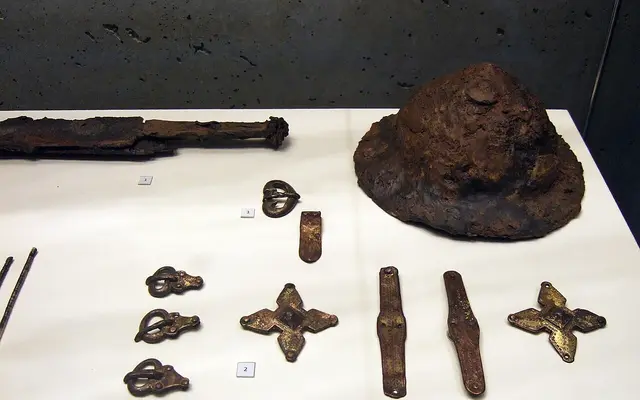
The plaque was an element attached to a belt, serving a function that could be both practical and decorative. Sösdala-style objects, however, are more than simple clothing accessories. The style takes its name from the locality of Sösdala in Sweden and is characterized by refined decoration on metal surfaces, often achieved through engraving, punching, geometric motifs and precious workmanship. It spread mainly across northern, central and eastern Europe between the 5th and 6th centuries.
Examples of this type are considered indicators of high social status. They may have belonged to the elites of Germanic peoples and other groups living in Europe during the Migration Period, an era marked by the presence of the Huns and the transformation of the Roman world.
The Ukrainian find is particularly significant precisely because of its place within this cultural horizon. According to specialists cited by Ukrainian authorities, one of the workshops where objects of this kind were produced may have been located in the territories of present-day western Ukraine. The presence of a Sösdala artifact in the area is therefore no minor detail: it points to the circulation of objects, artistic techniques and cultural models across a Europe crossed, in the 5th century, by intense movements of people and groups.
This is one of the most fascinating aspects of such small objects: a plaque only a few centimeters wide can shed light on relations between very distant communities, on elite tastes and on the techniques of craftsmen.
For metal detectorists, the case offers an important lesson. The value of a find like this is not commercial but historical and archaeological, and depends decisively on its context of discovery and on the possibility of studying it. An unauthorized recovery followed by an online sale risks compromising exactly this information, as well as leading to legal consequences, as the Ukrainian case demonstrates.
In conclusion, the Khmelnytskyi plaque remains a valuable testimony to the end of Antiquity. Thanks to its seizure and subsequent transfer to the museum, the artifact has become a public heritage asset open to study, rather than a commodity destined for the collectors' market.