Anyone carrying a prosthesis or a metal implant often wonders whether they will pass unnoticed through a walk-through metal detector. The short answer is: it depends, and today it matters less than it once did. For metal detecting enthusiasts, the question is also interesting for another reason: it shows clearly how detection machines work. Mass, material and sensitivity make the difference, both at the security gate and in the field.
Two factors determine whether an implant can set off the alarm. The first is metallic mass: a knee prosthesis contains a lot of alloy, while a screw or a small plate contains very little. The second is material. Most modern implants are made of titanium or surgical steel, both fairly weak targets for a detector, whereas cobalt-chrome, used in some prosthetic components, is easier to pick up than titanium. Screws, plates and dental implants rarely trigger the alarm; large joint prostheses sometimes do.
Calibration adds another layer. Checkpoint sensitivity is not the same everywhere, which is why the same artificial knee can set off the alarm in one courthouse and go unnoticed in another building. Among common implants, according to the source, the knee prosthesis is the most likely to trigger the alarm, precisely because of its cobalt-chrome mass. Titanium hip prostheses, by contrast, often pass older walk-through gates, while larger components or those made of cobalt-chrome set off the alarm more often.
At major US airports, traditional walk-through gates have largely been replaced by millimeter-wave scanners, which work in a completely different way. They do not detect metal: they produce an image of the body's surface. An implant under the skin therefore does not generate an alarm, although the machine may still flag an area of the body and lead to a brief manual search. Anyone with a bulky implant can alert the operator before screening. A medical certificate is optional and does not exempt anyone from screening, but it can make the check quicker.
For pacemaker wearers, the old advice to avoid metal detectors altogether is considered largely outdated. Modern devices are well shielded and, according to manufacturers, walking through a security gate at a normal pace is considered safe. Good practice is simple: do not linger inside the gate's arch, do not lean on it, and tell staff that you have a device. For any doubt, the specific guidelines of the device manufacturer and your cardiologist apply, and they take precedence over any general rule.
When a gate sounds, the next step is almost always the wand, the hand-held detector the operator passes over the body. Held directly over the area of the implant, it pinpoints the largest piece of metal, which is precisely its job: resolving gate alarms. Staff are trained to expect alarms from prostheses, so a hit at the hip or knee, accompanied by a consistent explanation, is considered routine.
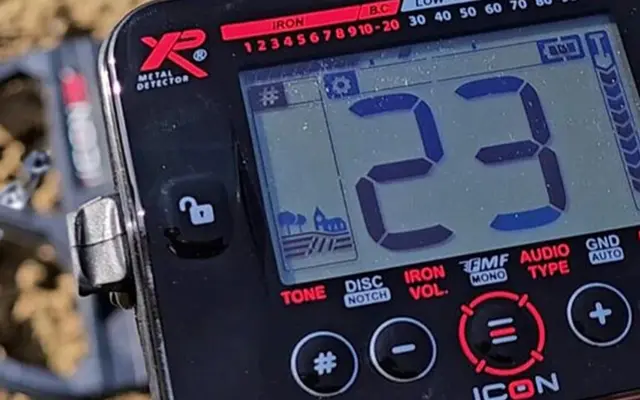
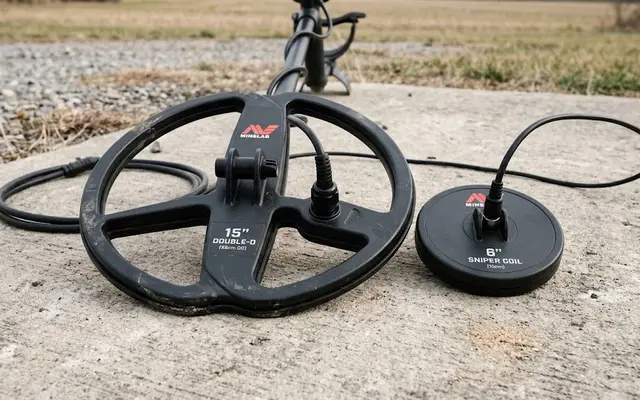
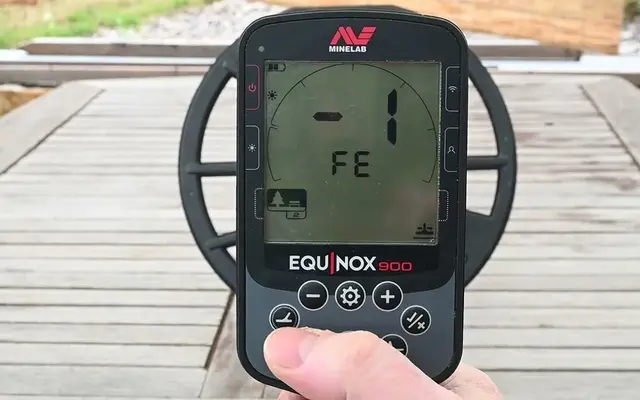
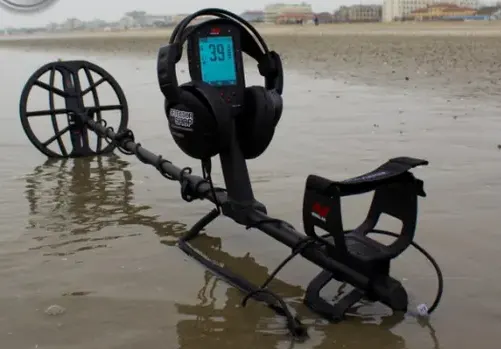
There is also a lesson here that bears directly on those who search with a coil. If a titanium bone screw ended up in the grass, a field metal detector would find it without difficulty: hobby machines operate at far higher sensitivity than security equipment. Getting through a security gate unnoticed therefore does not mean being invisible to detectors. It is a useful reminder that the sensitivity, purpose and calibration of an instrument radically change how it behaves, and that an object that is “weak” in one context can be clearly visible in another.
In short: small implants usually go unnoticed, large joint prostheses can set off the alarm, and body scanners largely sidestep the issue. In any case, for those who work at checkpoints, the presence of an implant is a routine situation. A quick advance notice is enough to avoid inconvenience and make things easier for both sides.