Anyone who has used a modern multi-frequency metal detector knows the problem: on ground full of nails and rusted fragments, the signal is a constant alternation of uncertain responses. Among the settings designed to handle this situation, one of the most important and least understood is iron bias. Many detectorists leave it at the factory default and never touch it. Others change it without really knowing what it does. In both cases, the machine risks being used poorly.
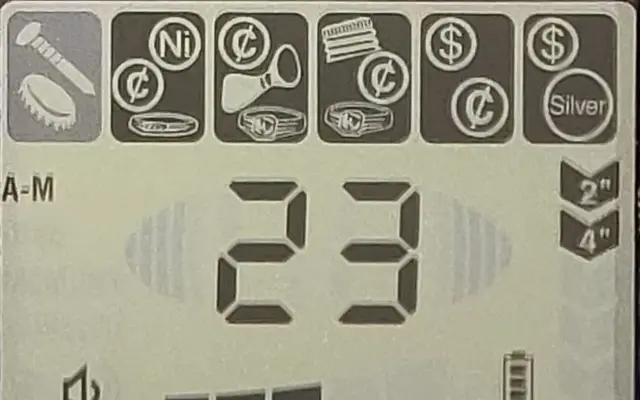
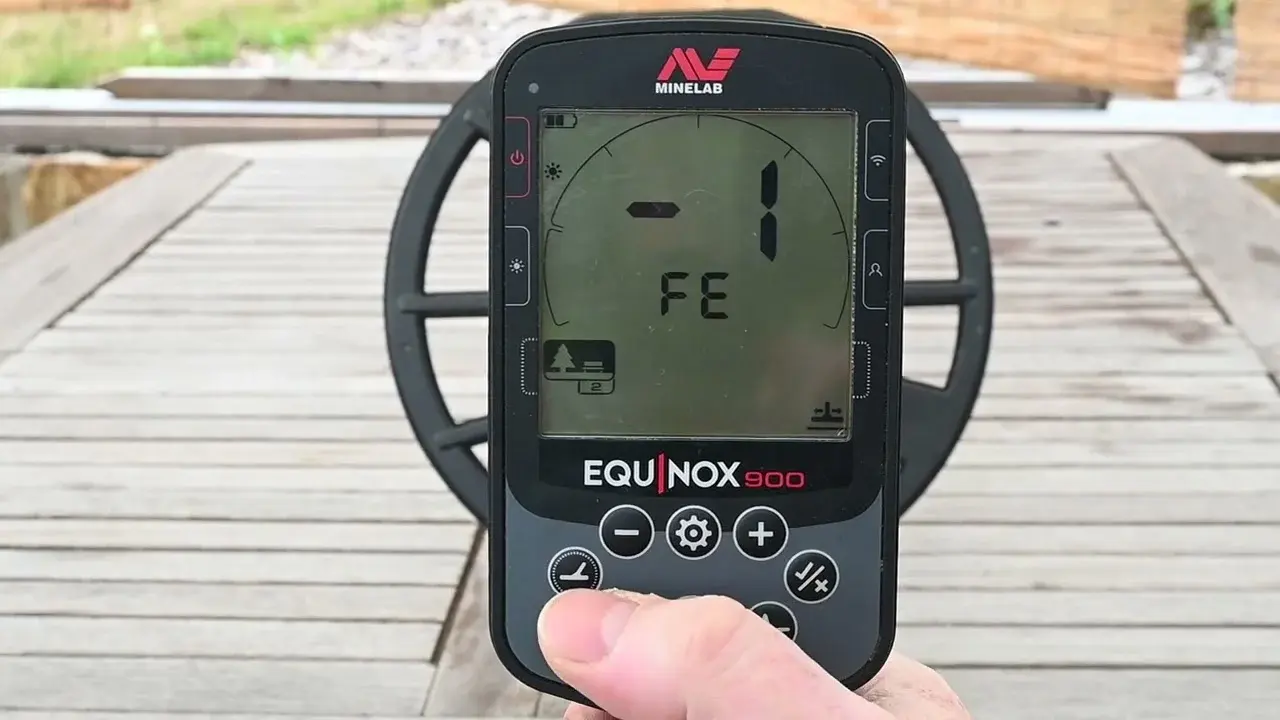
Iron bias is a filtering system found on many multi-frequency detectors. Its job is to help the machine determine whether a target is probably iron or a non-ferrous object, such as a coin, a button, a hammered silver piece or an artifact. It comes into play when the signal is mixed or ambiguous: in that case, the setting influences how the signal is interpreted. In practice, it is a decision-making tool. It steers the coil, and therefore the machine, to report a doubtful signal either as iron or as a possible good target.
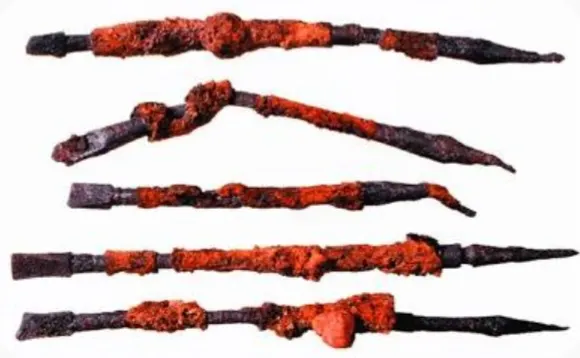
This choice matters most on historic sites. According to the LP Metal Detecting guide, which we draw on here, many archaeological finds emerge precisely in the middle of ferrous contamination. Ancient settlements, Roman occupation areas, medieval villages and pastures often contain large quantities of nails, corroded iron fragments and remains of agricultural activity. Nearby iron can mask a valuable target and make it hard to identify.
This leads to a widespread misconception: raising iron bias does not always improve performance. A high value does effectively reduce false iron signals, which are annoying, but it can also cause borderline targets worth digging to be discarded. The typical example is a hammered coin lying against a nail. The resulting signal is mixed and, with a high setting, the detector may conclude that the target is predominantly ferrous and suppress the non-ferrous component. The find stays in the ground and the searcher never knows.
For this reason, the source notes, many experienced detectorists prefer lower values, especially on ancient sites where desirable targets are mixed with iron. Lowering iron bias lets more information about the target reach the user. The price is hearing more doubtful signals and the occasional false iron reading. Those searching for historic finds generally accept this willingly: it is better to check a few extra targets than to risk missing an important find.
There are, however, contexts where a higher setting makes sense. If the main goal is modern coins rather than historic finds, reducing false iron readings makes the search more efficient. In areas heavily infested with iron, the constant noise can be tiring: a slight increase in iron bias can provide more stability and less fatigue. Beginners can also benefit while they learn to recognize the tones and behavior of the machine when identifying targets. Conversely, when the priority is to hear every possible non-ferrous response, it is better to sacrifice some operational quiet.
Iron bias does not work alone. The source points out that a faster recovery speed can improve target separation in the presence of iron. Excessive sensitivity, on the other hand, can exaggerate iron responses and make the machine unstable. Finally, very aggressive discrimination can add its effects to those of iron bias and hide good targets. Balancing these parameters together usually gives better results than relying on a single setting.
As for method, many experts start from the value recommended by the manufacturer and then make small adjustments based on the conditions of the site. It is best to proceed in small steps, because even a minimal change can produce surprising differences. A practical test consists of passing the coil over a known target placed near a piece of iron, repeating the test with two different values and comparing the responses.
In short, iron bias is a valuable tool for helping the detector classify uncertain signals as iron or non-iron. High values make searching more relaxed but increase the risk of missing finds hidden among iron. For those visiting historic sites, the most prudent choice is generally to keep it moderate and learn to live with a few extra useless digs. What truly makes the setting effective is knowledge of the ground and balance with the other settings.