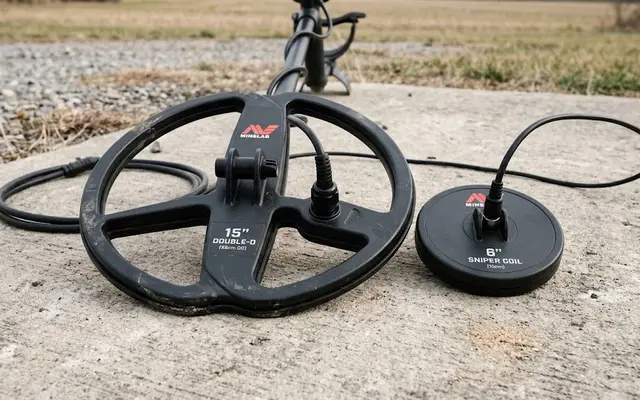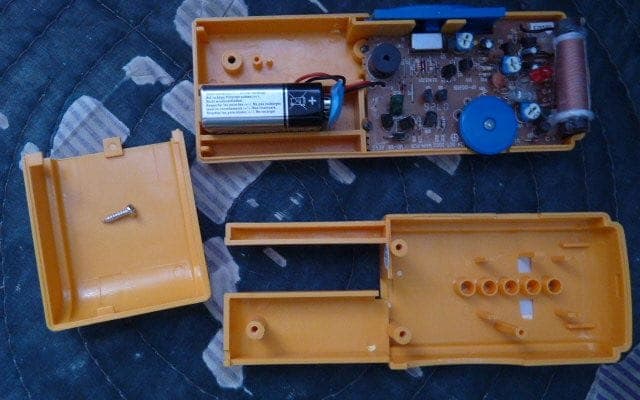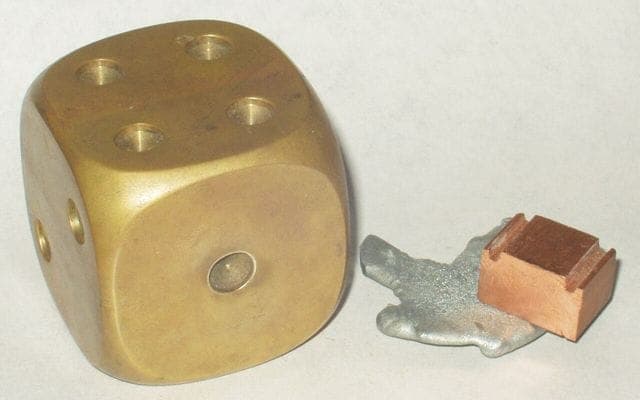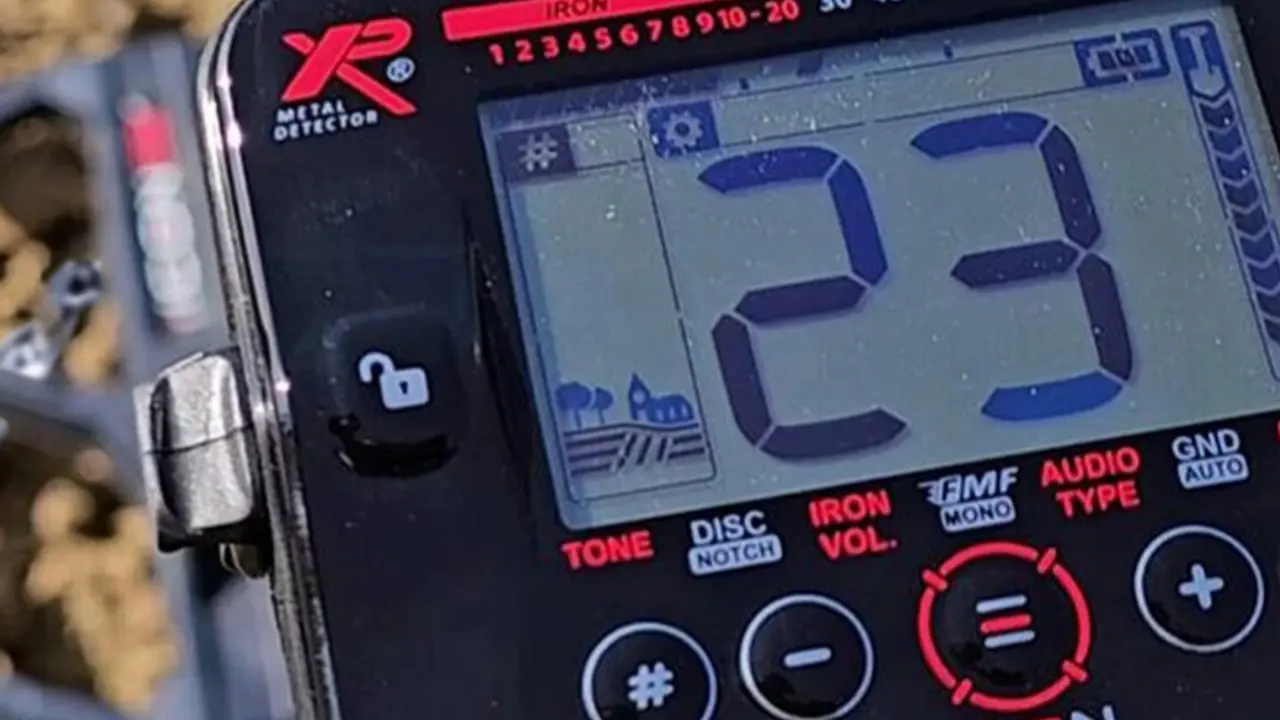
Anyone sweeping a coil over the ground sooner or later asks the question: is stainless steel detected? The short answer, according to the specialist shop and blog Serious Detecting, is: usually yes, but with the weakest signal among common metals. Stainless steel is considered the everyday metal hardest for a machine to see, and whether it beeps in the end depends on three factors: the type of alloy, the size of the object and the sensitivity of the machine. To understand why, it helps to recall what a detector relies on. Machines respond essentially to two properties of the target: electrical conductivity and magnetic permeability. Stainless steel is weak on both fronts. It conducts poorly, so the coil induces weak eddy currents inside it, and in many alloys the magnetic response is low or even absent. The result is a signal that, as the source puts it, “whispers where other metals shout.” The alloy makes a concrete difference. Grades 304 and 316, the typical ones for jewelry and cookware, are non-magnetic. The 430 grade and knife steels, on the other hand, are magnetic. This explains why not all stainless steel behaves the same: a magnetic-grade object gives the machine something extra to latch onto, while a thin piece of non-magnetic austenitic steel puts the detector at a disadvantage. Size matters as much as the alloy. A large object, such as a knife or a pot, is located without much trouble. A small, thin piece in 316, for example a post earring or a watch clasp, can produce a signal so weak that it escapes even instruments set to low sensitivity. With reduced settings, very small pieces of austenitic stainless steel can therefore be missed altogether. A useful observation concerns security metal detectors, walk-through gates and handheld wands. These devices are calibrated to flag metal of a size comparable to a weapon: a stainless steel knife or multitool sets off the alarm. Small stainless jewelry and medical devices often pass without issue, and this is the same reason why surgical steel implants frequently do not trigger airport detectors. These machines work on different logic from search detectors, but the example clearly illustrates the principle of the sensitivity threshold. And in the field? Here stainless steel behaves somewhat oddly. It often returns low, unstable values on the Target ID, with numbers jumping around as happens with foil or iron. The source notes that, luckily for the searcher, the truly interesting targets, that is silver, copper and gold, give stronger and cleaner responses than stainless steel. This means a low, broken signal should not automatically be discarded, but as a rule it does not sound like the “full sound” of a coin in good condition. The sensitivity question leads to a consideration about equipment. According to Serious Detecting, models with adjustable sensitivity and multi-frequency operation handle low-conductivity targets much better than single-frequency entry-level machines. It should be said that this is advice from a retailer and should be read with a critical eye, but the technical principle is consistent: the more a machine can work across a wide range of conditions, the better it picks up weak signals. Those searching for jewelry on the beach deserve a separate tip. It is not advisable to ignore weak signals altogether: stainless steel is very common in jewelry, but titanium and small gold items also give modest responses. Discarding every weak signal in advance risks leaving a thin ring or a fine chain in the sand. A pinpointer and a sand scoop make checking quick, avoiding wasted time on long digs for doubtful signals. In short, stainless steel sets off a metal detector when the piece is large enough or the machine sensitive enough. Bulky objects are found reliably; small, thin pieces in non-magnetic alloys such as 304 and 316 can go unnoticed at low settings. For the detectorist, the practical lesson is twofold: learn how the target behaves on the display, with its low and jumpy values, and adjust sensitivity and checking method according to what you are looking for, without being guided only by the number that appears on the screen.
This article is based on a single source and reports the general indications it contains: precise behavior varies from machine to machine, so the best way to become familiar with stainless steel's response remains to test your own coil on known samples, under controlled conditions and with different sensitivity settings.