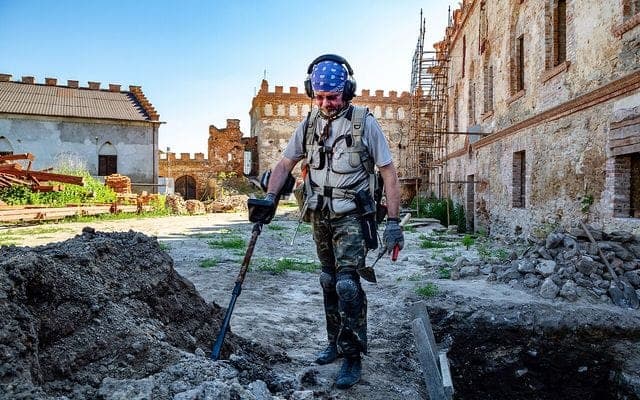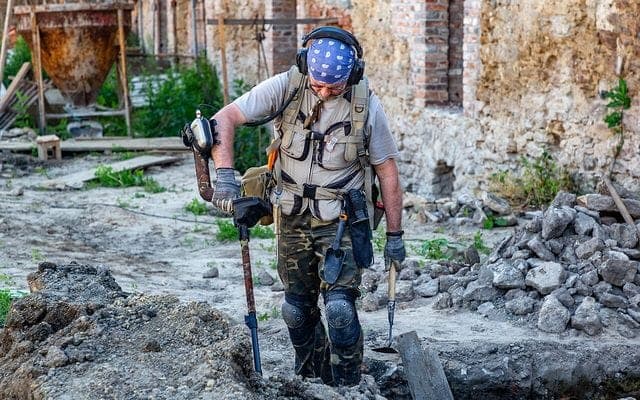
Anyone who practices metal detecting knows the scene well: the coin comes out of the ground covered in soil, its outline barely legible, and the urge to clean it right away is natural. The same doubt applies to anyone who inherits a small collection or finds one at a flea market. The question is always the same: is it worth cleaning an ancient coin before selling it? The blog Metal Detecting Life, run by an enthusiast with years of experience in coin collecting and selling, answers without beating around the bush: almost always no.
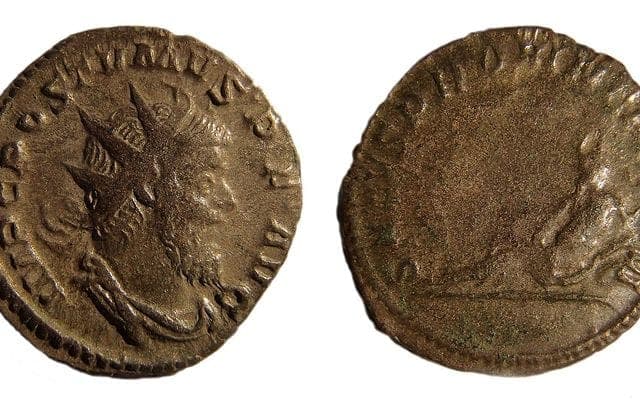
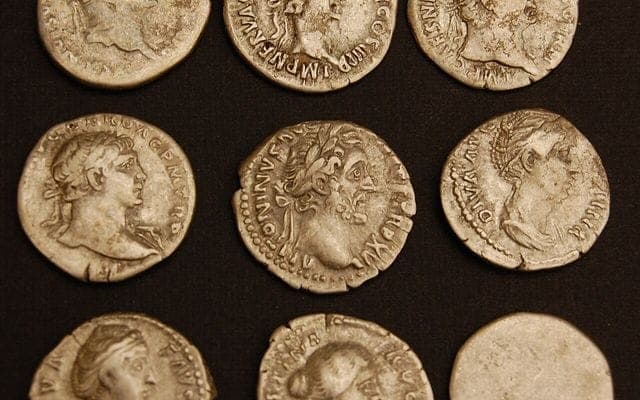
The main reason is patina, that is, the natural oxidation that forms on the surface over time. It is not dirt to be removed but a trace of the piece's age and one of the elements that attest to its authenticity. If it is removed, the coin looks unnatural and may arouse the buyer's suspicion. Collectors and professional dealers, the author notes, generally prefer coins in their original, unaltered state. A wrong cleaning, therefore, does not merely leave a mark: it can significantly reduce the piece's value.
This does not mean every intervention is forbidden. For common coins of little value, the author describes a minimal approach, designed to remove only the dirt hiding the details. You start by rinsing the coin under lukewarm running water to wash away loose soil. If needed, add a drop of neutral dish soap to the water, avoiding any harsh chemical products. For the surface, use a microfiber cloth or a very soft-bristled brush, always gently and without rubbing. Finally, the coin is dried by patting it with a soft cloth, without rubbing.
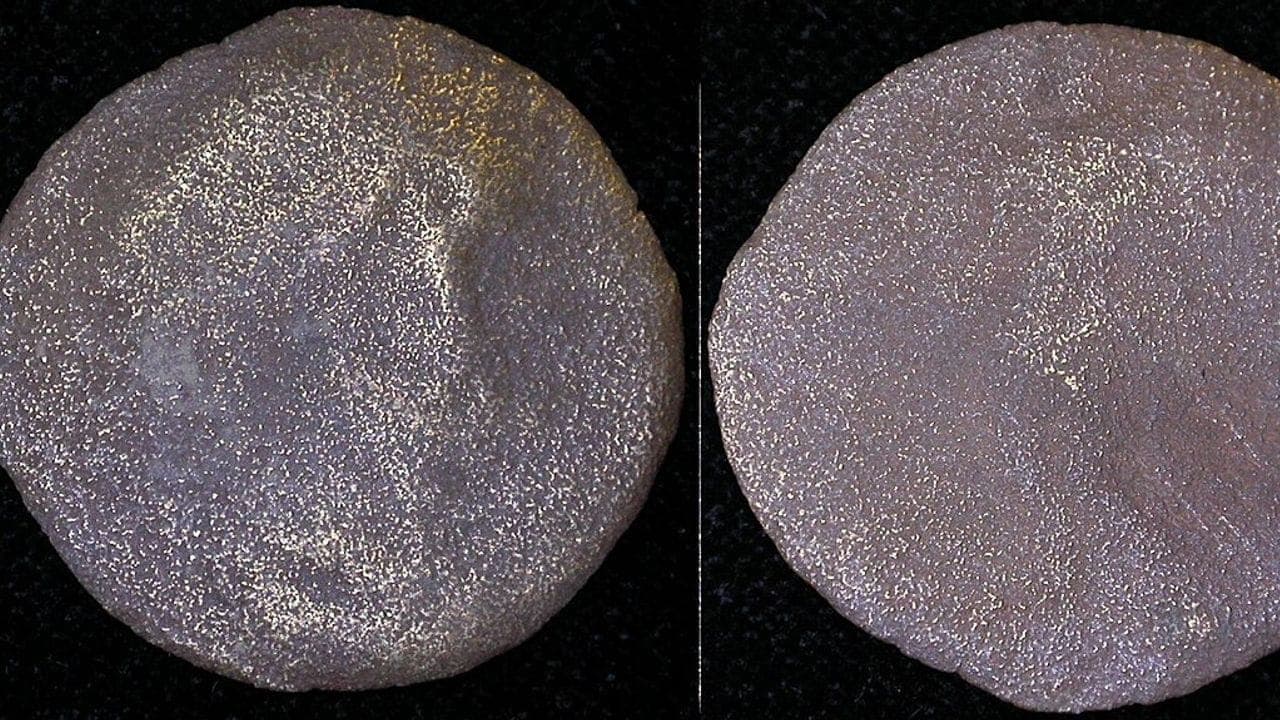
The author demonstrates the method on some coins found during a recent outing: right after digging, they had a layer of encrusted soil over the details. With a brush and a little soap he removed the natural residues, bringing the details back into view while leaving the patina intact. The key point, however, is the limit he sets himself: cleaning only makes sense if the dirt covers elements worth showcasing and if the coin is neither very valuable nor rare. Even these light techniques, he warns, can damage the piece.
For less valuable coins, some collectors who are not afraid of light interventions recommend Andre's Pencils, used with care to recover detail and make the piece presentable again. The same logic applies here: these are tools for coins of modest worth, not for specimens whose value is unknown. When you are not sure what you have in hand, the most cautious choice is to forgo any treatment.
A separate chapter is olive oil, sometimes suggested as a gentle remedy for preserving or refreshing a coin. The source advises against it, as do most collectors and dealers, for three reasons. It leaves a sticky residue that over time attracts dust and dirt, with the risk of further damage. Over time, the natural acids in the oil can react with the metal, causing discoloration or corrosion. Finally, the oil seeps into small crevices and is difficult to remove completely, especially from more elaborate designs.
If the coin really needs a cleaning or conservation treatment, the recommended route is to turn to a professional conservator. These specialists use methods designed to remove harmful substances while preserving the integrity of the piece. This is the sensible solution when a value is at stake that you do not know or do not want to risk.
More useful than any cleaning product is good handling after the find. The source lists a few simple rules. Storing the coin in an acid-free container or in a dedicated flip protects it from handling and environmental agents. Always hold it by the edge, so fingerprints and skin oils do not end up on the surfaces. The ideal place is cool and dry, away from humidity.
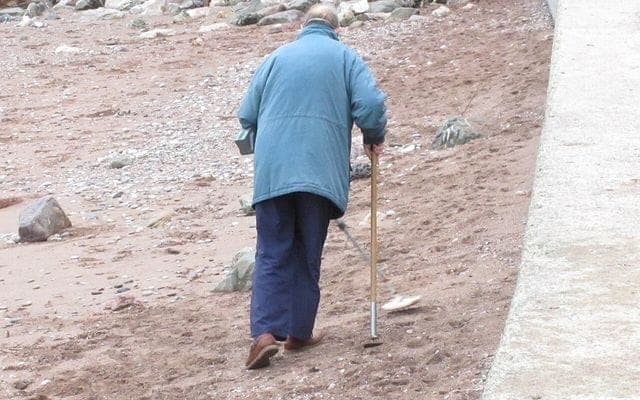
For those searching with a detector, the lesson is almost counterintuitive: the impulse to clean a find immediately is exactly the one to hold back. A freshly dug coin is an artifact in its original condition, and that condition is part of what a buyer or expert will assess. A rinse in lukewarm water to remove loose soil is the most the source considers reasonable in general. Everything else should be decided only after understanding what you have found, and when in doubt, it is best to leave the piece as it is.