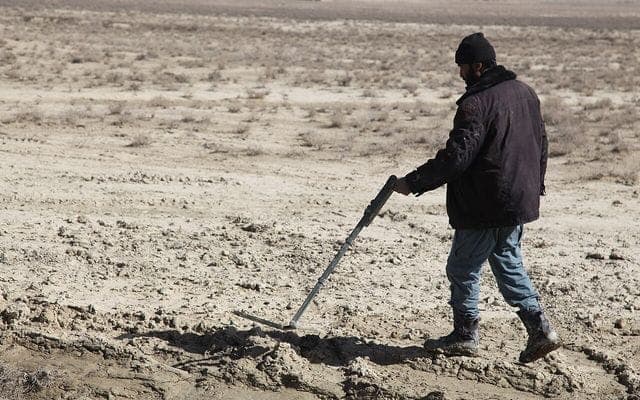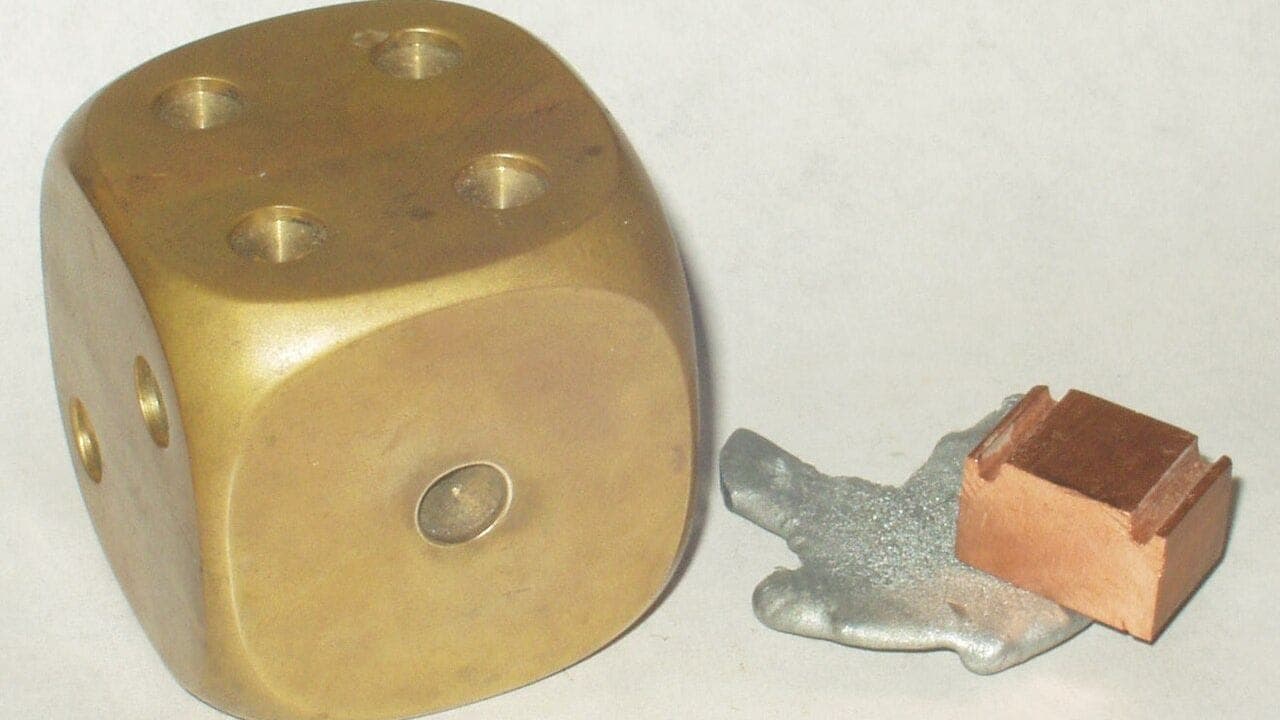
The short answer is yes, every time. Brass is one of the metals detectors pick up most reliably. It is a copper-zinc alloy with good electrical conductivity, and that property alone is enough for hobby metal detectors, security portals and handheld metal detectors (the classic wands) to pick it up. For those searching, the question has two sides: brass is a target not to be missed, but it is also a frequent source of signals to recognize.
The key point to keep in mind is that a detector does not react to magnetism, but to conductivity. This is why the fact that brass is not magnetic does not hide it at all. A search plate or a portal reads the metal's ability to carry current, and brass has enough of it to produce clear, repeatable signals on virtually any machine. Anyone who expects a non-magnetic metal to go unnoticed is confusing two different properties.
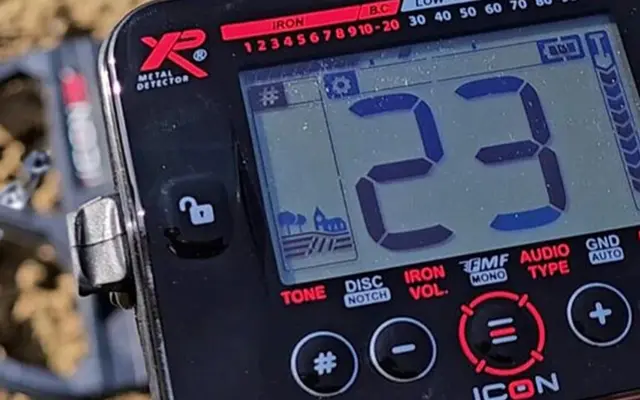
On the Target ID scale, brass sits in a medium-conductive range. It reads higher than foil and small gold, and lower than copper and silver coins. Size also matters: larger brass objects give higher readings than small ones. A single reading therefore cannot identify the metal with certainty. The value should be interpreted together with the probable size of the target and the tone of the signal.
Precisely because it occupies a middle zone, brass overlaps with the ranges where relics and jewelry are found. For this reason most searchers do not eliminate it with discrimination. Excluding it would mean risking the loss of other interesting targets that fall in the same range. Many therefore prefer to dig medium signals and decide afterward, with the object in hand.
Old brass, after all, is history. Flat buttons, harness fittings and bag seals are among the most collectible non-coin finds in the hobby. Those who come across them often do not consider them junk to avoid: they are exactly the kind of find that makes a day of searching worthwhile.
There is also a more practical use, linked to shooting ranges. Firearms enthusiasts use the term "brass in the grass" for spent cartridge cases that landed in the grass and then disappeared from view. With a metal detector, cleanup becomes recovery: the cases are shallow and plentiful, brass scrap has real melt value, and reloadable cases are worth even more. Basic equipment is enough for this work, and a pinpointer makes recovering each individual case from tall grass much faster.
In this case, permission comes first. On private and commercial ranges the brass belongs to the operator, so searching is allowed only after obtaining explicit authorization. The general rule of searching applies: before switching the machine on, check permits and local regulations.
The issue also extends beyond the search field. Brass easily sets off security portals and wands. Keys, lighters, belt buckles and musical instrument parts are everyday causes of alarms. Someone who has spent a day recovering buttons and casings, and then has to pass a checkpoint, may find their pockets full of ideal targets.
Finally, there is a quick check to tell brass from steel-plated objects: the magnet. A magnet does not stick to brass, but it does stick to steel. Be careful, however, not to draw the wrong conclusion: the test serves to identify the material, not to predict whether the detector will see it. Brass is detected regardless, because the machine senses conductivity, not magnetism. The magnet is therefore useful for recognizing what you have just dug up, not for explaining why the signal was there.
In short, brass does not hide: it clearly signals its presence. Whether you are searching for relics, jewelry or simply casings on the lawn of an authorized range, a mid-range metal detector handles it without difficulty. The skill lies in reading the medium signal, deciding whether it is worth digging, and remembering that sometimes the most interesting target of the day is just a small piece of old brass.