Underwater metal detecting: a video on a US technical forum
A user of Tom Dankowski's forum flags videos from a YouTube channel dedicated to underwater searching, but little information is available.
August 27, 2026
ShareLink copied!
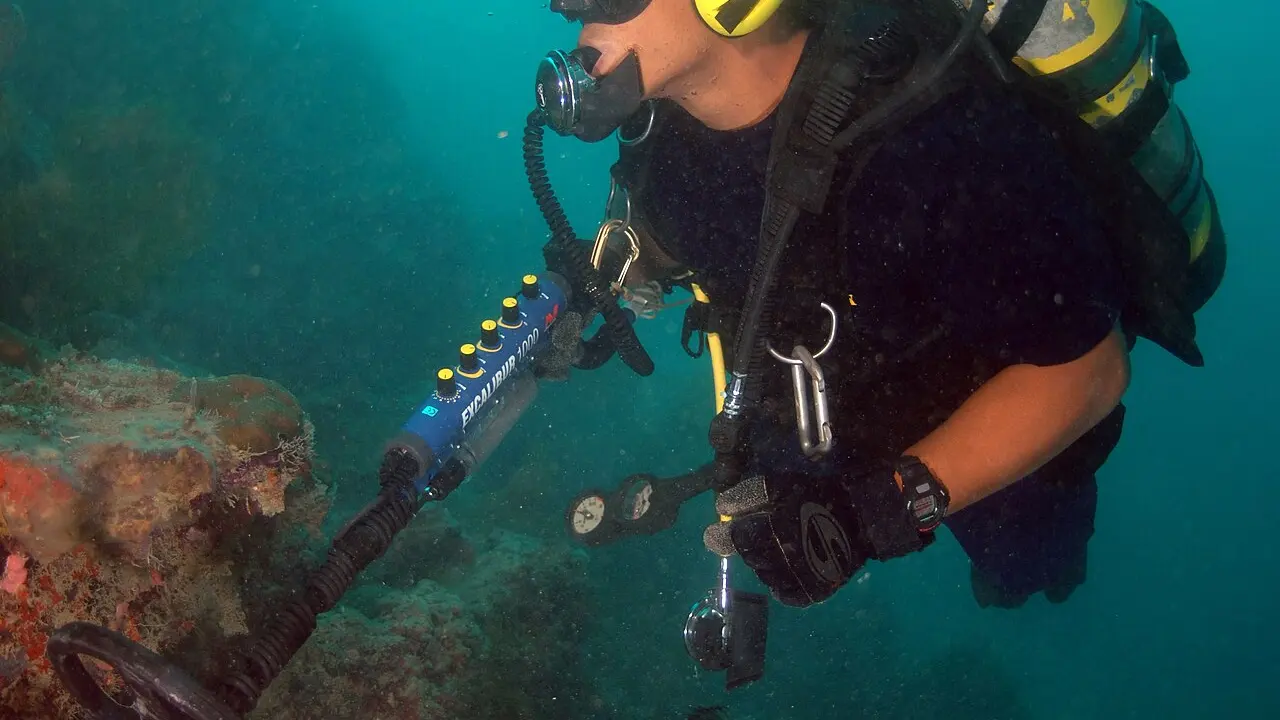
U.S. Navy photo by Mass Communication Specialist 1st Class Eric Lippmann — Public domain, via Wikimedia Commons
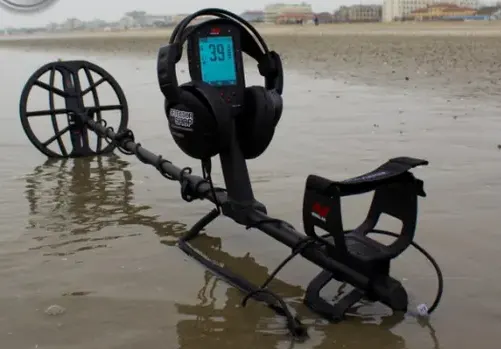
On the Dankowski Detectors technical forum, frequented by enthusiasts and metal detector builders in the United States, a post has appeared linking to a YouTube channel dedicated to underwater searching. The thread title, "Calabash and his Bud go underwater - Boom!", suggests the video shows two enthusiasts searching underwater. The source says nothing more, however: the post contains only a link to the channel's videos.
The message was posted by user Tnsharpshooter on August 27, 2026, at 7:23 p.m. When it was checked, it had no replies but had 12,189 views. This figure points to considerable interest in the topic, although it says nothing about the video's content or about how those who watched it rated it.
The source therefore provides no verifiable details. It is not known which metal detector was used, nor where or under what conditions the search took place. No finds are reported, and the authors offer no impressions. For this reason, it would be wrong to attribute to the people in the video any experiences, results or judgments about the equipment. The story is a viewing pointer, not a report.
Still, the episode offers a chance to look at a topic that interests many readers: what changes when moving from land searching to water searching. These are general considerations from the field, not information drawn from the video.
The first aspect is the machine's waterproofing. Not all metal detectors are waterproof, and those suitable for underwater use must have a coil and electronics designed for that purpose. Before submerging any device, it is advisable to read the manufacturer's specifications, in particular the maximum depth allowed for the coil, shaft and control housing.
The second aspect concerns the ground. In salt water, the mineralization and conductivity of the seabed can seriously disrupt the signal. For this reason, an effective ground balance, manual or automatic, is important when searching the foreshore and at sea. Multi-frequency or pulse technologies are often chosen for these environments, but the choice depends on the model and the intended use.
The third aspect is discrimination. In highly mineralized environments, a high discrimination setting can cause useful targets to be missed, including small ones. Many detectorists therefore use it cautiously and lower the filters, accepting that they will dig up more unwanted targets.
Target recovery is another difference. Underwater, detectorists usually use waterproof pinpointers and suitable digging tools, such as basket scoops. A pinpointer helps locate the object precisely and reduces the time spent digging, especially where waves have stirred up the seabed.
Safety and regulations also matter. Anyone searching at sea or in waterways must assess currents, depth, tides and visibility, and avoid working alone in difficult conditions. In Italy, local rules must also be checked: searching for finds is subject to cultural heritage legislation, and some coastal or river areas may have specific restrictions. Any find of archaeological interest must be reported to the competent authorities.
For those who want to see how underwater work is done, the videos shared on the forum can be a starting point, but they should be watched critically. An online demonstration is no substitute for the user manual or for field experience, and performance depends on the model and the site.
In short, the Dankowski forum thread points to a YouTube channel with 12,189 views and no replies as of the date indicated. Anyone who wants to learn more will have to watch the videos directly, bearing in mind that the source offers no technical data. If the authors post detailed comments or tests, the topic can be revisited with firmer evidence.
ADV
The AI assistant for metal detecting
Custom programs, restricted-area checks, ground recognition and much more.Try it free →Get the app