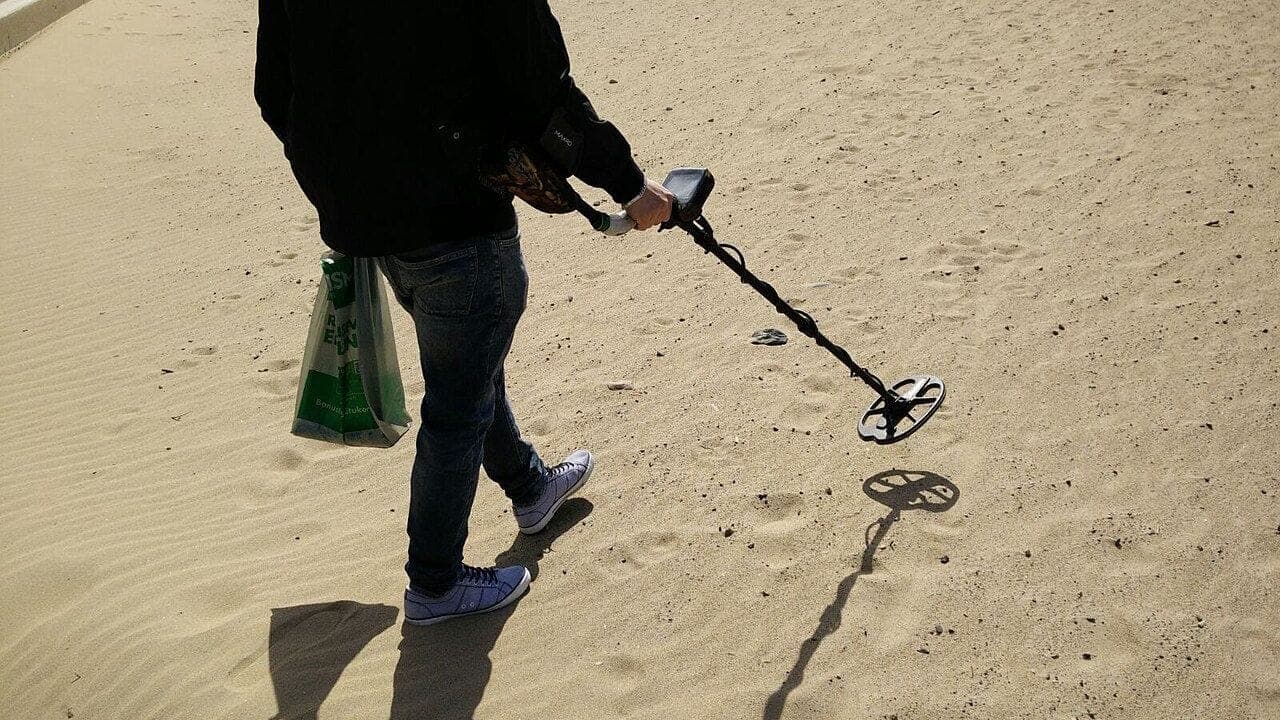
There is a difference among metal detectorists that does not depend on the cost of the machine: preparation. According to the author of the US blog Metal Detecting Life, who says he has spent many hours with the detector in hand, a search day becomes productive thanks to a series of often overlooked tricks. We look at the main ones here, with some further reasoning on how to apply them.
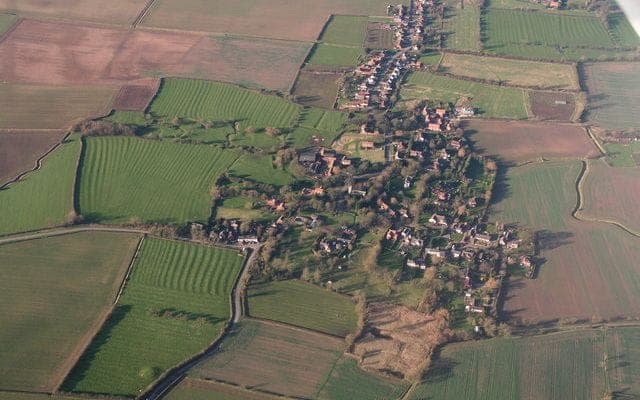
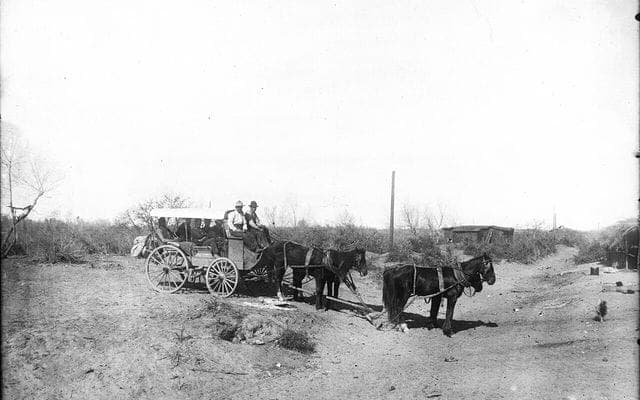
The first point concerns choosing the location, which comes before any adjustment. The author argues that the best finds are not in just any field, but where people gathered decades or even centuries ago. For this reason, before heading out, check old maps, history books and online archives, trying to pinpoint the location of schools, fairgrounds and farmhouses that have since disappeared. An hour spent with the maps, in this logic, is worth more than a morning of random walking over land with no history.
A second suggestion goes against the grain: do not rule out areas full of metal waste a priori. Bottle caps and can pull-tabs are annoying, but they often indicate a heavily frequented area, and where many people passed, the chances that someone lost something valuable increase. The author says he has recovered silver coins and gold rings in spots other detectorists had avoided. The message is that patience is rewarded in these settings.
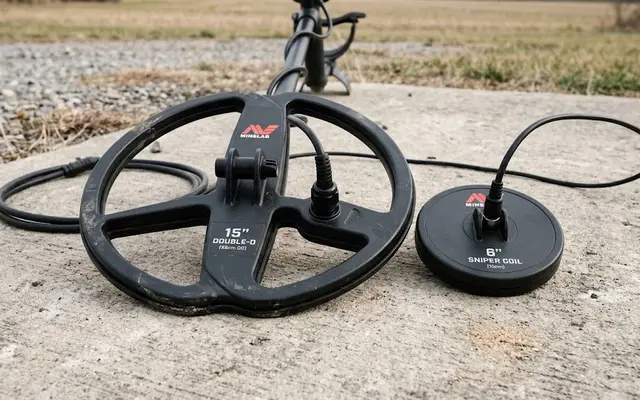
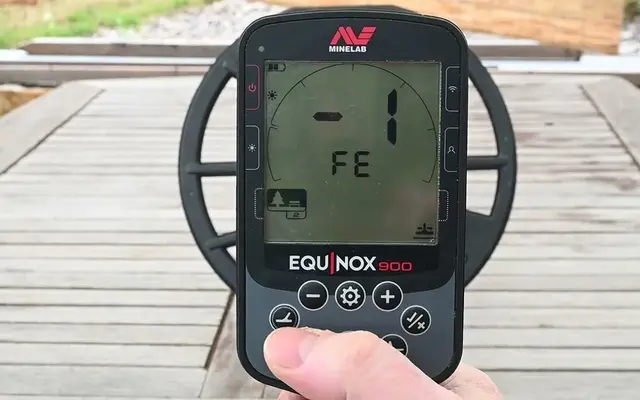
Here the coil comes into play, that is, the search head. The author calls it a secret weapon and keeps several for different terrain. Small coils suit sites littered with a lot of trash, because they separate nearby targets better; larger ones let you cover open spaces more quickly. As an example he cites the so-called «sniper» coils for the Minelab Equinox, designed to isolate valuable targets in very dirty areas. In short, changing coil according to the site is one of the simplest ways to dig less junk.
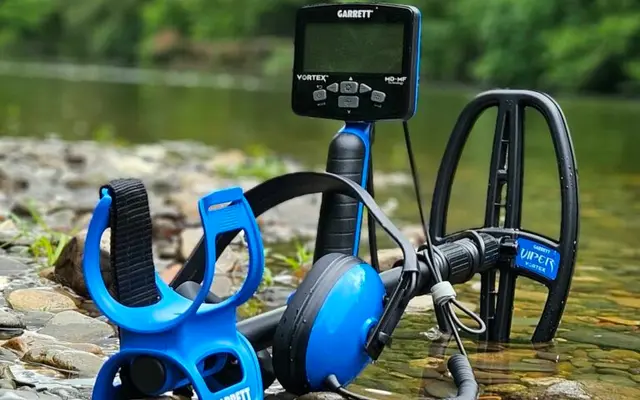
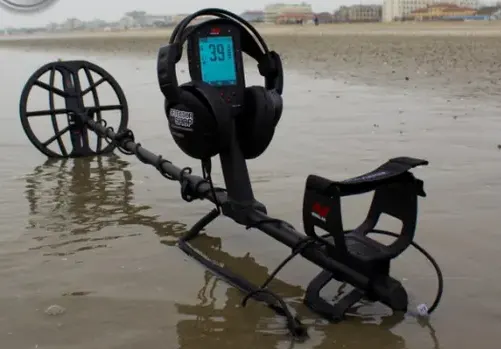
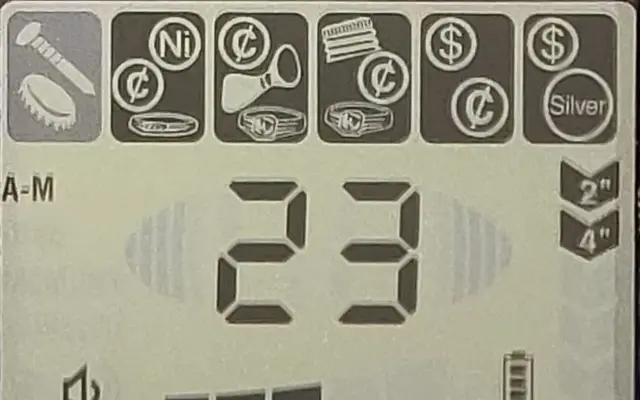
Equally important is knowing the tool well. The metal detector, the author reminds us, is not simply a machine that emits beeps, but an instrument with settings and functions designed to help the user. It is worth taking the time to understand how to adjust sensitivity, discrimination and ground balance, that is, the compensation for the ground's mineralization. Those who learn to listen carefully to the tones, he claims, can get the machine to tell them what is under the coil. It is a skill built with practice, but one that increases the odds of digging up more treasure and less trash on every outing.
Then there is the question of difficult locations. Thorny woods, muddy streams and steep slopes require more effort, and for that very reason many people avoid them. The author argues that these areas are often untouched, and says he has found artifacts in spots that seemed impossible to sweep. Those willing to work a little harder, therefore, may find themselves searching where competition is practically nonexistent.
Another suggestion is to look beyond public parks. Asking permission to search on private property, such as old farms or historic houses, has led, according to the author, to some of his best results. The advice is to approach politely, explain what you are doing and offer to split any finds. Talking to neighbors, especially those living in old houses or farmsteads, is a way to open up new possibilities. It goes without saying that the landowner's permission must always be obtained before entering any land, and that it is wise to check the local rules governing the search for and recovery of artifacts.
Finally, timing also matters. The author says he has had better luck early in the morning or shortly before sunset, when parks are empty and the sun is not beating down. Beyond comfort, this avoids questions from curious passersby who stop to ask whether you have found anything interesting. A quiet session with fewer distractions helps you concentrate on the signals.
The source text goes on with other tips, but these already show a common thread: success in metal detecting comes from choices made before and during the search rather than from luck. Studying the history of the site, choosing the right coil, knowing your machine, venturing where others don't go and treating landowners with respect are habits accessible to everyone, beginners included. Applied consistently, they turn a day of digging into a more targeted activity that is, as a rule, more satisfying.