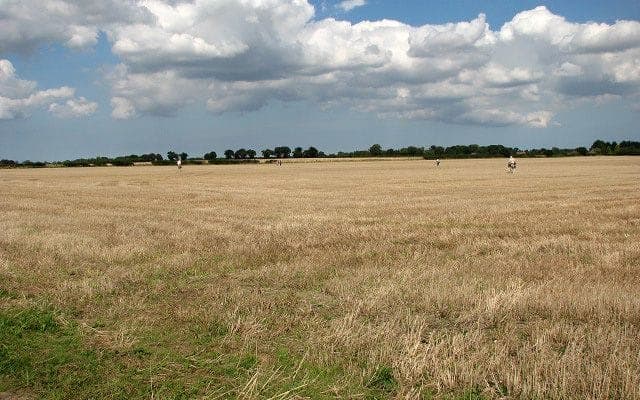
Summer is among the most appreciated seasons for detectorists: long days, dry ground and pleasant conditions make it possible to explore new permissions and return to the most productive sites. Heat, however, puts the body to the test. High temperatures increase fatigue, dehydration and the risk of heatstroke, especially on long outings in open fields with little shade. The UK shop Regton's blog has collected some useful advice. Here we summarise it in general terms, adding a few practical considerations.
The first point is hydration. When you are focused on the signals from the coil, it's easy to forget to drink, and by the time you feel thirsty the body is often already dehydrated. The rule suggested is to drink little and often throughout the day, carrying a generous supply of water. For full-day outings, Regton also recommends electrolyte drinks, which help replace the salts lost through sweat. An insulated bag helps keep drinks cool during longer sessions.
The second point concerns listening to your body. The classic 'just one more signal' mindset is not a good idea when it's hot. It's worth scheduling regular breaks in the shade, where possible, to drink, eat something and let body temperature come down. If unusual tiredness, dizziness or difficulty concentrating appear, the message is clear: stop searching immediately and rest. A shorter, comfortable session is always preferable to a day that ends in exhaustion.
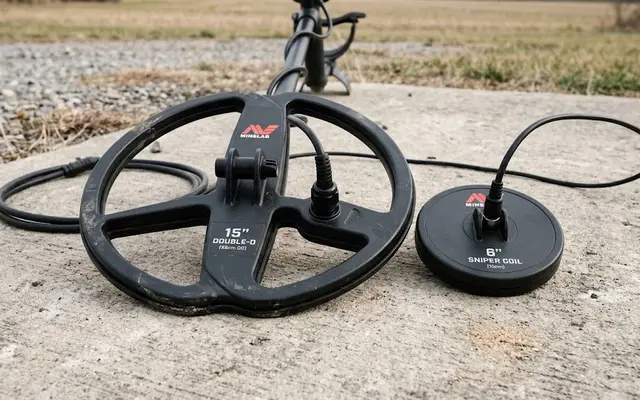
Equipment matters too. Swinging the coil for hours in the sun tires the arm and shoulder, and a light metal detector lets you search for longer with less effort. Regton cites the XP range as an example, designed with comfort and ergonomics in mind; however, these are the recommendations of a shop that sells the brand, so the general principle applies: before buying, it's worth evaluating the machine's weight and balance.
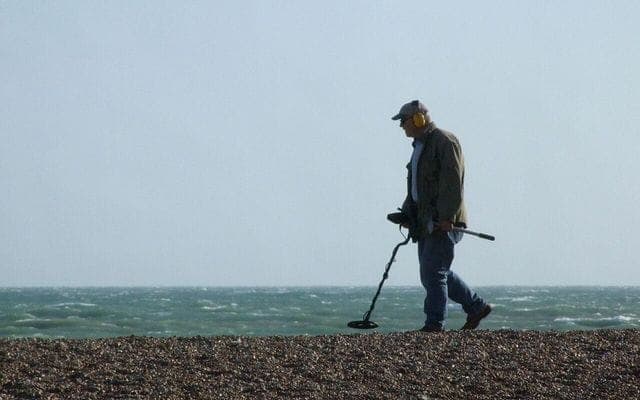
Clothing makes a notable difference. As well as clothes suited to hot weather, it's important to apply sunscreen regularly to face, neck and arms. A good peaked cap protects from direct sun and helps keep you cooler. It also has a practical benefit: it reduces glare and makes the detector's display easier to read in strong light. According to the source, many detectorists find it essential for comfort during long sessions.
Timing is another strategic choice. The hottest period typically runs from 11am to 3pm and, if possible, it's best to plan around it. Early morning and late afternoon are cooler and more comfortable, and often offer excellent searching conditions.
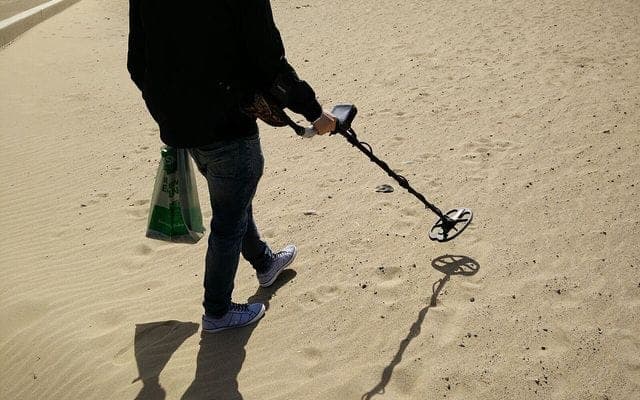
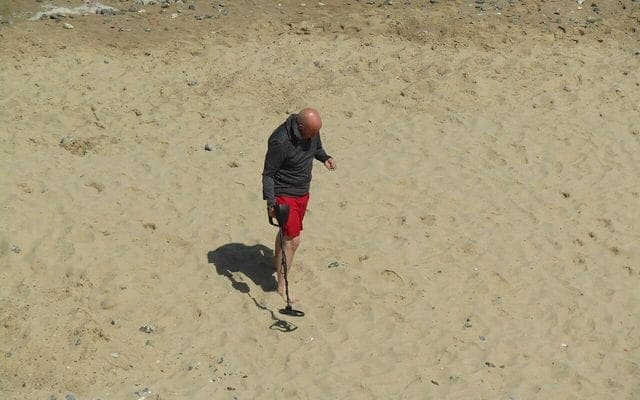
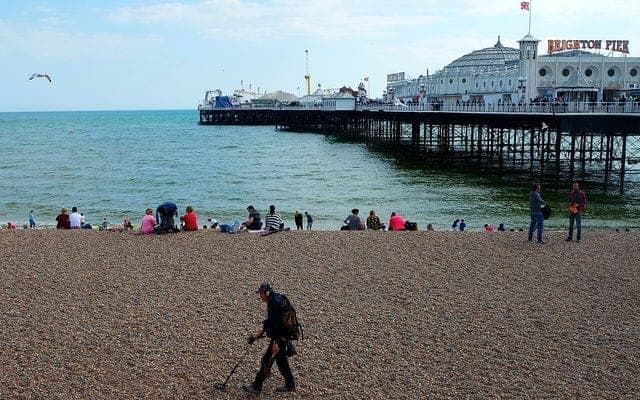
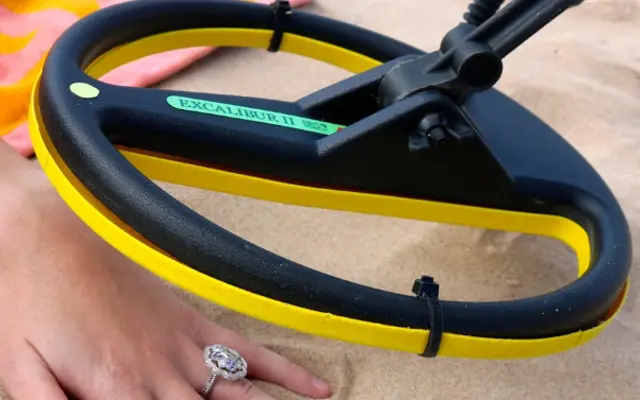
When temperatures rise, you can change environment. The beach offers sea breezes, attractive scenery and a climate that is usually cooler than many open fields. Tides, currents and shifting sand constantly reshape the shoreline, creating opportunities to find coins, artefacts and other interesting objects. Before setting off, check that your detector is suitable for beach use, particularly if you search on wet sand or near the waterline.
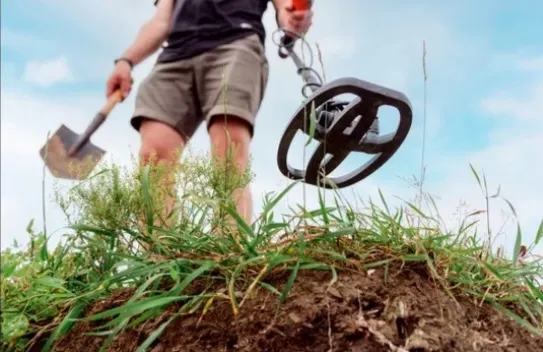
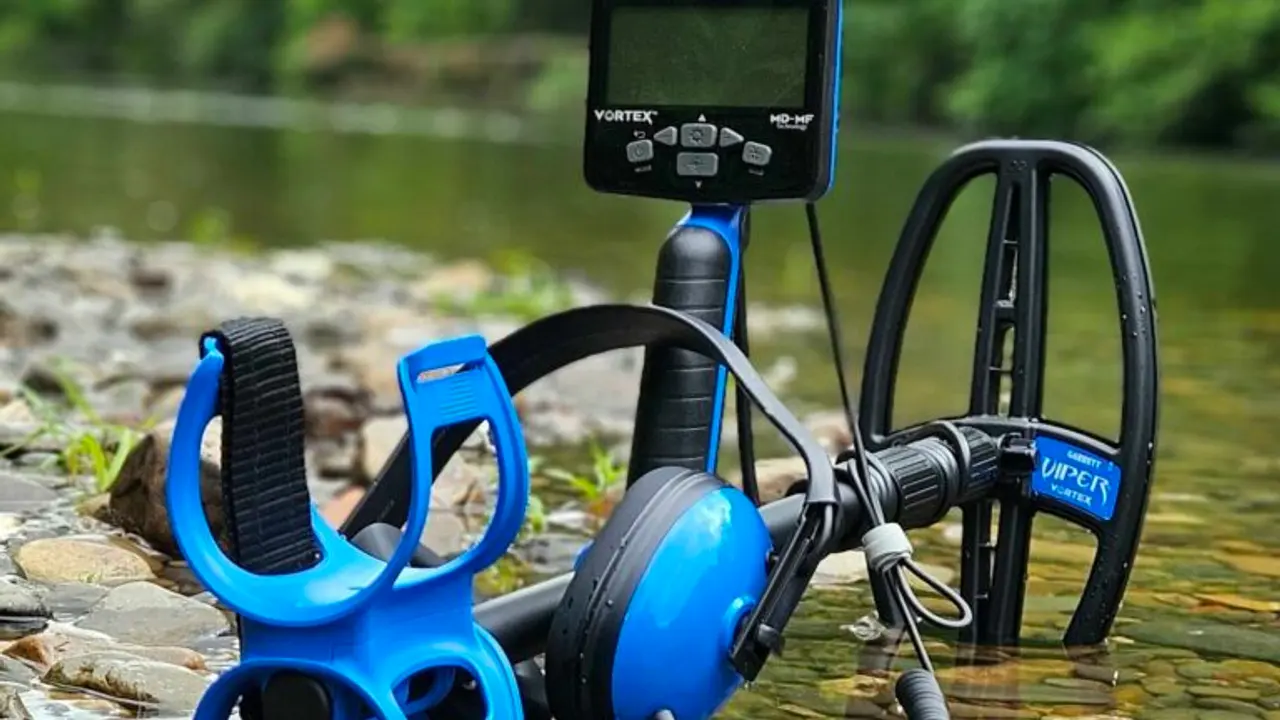
Rivers, lakes and other waterways can also offer cooler conditions than exposed fields: nearby water tends to moderate temperatures, and shaded banks provide relief from the sun. As always, check permits and local regulations before searching near a watercourse, and make sure your machine is usable in water. In Italy this check is even more important, because searching is subject to specific rules that must be known before heading out.
Finally, the advice that Marcus, Managing Director of Regton, gives as simple yet fundamental: don't search alone. Metal detecting often takes you to isolated places, to large fields where help may not arrive quickly. The source text breaks off precisely at this point, but the meaning is clear: in hot weather a medical emergency can strike suddenly, and having a companion nearby who can notice a problem and call for help is the best form of prevention. If you do go alone, it's wise to tell someone where you are and when you expect to return.
In short: water, shaded breaks, lightweight equipment, sun protection, smart timing, cooler environments and company. With these precautions, the hot season remains an excellent opportunity to search, without turning a passion into a risk.