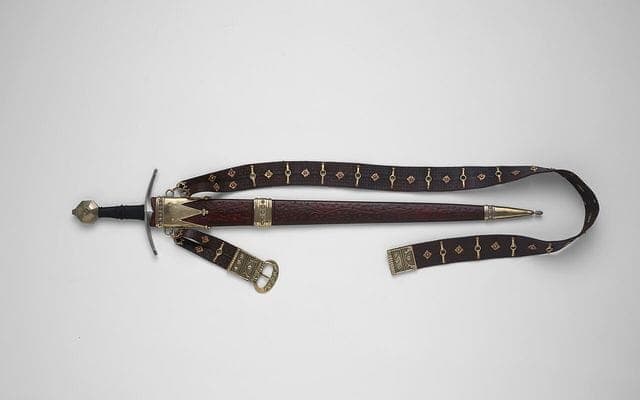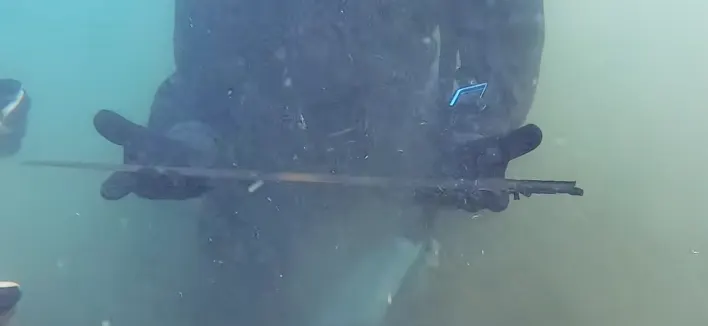
A bronze sword about 3,300 years old, still sharp, has been recovered from the bottom of Lake Mezzano. It is a small volcanic lake in central Italy, about 60 miles northwest of Rome. Smithsonian Magazine reports the find, based on an announcement by the Superintendence of Archaeology, Fine Arts and Landscape for the Province of Viterbo and Southern Etruria.
It is the third sword found in the lake since the 1970s. The weapon is dated to the 13th century BC, that is, the Late Bronze Age. According to archaeologists, between roughly 1700 and 1150 BC the lake was home to a lake-dwelling village, a community built on stilts over the water.
During that period, the peoples of central Italy maintained exchanges and contacts with other communities on the peninsula and across the Mediterranean. According to researchers, in this context weapons were not just tools for fighting. They were also symbols of prestige, identity and power.
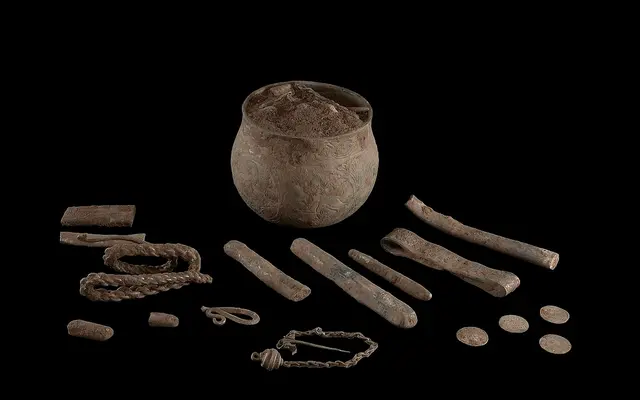
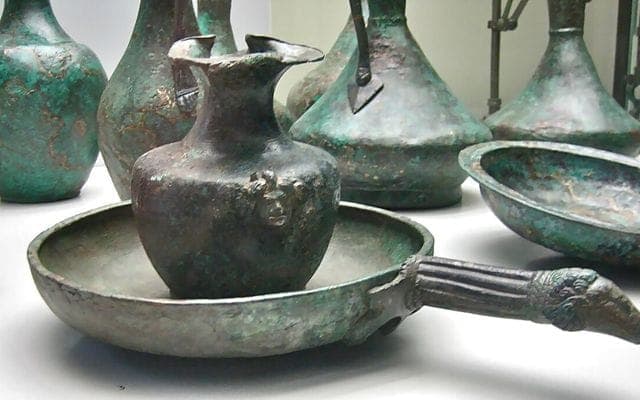
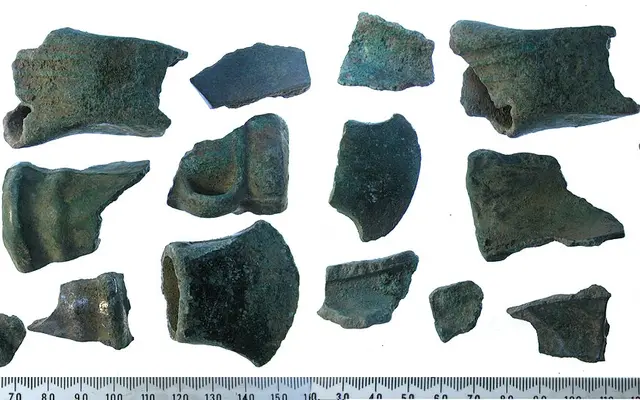
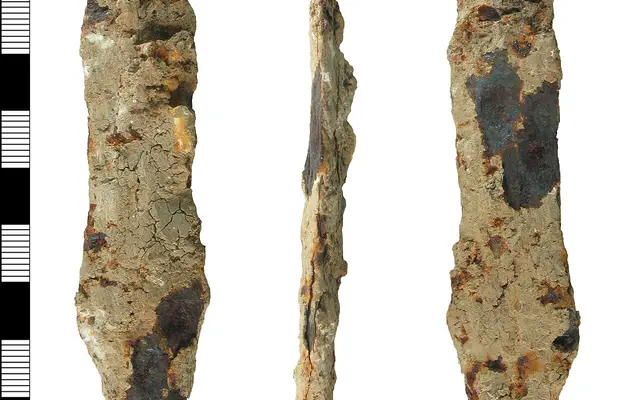
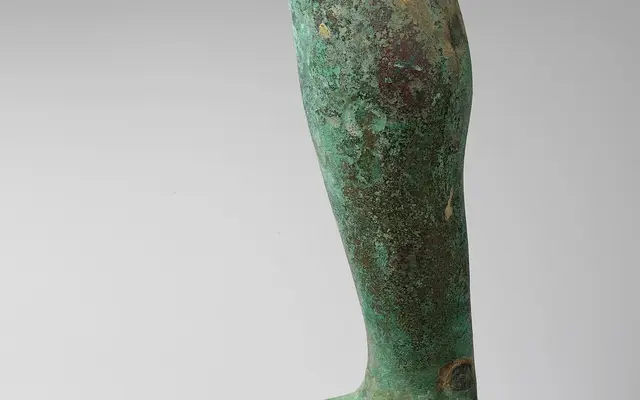
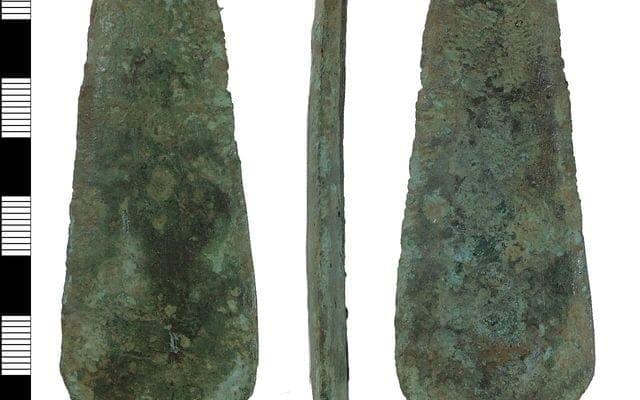
The sword emerged during excavations of a little-explored area on the lake's southern shore. The same campaign turned up intact vessels and numerous bronze objects: axes, arrowheads, daggers, spearheads, pins and a razor. The sword and the razor were lying close together, suggesting they belonged to the same person, perhaps an individual of high rank or an elite warrior.
Similar finds across Europe suggest that people in antiquity deliberately deposited weapons and other metal objects in lakes, perhaps as part of religious rituals or offerings. According to Kristina Killgrove of Live Science, the sword may have been thrown into the water as an offering to a deity. Smithsonian cites similar cases: a Viking-era sword from about a thousand years ago found in an English river, an Iron Age sword in a Swedish lake, and a medieval sword covered in rust from the Vistula River in Poland.
The submerged village was identified in 1971 by geologist Lamberto Ferri Ricchi. At that time he found the remains of three prehistoric stilt houses, at depths of roughly nine to thirty feet. He returned several years later at the request of regional archaeological authorities and recovered about 50 vessels, three bronze axes, skeletal remains, wooden planks, grinding stones and other artifacts.
Excavations continued until the mid-1990s. They then stopped for almost thirty years, until funding returned. Last year archaeologists went back to the site and mapped more than 600 wooden posts, which they believe supported the Bronze Age settlement. The posts are set in the lakebed clay at varying depths, from about eight to over 32 feet. Researchers believe the newly mapped ones represent about a third of the entire settlement.
The 2025 expedition also recovered other objects: axes, spearheads, fibulae, rings, a pin and a sickle. There are also bronze ingots that could have been used for casting. This indicates that the inhabitants produced metal objects within the village.
Researchers are still interpreting the results of the latest campaign. According to the official statement, the finds will be displayed in a future exhibition. Archaeologists also hope to continue research at Mezzano to better understand who lived in that village.
For those who practice metal detecting, the case shows how valuable the context of a find can be. The proximity of the sword and the razor, for example, makes it possible to put forward a hypothesis about their owner. This kind of information is lost if objects are removed without documentation. That is why every discovery of historical interest should be reported to the competent authorities.