An object that seemed unworthy of attention in the field became the find of the month. According to the blog of Regton, a British metal detecting shop, the protagonist is Seb, a member of the shop's team. During a routine outing, he recovered a target that at first glance looked like scrap metal. Seb follows a simple rule, common among many experienced detectorists: keep everything, just in case. "I keep all my finds in case they turn out to be something," he explained, noting that after a closer examination at home, some pieces can still be discarded.
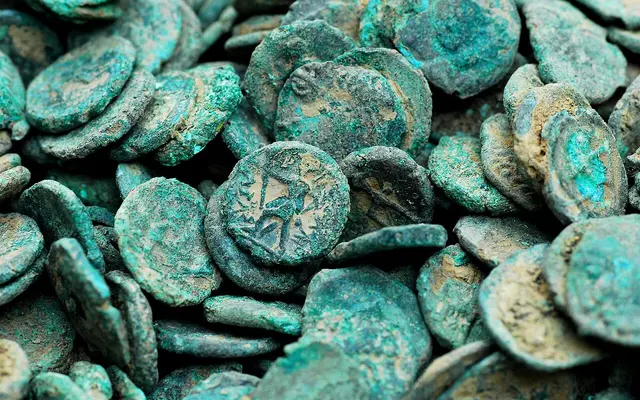
The item sat for a few months among other materials. Only later did Seb decide to soak it together with a batch of coins. A routine cleaning thus turned into a small discovery.
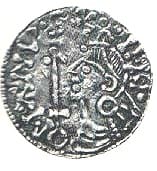
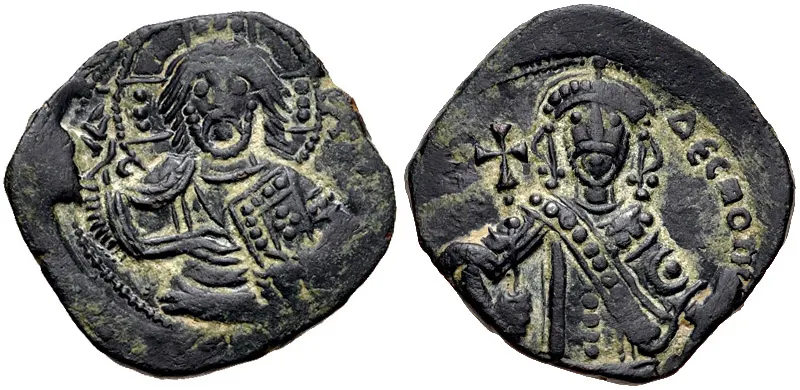
For a first test he used a composite cleaning pencil. Barely visible details began to surface on the surface, then a figure. "I saw a figure holding a scepter and my mind immediately went into overdrive," he recounted.
At that point the search began. Seb compared images online and consulted groups dedicated to finds, gradually narrowing the field. "After ruling out the Roman period, I felt it could be Byzantine," he said.
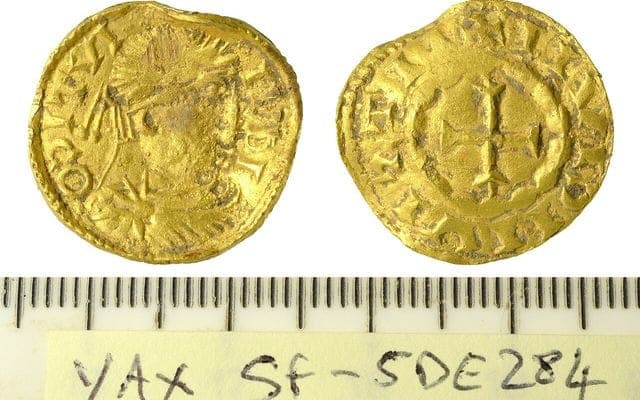
The identification points to a copper tetarteron, struck during the reign of John II Comnenus (1118-1143). According to the source, coins of this type circulated in areas such as present-day Greece and were minted at mints such as Thessalonica (Thessalonike). The rarity of the piece is still being assessed.
Byzantine coins are not a frequent find in the United Kingdom. The Byzantine Empire, the eastern continuation of the Roman one, used coinage as a fundamental tool for exchange in Europe and the Mediterranean. Issues typically bore an imperial image on one side and Christian figures or symbols on the other, reflecting the close bond between state and faith.
It remains to be clarified how a coin more than 800 years old, born in the Byzantine world, ended up in British soil. The blog offers some general hypotheses: a loss linked to trade or travel, or a later move by collectors. None has been confirmed, and the precise location of the find has not been disclosed.
Beyond its historical value, the story offers a practical lesson: do not discard an uncertain signal too quickly. Digging the target, preserving it and re-examining it calmly, with gentle cleaning and some comparative research, can turn an anonymous object into a coin almost nine centuries old.
Patience, curiosity and a bit of detective work are, according to Regton, the elements that led to the result. The advice given to detectorists is the same that guided Seb: if the signal is doubtful, dig it up, keep the find and give it a second chance.