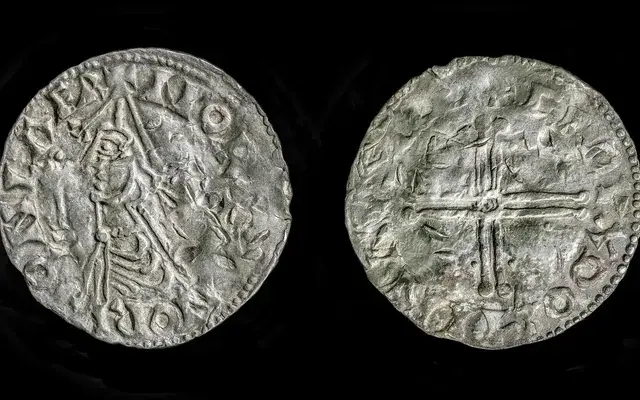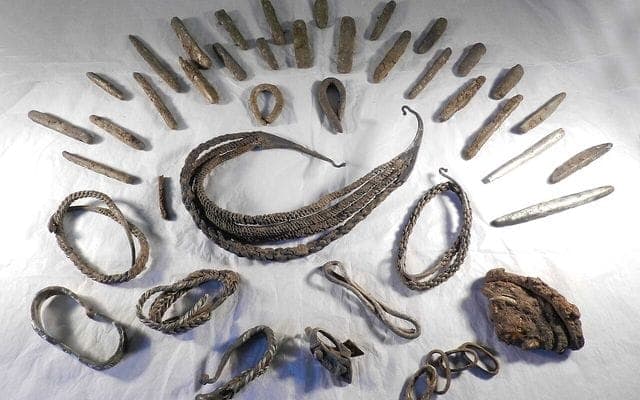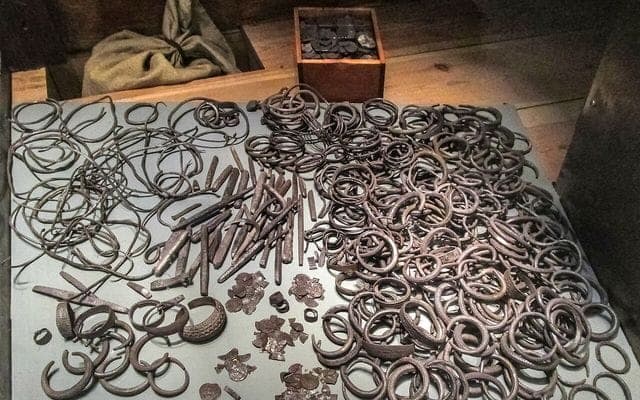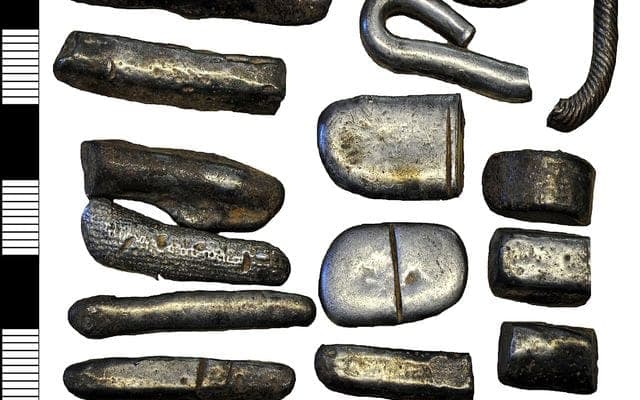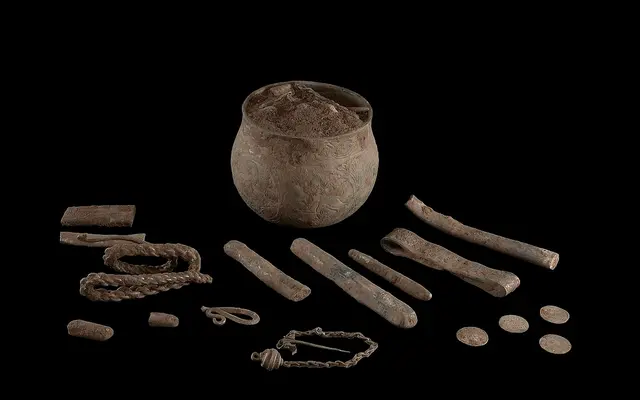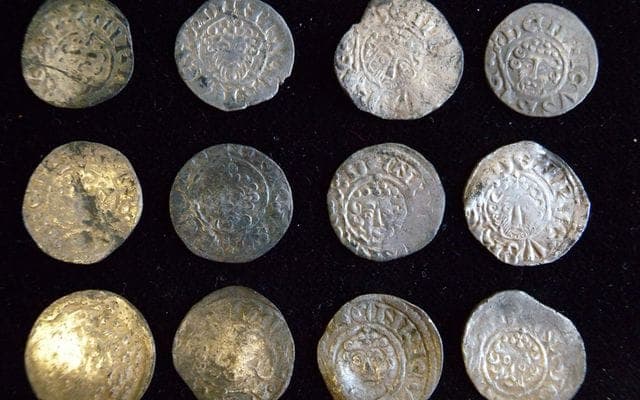
Among the more than 5,000 coins of the Mørstad hoard, the largest deposit of Viking coins ever found in Norway, an exceptionally rare piece has been identified. According to The History Blog, archaeologist Anne Skogsfjord, who is cataloguing the complex, has identified a silver penny issued by Olaf Haraldsson, the king later venerated as Saint Olav, patron saint of Norway. The rarity of the find is remarkable: fewer than 20 coins of Olaf Haraldsson survive today. Of this specific type, only four are known, three of which are in Sweden. The only one found on Norwegian soil dates to 1924, more than a century ago. The Mørstad specimen is therefore the second of its type discovered in Norway.
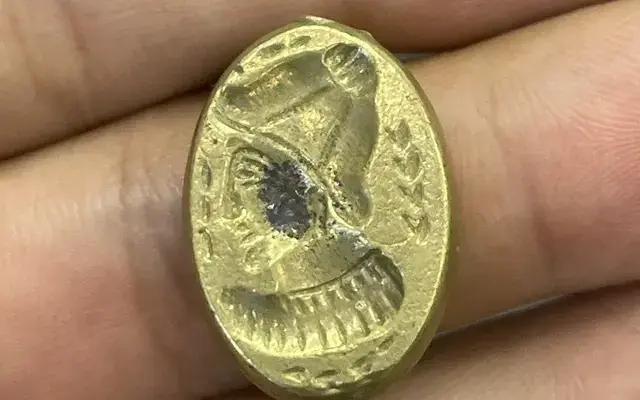
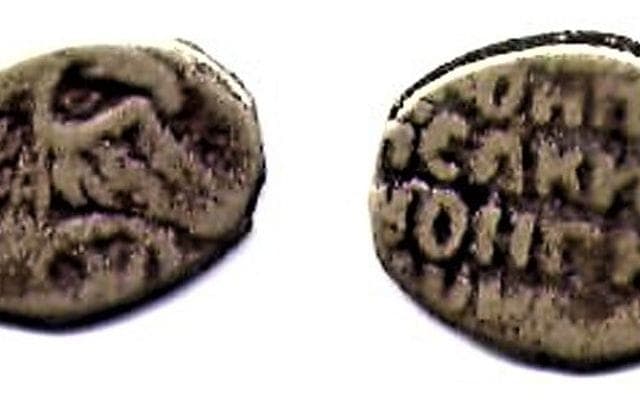
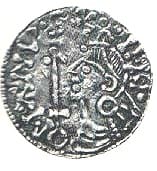
The obverse shows the ruler's portrait in profile, facing left, wearing a conical helmet. In front of the profile is a cross on three steps, the so-called Calvary cross, a motif very common on Byzantine coins. The inscription reads ONLAF R+ NORMANORV, meaning “Olaf, king of the Norwegians.” The reverse features a double cross. In this specimen the reverse inscription is worn and the final letters are missing. The full text, however, is known from other coins struck from the same die: +CE DVX DOMINNVS MEI, “my leader, my lord.”
Three different issues of Olaf Haraldsson's pennies are known, all modeled on Anglo-Saxon pennies struck under Cnut the Great around 1024–1030. The Mørstad coin is dated to 1024–1028, the final years of the Viking Age. Olaf is credited with bringing Christianity to Norway and, since he was in all likelihood the one who set the appearance of the coins, both the iconography and the inscriptions confirm the importance he placed on Christianization. The Museum of Cultural History describes the discovery as a sensation. As stated by Gullbekk, quoted by the source, it is “a coin that celebrates Christianization on a large scale,” showing how Olaf used coinage to legitimize the new faith and himself as a Christian king of European rank.
The coin had a fairly long life in circulation. During the 20 to 25 years it remained in use, it probably changed hands several times before being buried on what is today the Mørstad farm in eastern Norway. Researchers have identified small knife cuts on both sides: a way of checking the silver content during payments, a common practice for metal money of the time. For metal detectorists, the Mørstad case is a reminder of how much a single find, read with expertise, can add to our understanding of an era: type, die, signs of use and find context tell the story of those who handled it.
Olaf's coin will be among those from the Mørstad hoard displayed for the first time in a new exhibition at the Museum of Cultural History, opening on 20 November.