The short answer is yes: aluminum is almost always detected, and it is actually one of the easiest metals for a metal detector to pick up. Many people are surprised, because aluminum is not magnetic and a magnet won't stick to it. But a detector does not work by detecting a target's magnetism. What matters is its electrical conductivity and, as we will see, its size.
The mechanism works like this. The search coil, the detector's head, generates an alternating magnetic field. Any conductive object that enters that field develops small circular currents inside itself, called eddy currents. These currents in turn produce a magnetic field of their own, and it is this secondary field that the instrument picks up and converts into a signal. The better the object conducts and the larger its surface area, the stronger the response.
In this respect, aluminum has an advantage. According to the source consulted, it is about 61% as conductive as copper, a very high value. As a result, even thin, very light pieces, such as a fragment of a can, a scrap of aluminum foil or a pull tab, can be noticed by the detector. A significant mass is not needed to produce a clear signal.
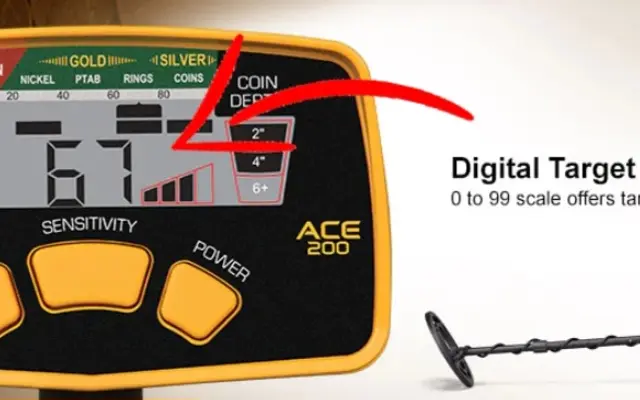
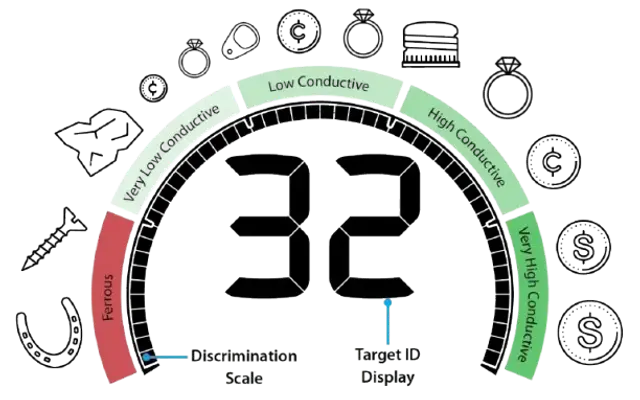
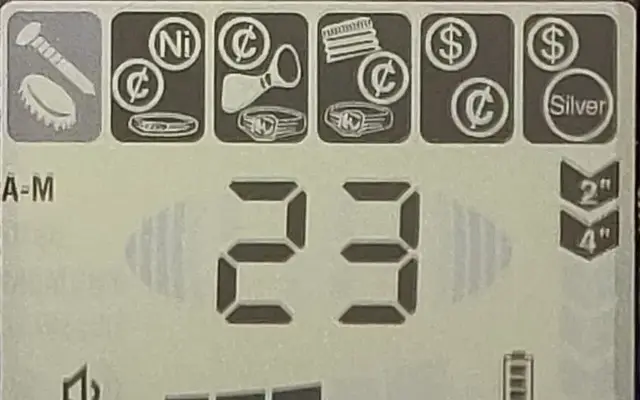
Detectorists discover this quickly, and at their own expense: aluminum waste is the most dug false treasure in the entire hobby. On most discrimination and Target ID scales, pull tabs and can fragments fall into the same mid-range conductivity band as gold rings. For this reason, many experienced hunters still choose to dig them: rejecting that whole range would mean risking leaving gold jewelry in the ground.
The same applies outside the search field. Walk-through security gates and handheld metal detectors used at checkpoints reliably detect aluminum: cans, foil wrappers, vapes, laptops and packaging lined with metal foil can all trigger an alarm. A whole can is a large, highly conductive target that virtually any security detector will flag without difficulty.
One case that surprises people is foil. Wrapping an object in aluminum foil does not make it invisible to a metal detector, as some people imagine. The foil, being a strong conductor, becomes a target in its own right and produces a well-defined signal on both hobby detectors and most security scanners, even when it is very thin. In practice, the shield many people expect simply does not exist.
Now the practical problem. Small aluminum objects and gold jewelry have conductivity ranges that overlap, so they end up in very close positions on the Target ID scale. There is therefore no magic number that reliably separates trash from treasure, and discrimination always has its limits. Digging a few uncertain signals in the mid-range is simply part of the game if you really want to find gold.
The conclusion is that aluminum sets off virtually any metal detector, and this is not a flaw in the machine; it is physics. The skill of the detectorist lies in learning to live with this fact. The method suggested by the source is simple: read the Target ID carefully, evaluate the shape of the signal, and then decide with judgment what is worth digging. Machines with good target separation help, but they do not eliminate the need for judgment.
In short, anyone wondering whether foil, a can or a pull tab will be detected can rest assured: it will. Anyone hunting for gold, however, must accept that some of the promising signals will turn out to be junk. That is the price of not leaving anything valuable in the ground, and with experience you learn to reduce the number of useless holes without giving up on good targets.