The source behind this article is very thin. It is a post on the Dankowski Detectors technical forum, published by the user Tnsharpshooter on 4 September 2026. The message contains only a link to a YouTube video showing a person cleaning their finds. The post has received no replies and shows 6608 views. There is no further information, so we know neither the type of finds shown nor the methods used in the video.
For this reason, we will not describe what appears in the footage. Instead, we will use it as a starting point to recall some general principles on cleaning finds. These are common-sense guidelines, widely shared among enthusiasts, and not drawn from the source. They should be understood as guidance, not as instructions valid for every object.
The first principle is that cleaning is almost always irreversible. Once a patina, or part of the original surface, has been removed, it cannot be restored. For this reason, it is best to start with the least aggressive method and assess each step before moving on to the next. When in doubt, it is better to stop than to persist.
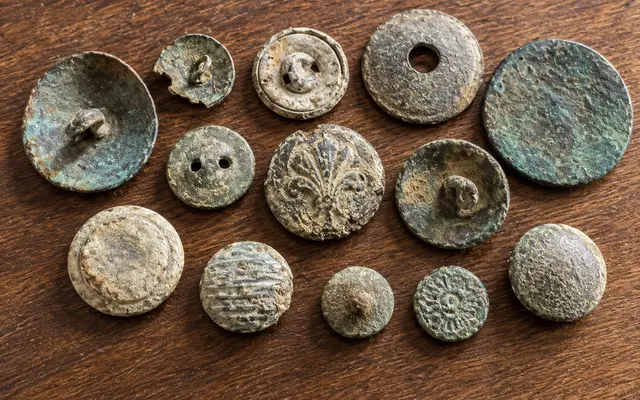
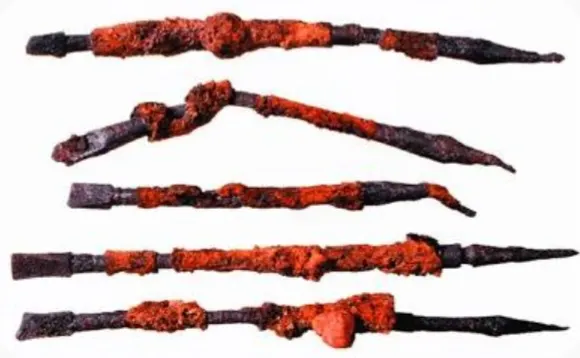
The second principle is to identify the material before doing anything else. Iron, bronze, copper, silver and lead react differently to water, abrasives and chemical products. A treatment suitable for an iron object can damage a silver coin or erase the details of a bronze. Often the first stage consists only of removing excess soil, using lukewarm water and a soft toothbrush, without scrubbing forcefully.
The third principle concerns objects with historical or documentary value. Coins with barely legible inscriptions, or finds with fragile decorations, call for particular caution. If you suspect you have found something important, it is best not to intervene at all and to consult an expert. A restorer or an archaeologist can assess the find without compromising its value.
There is also a regulatory aspect that the Italian detectorist must not forget. In Italy, metal detector searching is subject to precise rules, and archaeological assets belong to the State. Any find of historical interest must be reported to the competent authorities, and doing so before cleaning helps prevent altering its condition. Those who have doubts about their situation should seek information from the Soprintendenza or from trade associations.
A final consideration concerns cleaning videos circulating online. They can offer useful ideas about tools and the patience required, but they often show individual cases, with specific objects and storage conditions. What works on one find is not guaranteed to work on another. Before imitating a method, it is wise to test it on a low-value object and to document every stage with photographs, so as to keep a record of the initial condition.
In summary, cleaning finds requires gradualness, knowledge of materials and respect for the rules. The post shared on the Dankowski forum, although lacking comments and details, confirms the community's ongoing interest in this subject. To learn more, the advice is to consult experienced people and specialised conservation and restoration sources.