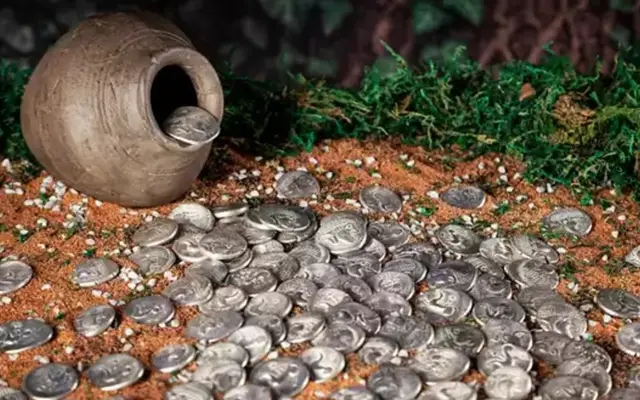
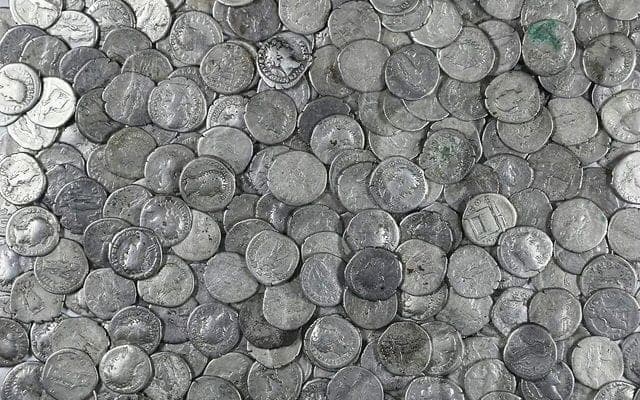
A metal detectorist found two silver hoards near Sysmä containing nearly 4.5 kg of Viking-era coins and jewelry.
September 11, 2026
ShareLink copied!
Portable Antiquities Scheme from London, England — CC BY 2.0, via Wikimedia Commons
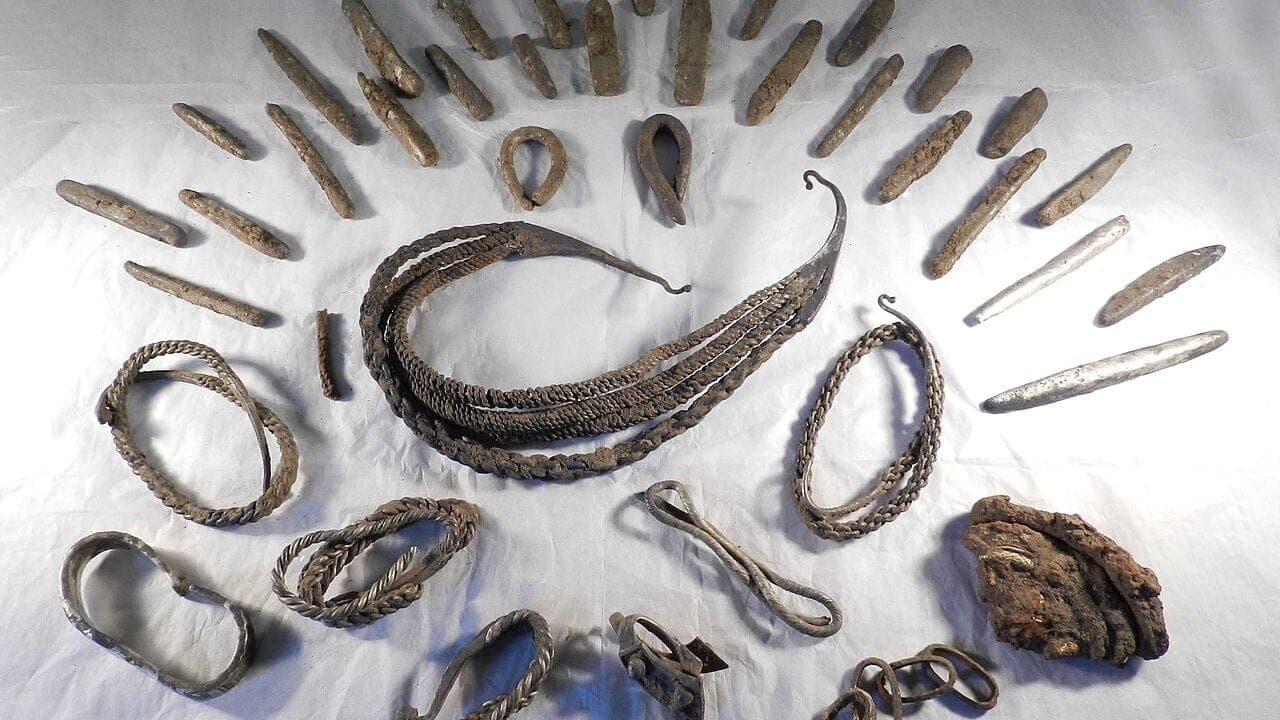
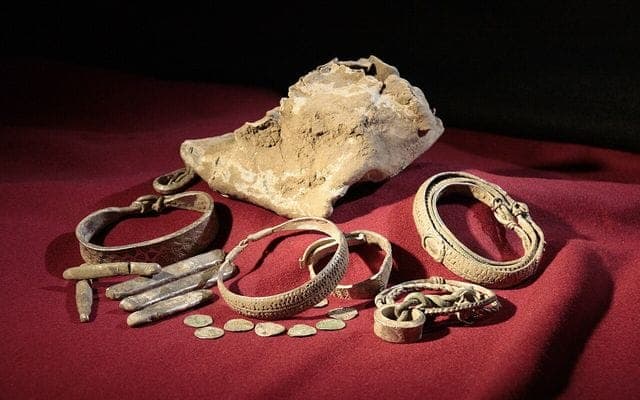
The largest Viking-age silver hoard ever found in Finland was discovered by a metal detectorist about 150 kilometers north of Helsinki. According to Live Science, the find includes nearly 4.5 kilograms of coins and jewelry, and the total number of pieces is estimated to be in the thousands.
The deposits were located by Kalle Lappinen, who found them on 3 September and immediately contacted the museum. The following day, archaeologists inspected the site and excavated the finds using stratigraphic methods, as described in an official statement, translated and cited by the outlet. It is an example of good cooperation between metal detectorists and institutions, which helped preserve the context of the discovery.
Archaeologist Esko Tikkala of the Lahti Historical Museum, who led the excavation, told Live Science that the site lies next to a rocky outcrop in a forest near the town of Sysmä. In the same region of Finland, he added, other buried hoards have been discovered over the past ten years.
The treasure was divided into two deposits, hidden in birch bark containers. According to Tikkala, they were buried between two stones at a depth of about 45 centimeters and were roughly 12 meters apart. No traces of burials were found nearby, although the surrounding area has not yet been thoroughly studied.
The material has not yet been fully cleaned, sorted and counted. "There are a lot of coins in this hoard, and I haven't had time to examine them yet," the archaeologist said. As a result, the exact number of pieces remains unknown.
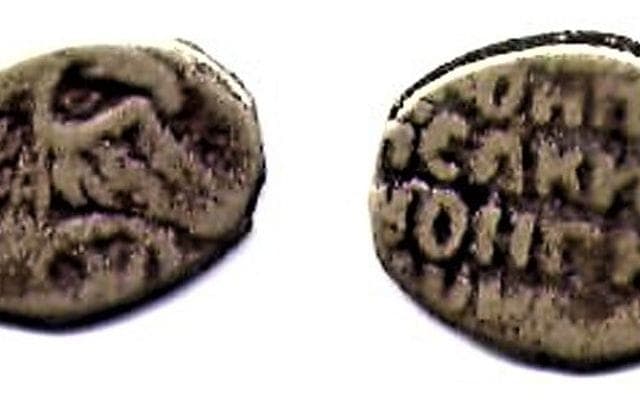
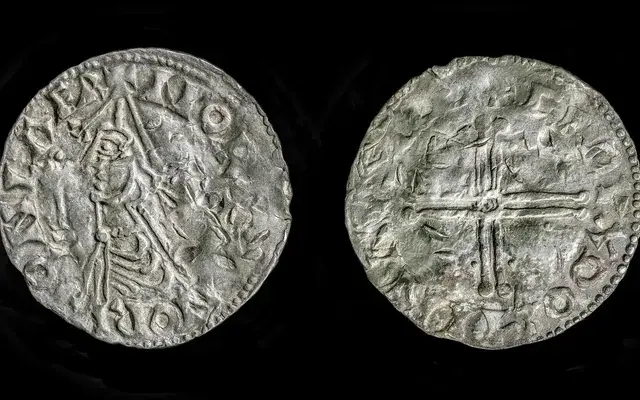
The coins and jewelry likely date to between 1000 and 1050 AD, but it is not known precisely when the hoard was hidden. The coins come from areas corresponding to present-day Germany, Sweden and Great Britain. There are also some dirhams, silver coins minted in the Islamic world. Those previously found in Finland are generally dated to between around 800 and 1050, Tikkala noted.
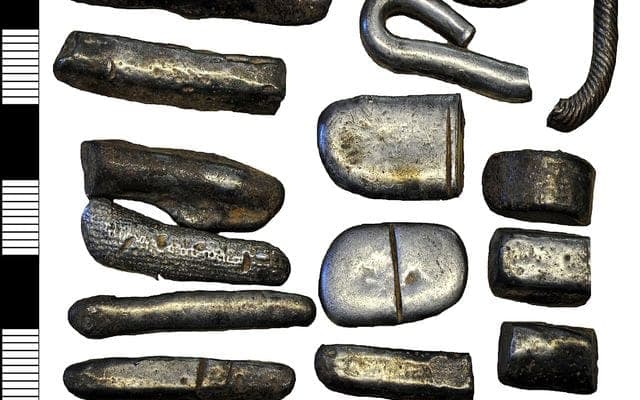
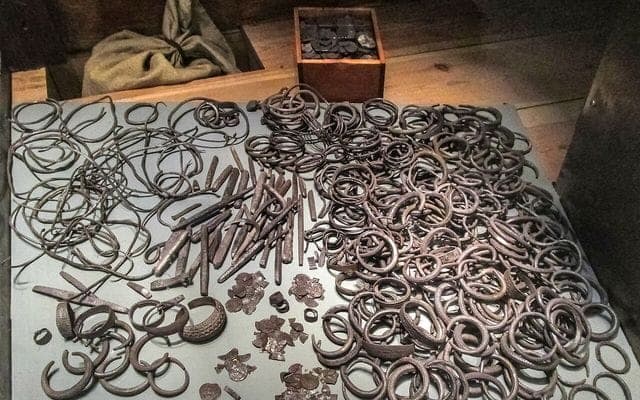
Besides coins, the hoard contains several silver jewelry items, including a bracelet, as well as so-called payment silver in the form of hacksilber. These are silver fragments that could be cut into smaller pieces and used in transactions according to their weight, in line with the practice of the Viking economy.
Also according to Live Science, the precious metal alone, calculated by weight, would today be worth nearly $10,000. The historical and scientific value of the find is, of course, far greater, especially for what it can reveal about trade routes and the circulation of money at the time.
The outlet notes that determining why a particular hoard was buried is difficult. A recent study of more than 15,000 Roman-era deposits showed that different motives can coexist: tax evasion, votive offerings or simply storing wealth in uncertain times. In the Finnish case, the reasons remain unknown for now.
Cleaning and studying the finds will clarify the hoard's exact composition, origin and chronology. For now, it is a significant discovery for Finnish archaeology and a clear example of how a prompt report from an enthusiast can turn into an important scientific discovery.
ADV
The AI assistant for metal detecting
Custom programs, restricted-area checks, ground recognition and much more.Try it free →Get the app