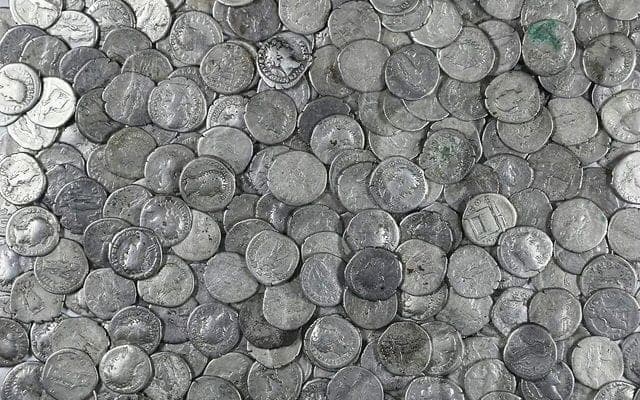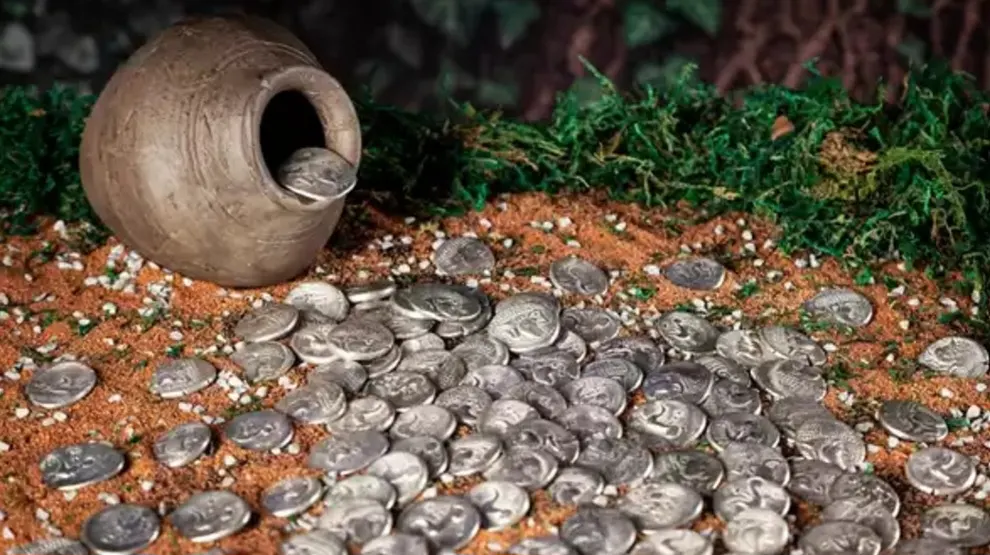
A hoard of more than 200 Celtic silver coins, weighing over two kilograms in total, has been recovered in Szombathely, in western Hungary. According to Stilearte, the discovery was made during archaeological excavations linked to the construction of a new electrical substation by the E.ON group.
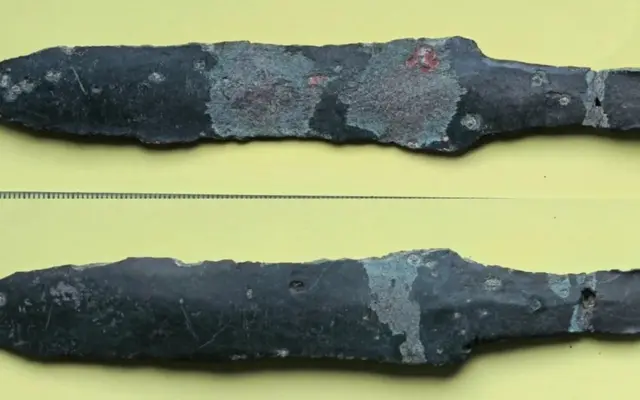
The investigations yielded nearly 400 archaeological features and several thousand finds. They cover a very broad chronological span, from the 5th millennium BC to the beginning of the modern age. Among the finds are a Roman farm villa, an intact millstone and a brick bearing the paw print of a dog.
The treasure, however, is the discovery that has attracted the most attention. The coins lay at a shallow depth, between 30 and 40 centimetres, in an area that farming had disturbed for centuries. That work altered the original arrangement of the deposit, but did not erase it entirely.
The recovery was carried out with the help of metal detectors. At first, only a few isolated coins emerged. The archaeologists then followed the instrument signals, gradually moving closer to the core of the concentration until they located the deposit. This method made it possible to recover the coins and also to document their position and the context of deposition. For metal detectorists, it is a good example of how the tool can complement stratigraphic excavation.
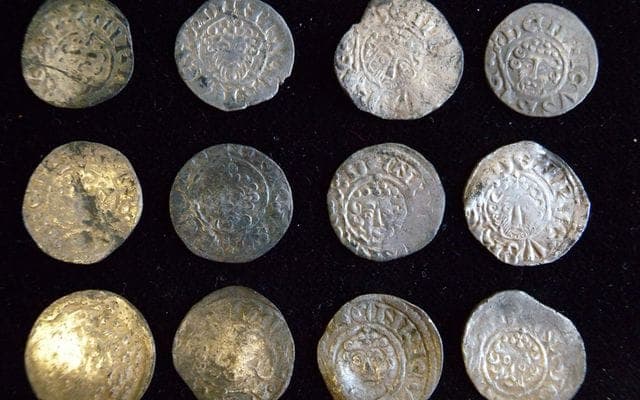
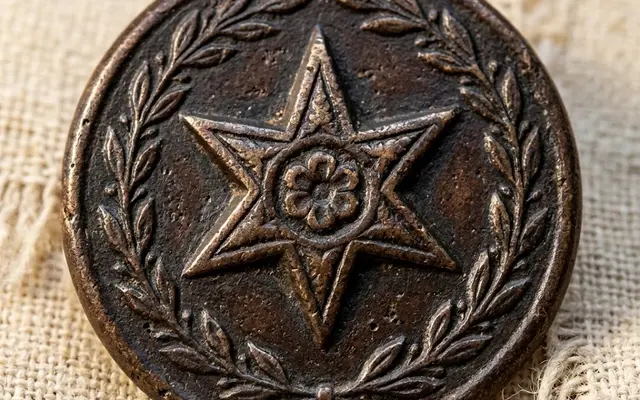
These are Celtic tetradrachms of the Velem type, dating between the late 2nd and the early 1st century BC. The name refers to the Velem-Szentvid area, about 15 kilometres as the crow flies from the find site, where these issues are believed to have been produced. The tetradrachm was a high-value coin, nominally worth four drachmas. More than two hundred examples therefore indicate considerable wealth, concentrated in a single place and taken out of circulation.
One detail makes the deposit even more interesting: some coins had been placed in a small container, while the rest were gathered in a pit. This arrangement may preserve traces of the original organisation of the concealment. Later agricultural disturbance, however, does not allow it to be reconstructed in full.
The question of who the owners were and why they hid so much silver remains open. Scholars consider two main hypotheses. The first is a votive offering, that is, wealth given to the gods through a ritual gesture. The second is a fortune hidden in a moment of danger, with the intention of recovering it later. In this case, the failure to recover it could be due to a political, military or personal crisis.
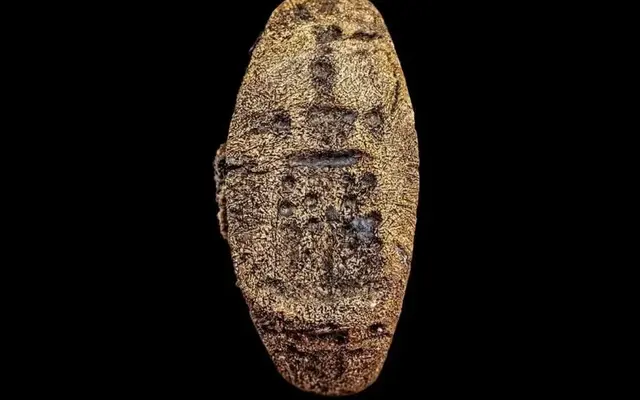
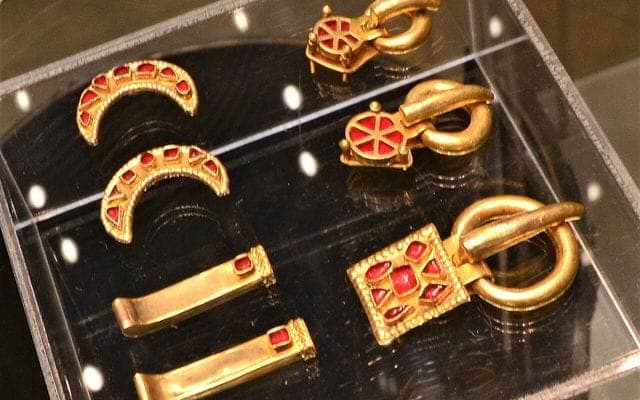
For now, the available evidence is not enough to choose with certainty. According to the source, however, the presence of a spindle whorl, a pair of brooches and a bead from a necklace would point to a household hoard. It may have been placed in the immediate vicinity of a dwelling, or even beneath it.
The difference between the two readings is substantial. A votive deposit speaks of the relationship with the sacred and of goods withdrawn from human use. A treasure hidden out of necessity, by contrast, tells of protecting wealth in uncertain times. The quantity and composition of the coins, together with their original position, will therefore be important data for future studies.