Metal Detector Target ID: How to Read Numbers and Tones
Target ID shows the likely type of metal under the coil as a number. Understanding how to read it helps you decide which signals are worth digging.
April 8, 2024
ShareLink copied!
contenuto generato con AI
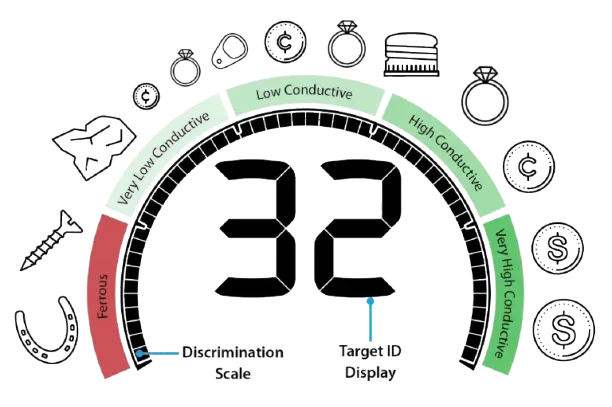
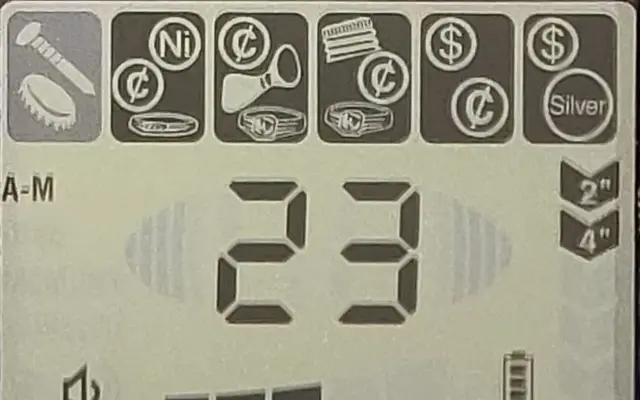
The Target ID, or target identification, is one of the most useful features of a modern metal detector. When the coil passes over a metal object, the device does not just emit a sound: a number or symbol also appears on the display, suggesting what kind of target it is. It is a clue, not a certainty, but learning to read it lets you decide more judiciously whether a signal deserves digging.
The basic principle is that different objects produce different responses. A coin, a bottle cap and a nail do not sound the same and do not get the same value on the display. As the Metal Detecting Life site notes, which inspired this in-depth piece, paying close attention to differences in tone helps you gradually recognize recurring patterns and form an idea of what lies underground before you even open the hole.
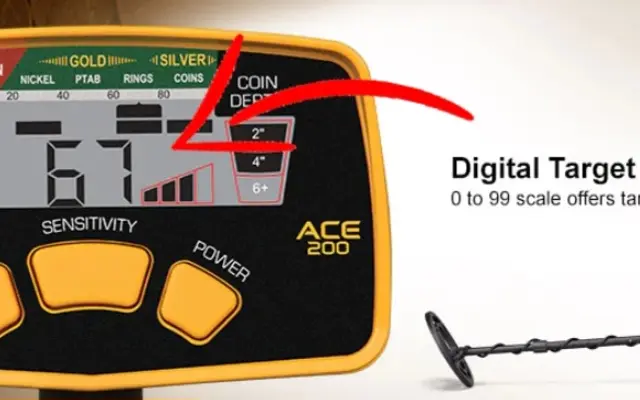
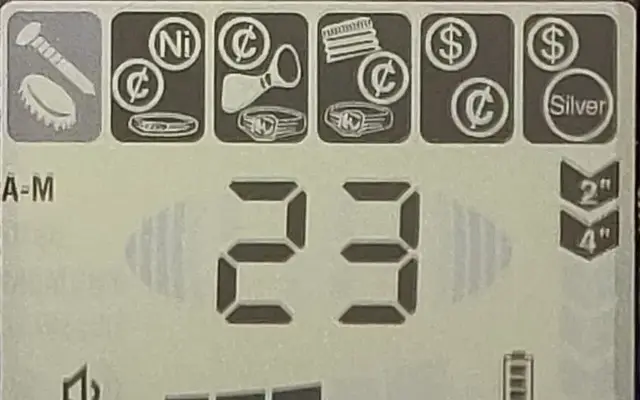
The numerical value sits on a scale that varies from model to model and from brand to brand. Some manufacturers, such as Garrett, include a digital screen with Target ID in the detector precisely to give the user an idea of the target under the coil before digging. This means one device's value table cannot be applied as is to another: the first step is to study your own detector's specific scale and become familiar with it.
With this premise, there are fairly widespread general categories. Ferrous targets, that is, those made mainly of iron, tend to register at the low end of the scale, roughly between 0 and 40. Nails, screws, crown caps and other iron debris fall here, and most detectorists consider them junk. Non-ferrous targets, which contain no iron, appear on many devices above 40: these are coins, jewelry, relics and metals such as copper, brass, silver and gold.
Coins deserve a separate discussion, because their Target ID depends on denomination, age and composition. In general, a small-denomination coin may give a lower value, while coins of larger diameter and mass tend to rise on the scale. For this reason, it is worth checking in practice how your device reacts to the coins typical of the area you are searching, rather than relying on theoretical values.
On the other hand, lightweight materials such as foil, thin aluminum fragments, toothpaste tubes or candy wrappers normally produce low numbers and are generally of little interest. More treacherous is the middle zone of the scale, where pull tabs and can rings fall. These objects usually register at mid-scale and, as the source points out, can have the same Target ID and the same tone as a gold ring. This overlap is why mid-range signals must be treated with caution.
The practical consequence is that the number alone is not enough, and anyone who systematically ignores mid-range values risks leaving valuable objects in the ground. This is where discrimination comes in: excluding entire ranges of values avoids digging a lot of junk, but it means giving up the good targets that fall within the same range. Before clearing a range, ask yourself what you would lose.
An effective way to build confidence is controlled testing. Collect a few known objects, such as coins, a pull tab, a piece of foil and a nail, and pass them under the coil in open air, noting the value and tone of each. This small personal table, built with your own device, is worth more than any generic chart and makes reading signals in the field quicker.
Finally, practice in the field completes the picture. Every time you dig, compare what you find with what the detector indicated, so you can refine your ear and your ability to interpret the display. Over time, Target ID stops being a code to decipher and becomes a reliable tool for choosing where to dig, as long as you remember it is still an estimate: when in doubt, a clear, repeatable signal almost always deserves checking.
ADV
The AI assistant for metal detecting
Custom programs, restricted-area checks, ground recognition and much more.Try it free →Get the app