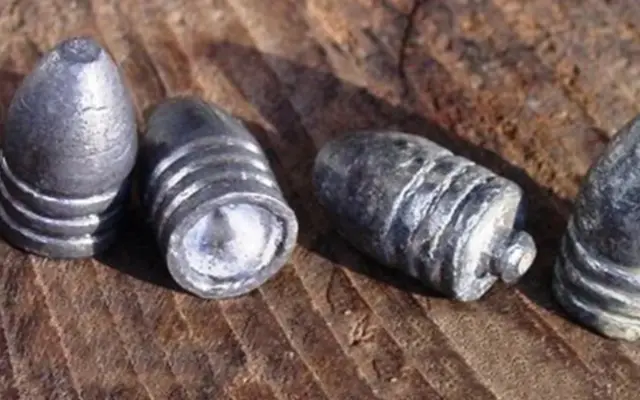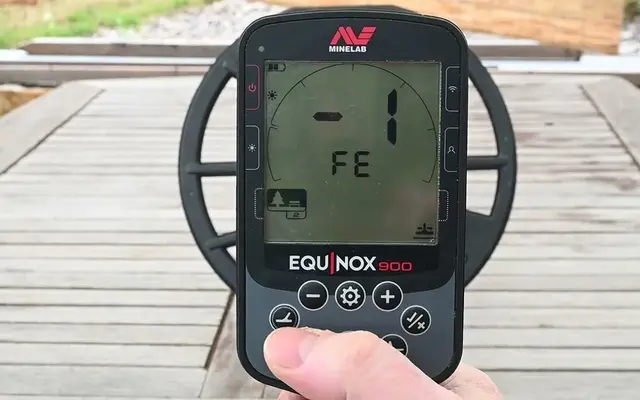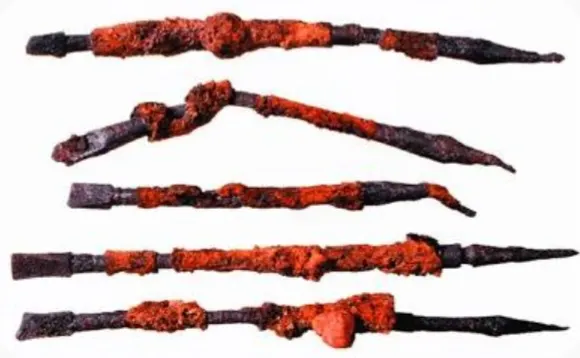
Anyone who practices metal detecting recovers lead all the time, often without thinking about it. Fishing sinkers, bullets, musket balls, seals, weights and fragments are frequent finds on beaches, lakes, old homes, military sites, parks and historic places. Many researchers have collected them bare-handed dozens of times. There is no reason to be alarmed, but it is worth understanding where exposure can really happen and adopting a few simple habits.
Lead is a toxic metal. Exposure can affect the nervous system, kidneys, reproductive system and blood pressure, as well as memory and concentration. Children are especially vulnerable, because their brain and nervous system are still developing. The metal is so often found in soil and water because it has been used for centuries: it is dense, inexpensive, easy to shape and resistant to corrosion.
The source clearly distinguishes between contact and contamination. Briefly touching a single fishing sinker or an intact bullet is, in general, the smallest concern. What weighs more is repeated handling, residue left on the hands, eating before washing, aggressive cleaning of finds, the production of lead dust, and heating or melting the metal. Someone who picks up a sinker, puts it in the finds pouch and then washes their hands is in a very different situation from someone who sands, grinds, drills, polishes or melts lead.
Lead enters the body when dust or particles containing it are swallowed or inhaled. For detectorists, accidental ingestion is the route most easily overlooked. After a day on the beach with several recovered sinkers, it is simple to wipe your hands on your clothes and eat a snack without thinking about what may still be on your fingers. The same applies when sorting dirty finds at home. Residue can travel from the finds to hands, gloves, the pouch, tools, the car, the workbench and kitchen surfaces.
For this reason the source considers activities that produce airborne contamination (grinding, sanding and melting) to carry a substantially higher risk. Intact lead requires basic hygiene, while dust and fumes must be treated as a far more serious matter.
Those searching on beaches or in water mostly find fishing sinkers. A single sinker in the pouch is not a problem. However, if you recover them regularly, it is best to keep them in a separate compartment or small container, away from coins, jewelry, food and personal items. After the session, wash your hands before eating or touching food.
Those doing historical research more often find bullets, musket balls, buckshot and other old ammunition. After decades or centuries in the ground, these finds develop a white, grey or chalky oxidation layer. That surface should not be removed with aggressive methods. Polishing an old piece of lead until it looks 'like new' is generally unnecessary, both for conservation and for safety.
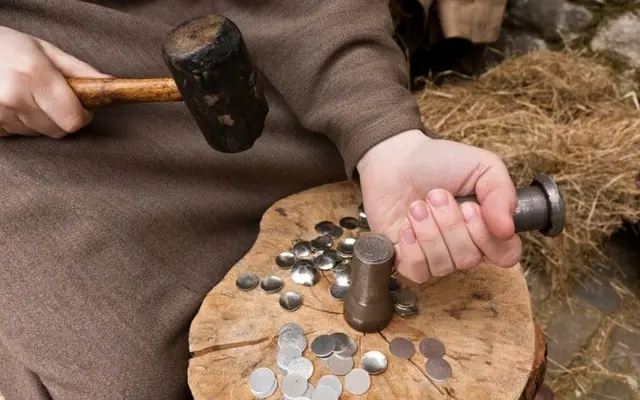
The same criterion applies to bale and sack seals, tokens, weights and other historical objects, which may bear identifying marks of value. Aggressive cleaning risks erasing inscriptions, marks, patina and archaeological information. If the find has historical significance, conservation must take precedence over cosmetic cleaning. Avoiding scraping and grinding therefore protects two things at once: the health of the person handling it and the documentary value of the object.
The practical guidelines are therefore few and within everyone's reach. Handle intact lead with normal hygiene, keep it separate from other finds when you recover a lot of it, wash your hands before eating and at the end of the session, and do not let it turn into dust or smoke. Also keep in mind the places where finds travel: the pouch, gloves, tools, car and work surface can retain residue. With these habits, lead remains what it is for most detectorists: a common find to be managed with good sense, without fear and without carelessness.
The topic mainly concerns those who handle lead frequently. The more often these objects are collected, the more important it is to consistently follow the basic rules. For those with children at home, preventing residue from reaching household surfaces is one more reason to keep things orderly and clean while sorting finds.