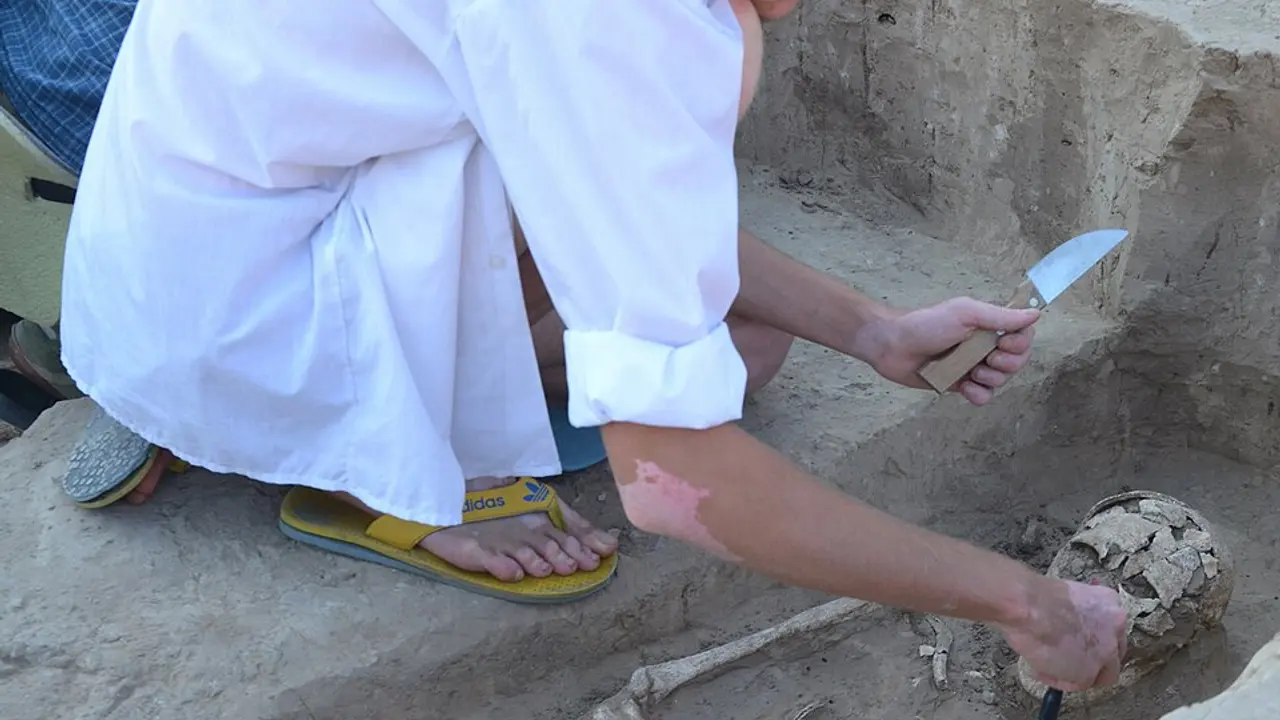
A rich sixth-century burial, attributed to what archaeologists believe was an Anglo-Saxon warrior chief, has been brought to light in southern England after being located by two amateur metal detectorists. According to Live Science, the skeleton has been nicknamed the “Marlow Warlord,” after the Berkshire town near which the remains were found.
The tomb was discovered in 2018 by Sue and Mike Washington, enthusiasts from the area. They returned to the site with their equipment three times. At first the detector signalled what seemed to be buried iron, and the pair believed it was a fairly recent agricultural tool and therefore of little interest. The Live Science report, in the portion available to us, breaks off just at the time of the final visit, so we cannot reconstruct here in detail how the burial was recognised.
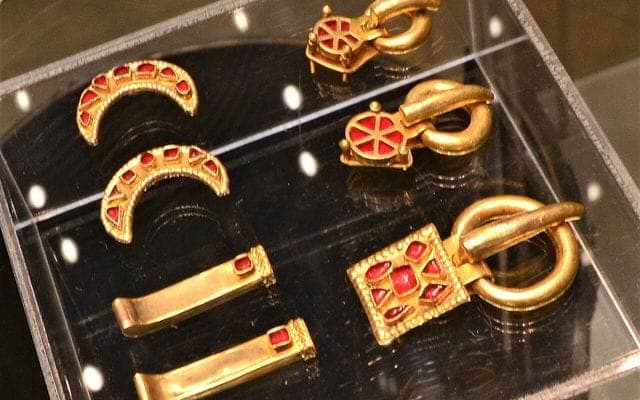
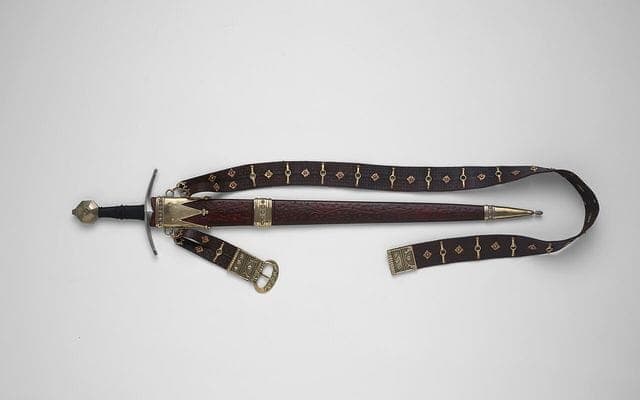
The excavations, carried out at the site overlooking the central Thames valley, were directed by archaeologist Gabor Thomas of the University of Reading. The man buried there was of notable stature: about 1.8 metres, against an average male height in Britain of around 1.7 metres (5 feet 7 inches) for the period. He was accompanied by several weapons, including an iron sword with a scabbard decorated in bronze, leather and wood. The damage to the scabbard, the source reports, suggests the weapon was used in combat.
Among the grave goods are also bronze vessels imported into Britain from Belgium or France. For archaeologists, these materials indicate an individual of high rank and probably a local ruler. Thomas explained to Live Science that the tomb's prominent position and the wealth of its contents are proof of the man's prestige: in his view, “they are making a clear statement about this individual's leadership relative to the local tribe living in the area.”
The historical significance of the discovery lies above all in its context. Until now the area had been considered a kind of “borderland” between the great Anglo-Saxon communities around London and Oxford, just a few decades after the collapse of Roman rule in Britain. The find suggests instead that the region was more important than historians had assumed, with its own powerful Anglo-Saxon groups led by high-status figures. This, the source stresses, was a period of great transformation.
For those who practise metal detecting, the story is a concrete example of how an iron signal, often discarded as agricultural waste, can conceal an archaeological context of great value. The case also demonstrates the value of collaboration between enthusiasts and institutions: some of the images published to accompany the study are credited to the Portable Antiquities Scheme, the British programme dedicated to recording finds, together with the University of Reading.
As always, the reporting and the subsequent excavation carried out by professionals made it possible to document the tomb as a whole, and not just its individual objects. This is what allows scholars to read the burial as a political testimony as well as a material one, and to reassess the role of a territory that until recently seemed marginal.