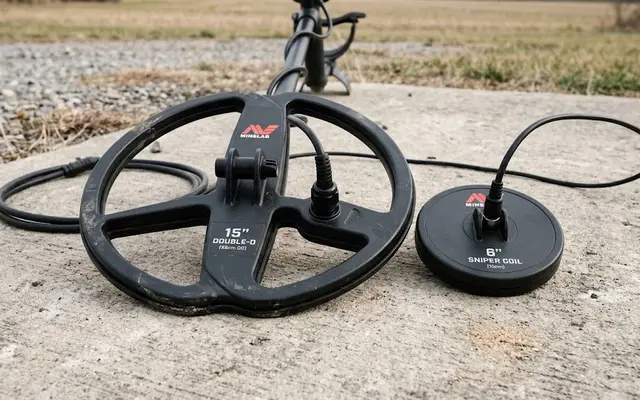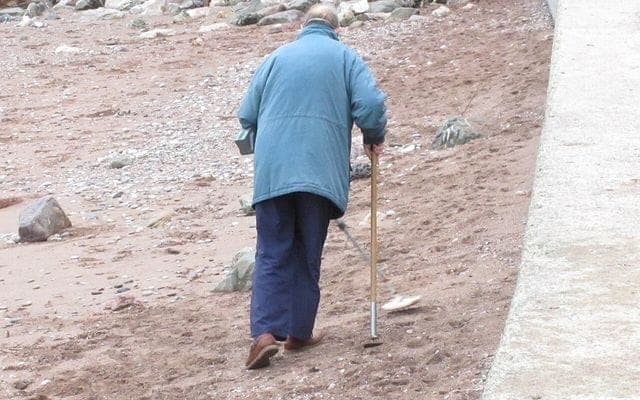
Those who approach metal detecting, with a newly bought detector, one received as a gift or still only wished for, soon discover that it is not an activity with instant results. Focus Speed, a website specializing in the field, repeats this to newcomers: it is a hobby of patience, consistency and practice, not a way to get rich quickly. This guide summarizes the basic principles that emerge from that material and places them in a practical framework.
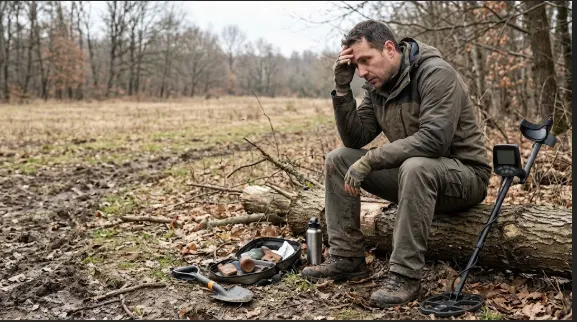
The first figure to keep in mind concerns time. According to Focus Speed, about 100 hours of actual practice with your own machine are needed to learn its settings, recognize target signals and gain the confidence to use it well. These are not hours spent reading the manual. They are hours of sweeping the search coil, listening to tones, making adjustments and recovering objects of all kinds. The more you listen to the machine, the better you understand how it responds to different metals and different ground conditions.
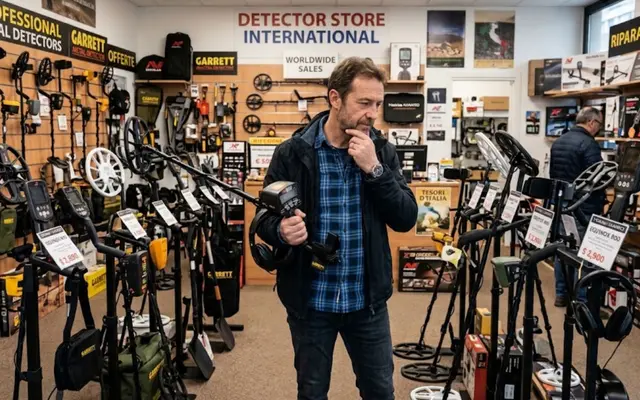
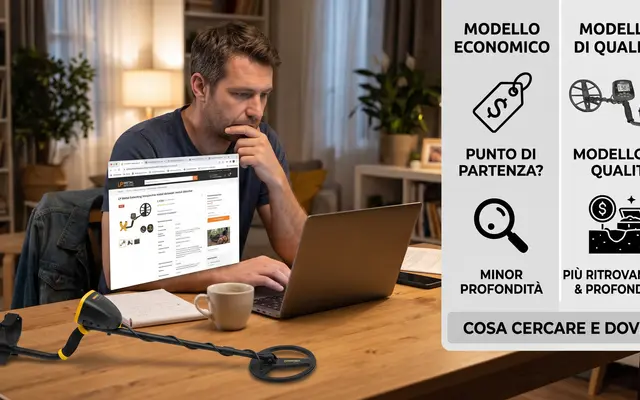
This also explains why the choice of a first detector should not be driven by advertising. Dennis Wynne, a detectorist with over 50 years of experience, argues that experience matters more than marketing promises. His advice is to choose a device that matches three factors: your interests, your budget and the conditions in which you will be searching. Someone who dreams of beaches will have different needs from someone who prefers park lawns or the search for historical artifacts. It is therefore better to ask yourself first what kind of search you want to do, and only then evaluate the models.
Once you have the machine in hand, metal detecting proves broader than the simple act of moving the search coil. Focus Speed describes it as a set of outdoor activities, combining search, problem-solving and practical skills. They include reading the target identification and audio signals, pinpointing the object precisely before digging, recognizing finds and, above all, requesting permission from the appropriate party. Each of these skills improves with practice, and it is worth developing all of them, not only the technical side.
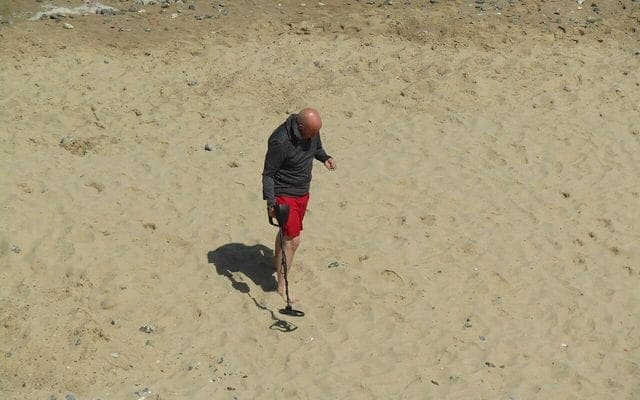
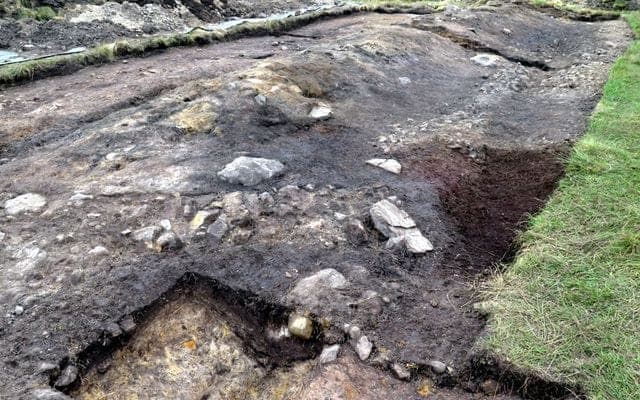
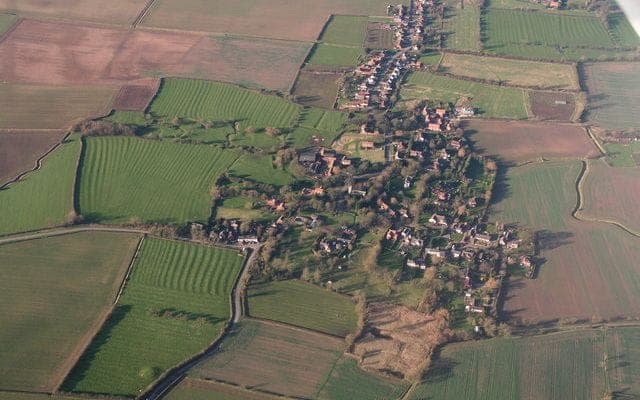
On the question of site selection, preliminary research makes the difference. Sources cite historical maps, aerial photographs and cadastral or land registry records as tools that experienced detectorists use to identify promising locations before going into the field. Studying how a territory has changed over time makes it possible to focus search hours where it makes sense to search, instead of randomly sweeping barren areas. Even those seeking lost jewelry have some useful guidance: beaches, parks and recreational areas are the settings where sources suggest concentrating efforts, adapting strategies and techniques to the location.
However, the topic the sources address most insistently is etiquette. A few carelessly dug holes, soil plugs put back badly or reckless behavior can lead to restrictions in parks, bans on beaches and the loss of valuable permits. The problem, Focus Speed observes, rarely stems from bad faith: more often it comes from a lack of knowledge and from bad habits that no one has ever corrected. For this reason, it is worth learning a clean digging technique from the start, always restoring the ground and respecting other people's search sites and the private permissions granted to other detectorists. No list of rules replaces common sense, but these unwritten rules are what allow the hobby to continue to be accepted. Before going out, it is also advisable to find out about the regulations governing searching in your country and your area.
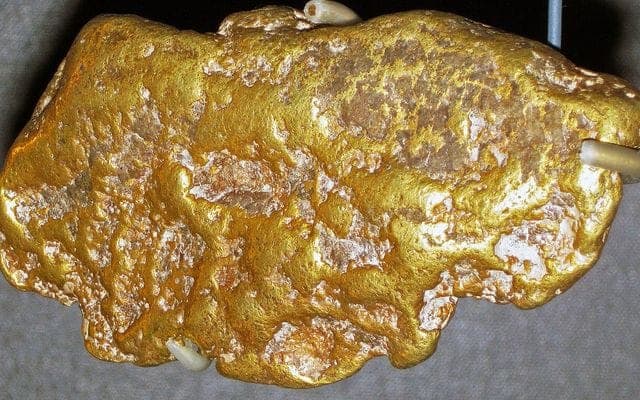
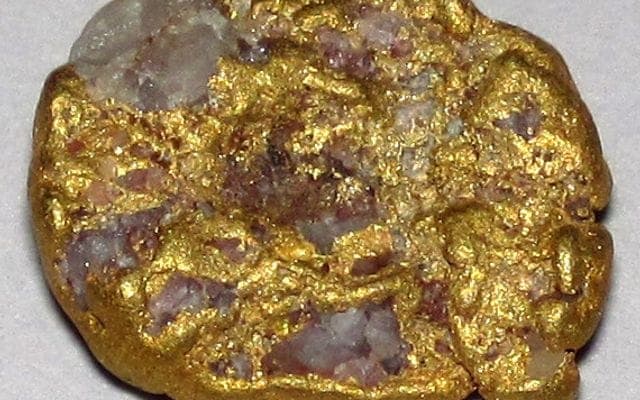
There is also the less rewarding side, which you need to be prepared for. For every interesting object, you will dig up many of little value: pull tabs from cans, bottle caps, rusted iron. Focus Speed invites readers not to see these as wasted time, because every signal is an opportunity to better understand the machine and the ground. When you recover something doubtful, it is worth learning to identify it using non-destructive methods. Wynne, for example, teaches how to assess whether an object is gold, silver, copper or brass based on visual characteristics and on tests that do not damage the find.
Finally, you should not stay alone. Sources advise getting in touch with local metal detecting clubs, one of the best ways to learn something new, exchange experiences with those who have more years in the field and build relationships based on trust. Every experienced detectorist was once a beginner. What matters is starting with realistic expectations, devoting time to practice, studying the sites and treating them with respect. The rest, that is, experience and better finds, comes with the hours spent in the field.