One of the first questions for anyone approaching metal detecting is how to stop digging trash. If the machine recognizes iron, foil and pull tabs, it seems logical to tell it to ignore them and focus on the good targets. This is the idea behind discrimination, but there is a limit to understand right away: the detector does not know whether the object under the coil is trash or treasure. And sometimes the targets we want to find respond in much the same way as those we would prefer to leave in the ground.
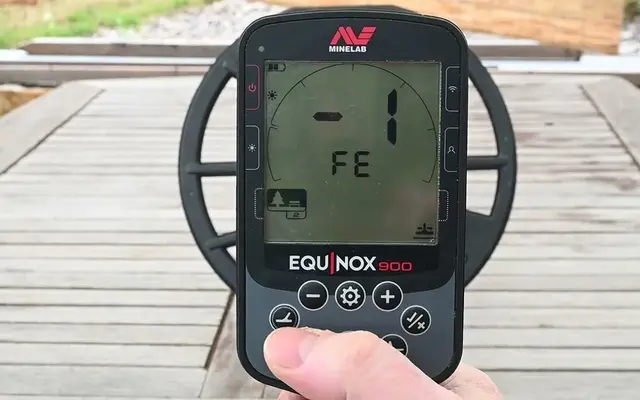
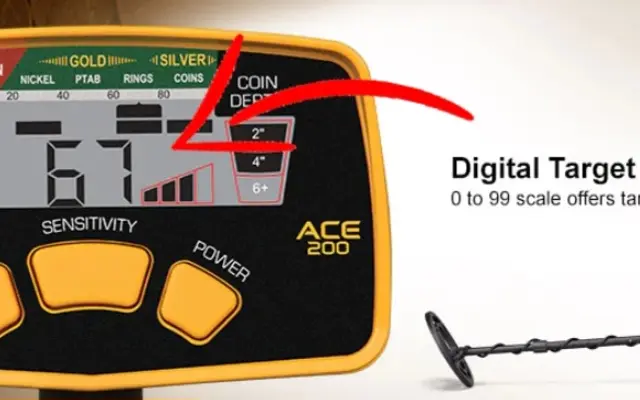
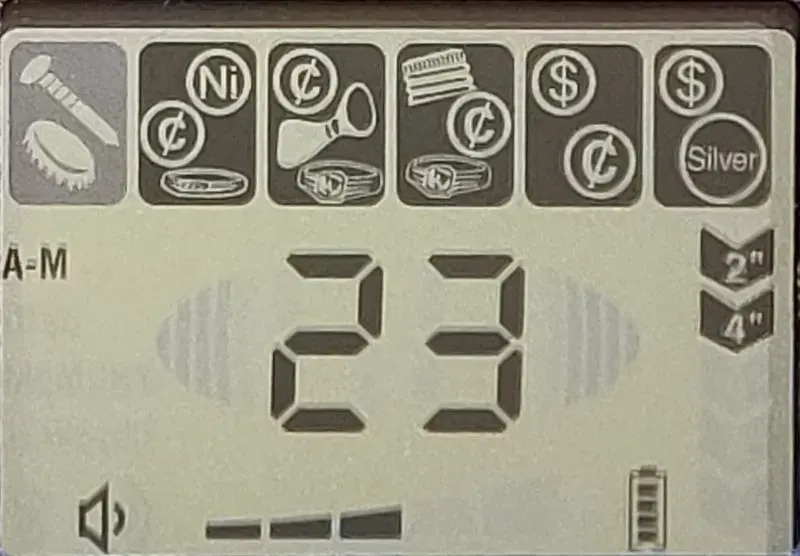
In practical terms, discrimination is the detector's ability to accept or reject targets based on their electromagnetic response. On many modern machines, the Target ID scale is divided into single numbers or groups of numbers, each corresponding to a different response detected by the machine. Depending on the model, you can choose which portions of the scale you want to hear. If the target falls within an accepted range, the detector gives its normal signal. If it falls within a rejected range, the response can be silenced or attenuated. For example, you can exclude part of the ferrous range while leaving the entire non-ferrous range open.
The most important point, however, is another one: the detector does not truly identify the object. It analyzes the target's electromagnetic response and places it at a point on its own identification scale. Discrimination works because different metals tend to behave differently, but for that same reason it can never cleanly separate what is valuable from what is not. The scale is a probabilistic indication, not a verdict.
Those who spend time in the field often hear about "notches," meaning the exclusion of a specific number or band. Instead of rejecting a long continuous stretch of the scale, a specific section is suppressed while everything above and below it is still accepted. This can be useful when a certain type of trash keeps appearing around a particular value. But here the flaw of the system becomes clear: something you are actually interested in could fall within exactly the same range, and the detector would cut it out without hesitation.
Aluminum is the classic example. Anyone who has hunted parks and recreation areas knows how convincingly certain aluminum trash can sound. However, aluminum occupies the same conductivity ranges where desirable targets may also appear. Depending on size, shape and composition, a gold ring can produce a response very similar to that of foil, pull tabs and other modern trash. If you discriminate aggressively against these objects, the machine will do exactly what it was told and silence them. It cannot tell them apart simply because one has value and the other does not.
Iron deserves a separate discussion. Rejecting clearly ferrous targets makes the hunt much more enjoyable, especially on ground full of nails and other iron objects. But consider a small hammered silver coin lying next to a nail. When the coil passes over both objects, the detector may not receive two well-separated signals, one for the iron and one for the silver. Depending on the machine, the coil, the settings, the position of the target and the direction of the sweep, the iron can partly or completely mask the non-ferrous target. With heavy discrimination, that signal may never be checked at all.
This is also one of the reasons why iron-rich sites can keep producing good finds long after they have been considered "thoroughly worked." Those who cleared them quickly, cutting out everything that looked like iron, may have left behind precisely the most interesting mixed signals.
A useful clarification concerns two settings that are often confused but are not the same. Discrimination determines which responses you choose to hear and which to reject. Iron Bias, on the other hand, influences how the detector classifies difficult or mixed responses, those halfway between ferrous and non-ferrous. The first is a filtering choice; the second concerns how an ambiguous signal is interpreted.
So what is worth excluding? The source does not offer a universal recipe, and the reasoning we can draw from it is this: the more you discriminate, the less trash you dig, but the greater the risk of silencing good targets that respond in a similar way. Obvious iron may be a reasonable candidate for exclusion, especially where it is abundant, as long as you remember the risk of masking. With aluminum and with the values where even rings and valuable objects can fall, caution is greater. The right criterion depends on the ground, the kind of finds you are looking for, and your tolerance for digging a few extra targets.