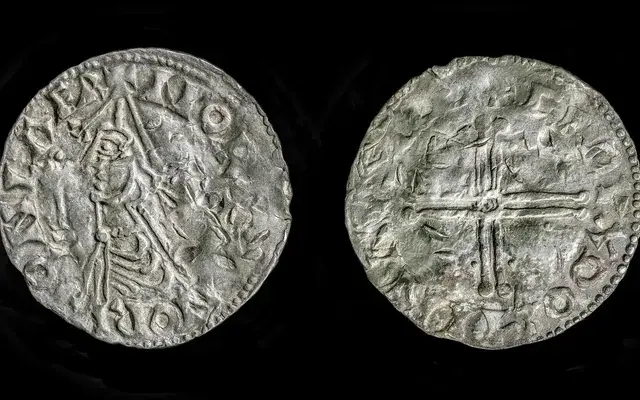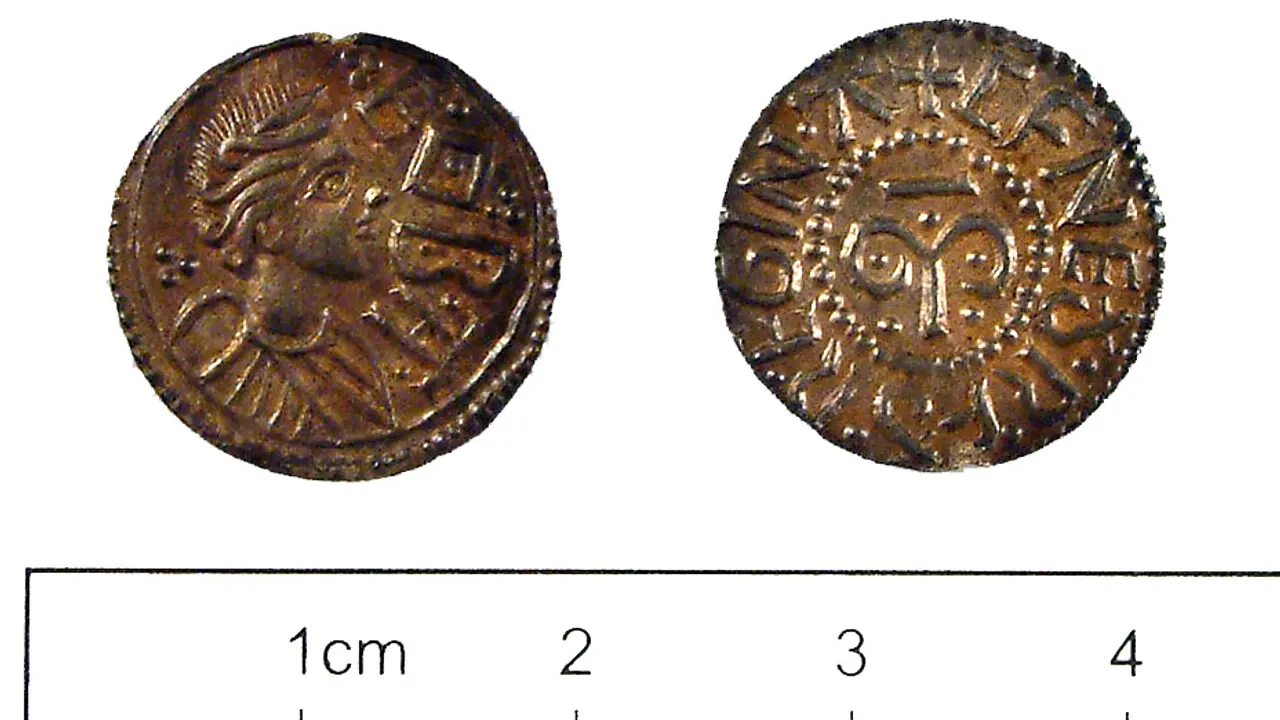
A potentially very rare Saxon penny is the star of the "Find of the Month" at the British shop Regton. The find was made in Essex, in south-east England. In line with site protection rules, no more precise location than the region is given.
According to the Regton blog, the report came from a customer of the shop, Andrew Pudney. After receiving the newsletter the previous month, he shared with the community the discovery of a Saxon coin found in Essex. His name is cited by the source, which, however, is a commercial blog and not an institution.
At first, the significance of the find was unclear. Enthusiasm grew when other detectorists began asking who had found that Saxon penny, a sign that the coin had immediately caught the attention of enthusiasts.
The coin was then examined by Alan of Essex Coins, who confirmed that it could be a very rare example. Caution is necessary: the source speaks of a coin believed to be associated with Cynethryth, not of a definitive attribution.
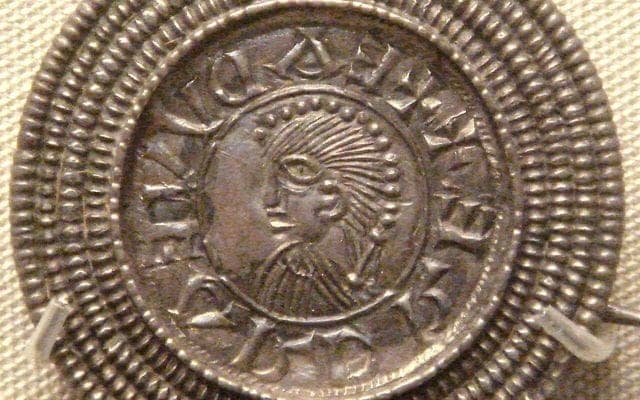
Cynethryth was the wife of King Offa, one of the most powerful rulers of Anglo-Saxon England. According to the blog, coins bearing her name are exceptionally important, because she is the only known Anglo-Saxon queen to have issued coinage in her own name. For this reason, a find of this kind is considered of great interest.
The story also contains a detail useful to those who practise metal detecting. The searcher described the signal as a "nice high signal" and explained that he did not use the discrimination numbers, preferring to rely on listening. Regton cites it as an example of trusting one's own ears and digging strong signals.
This approach has a practical basis. Those who do not rely solely on the numerical value shown on the display tend not to discard targets that could turn out to be interesting. Thin silver coins, such as early medieval pennies, can give different responses depending on depth and soil. The source, however, does not go into these technical details and only reports the detectorist's remark.
Regton concludes by congratulating the customer, calling the discovery extraordinary and a well-deserved Find of the Month. The blog notes that going out in the field can, at times, bring great satisfaction.
For now, the information available comes only from the shop's blog. The source contains no data on a museum evaluation or an official registration of the find. For this reason, it is advisable to wait for any confirmation before considering the attribution to Cynethryth definitive.
As a reminder for Italian readers, in Italy the legislation on cultural heritage is very different from the British one. The use of metal detectors is subject to precise rules, and finds of archaeological interest must be reported to the competent authorities. Rules should always be checked before going out to search.