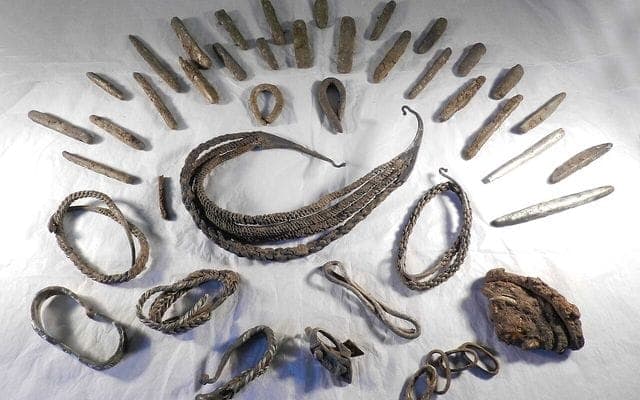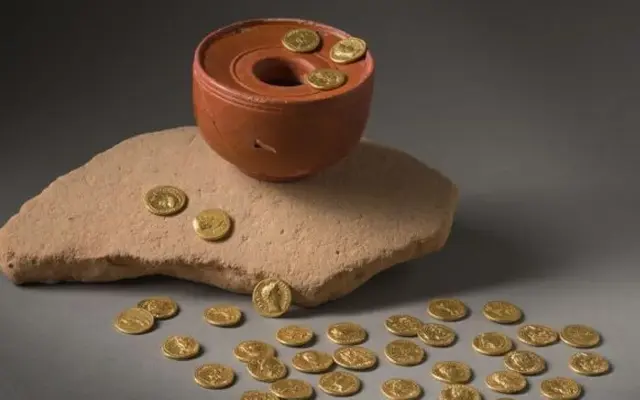
A hoard dating back about 800 years, made up of gold jewelry and silver coins, has been unearthed in the Netherlands with the help of a metal detector. According to Live Science, the finds were apparently buried in a medieval marsh, possibly to keep them safe in wartime.
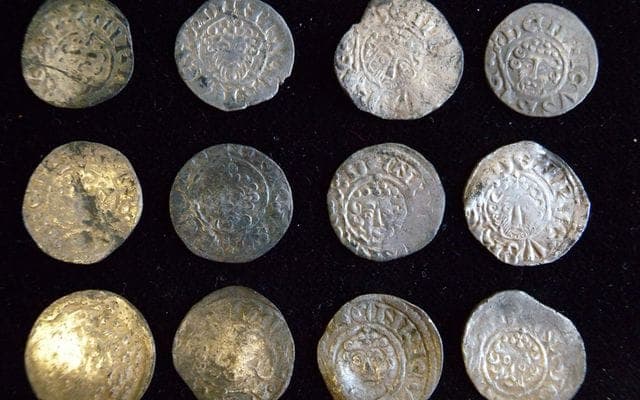
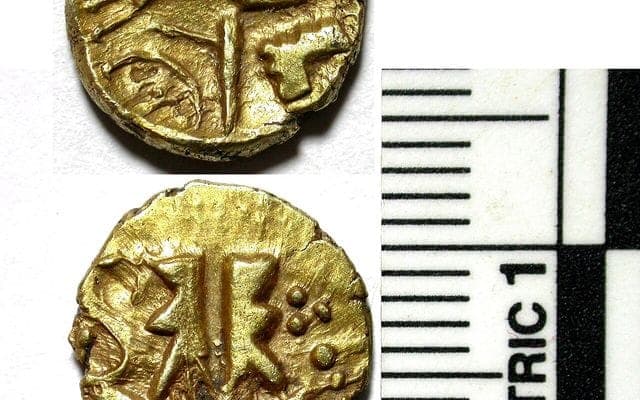
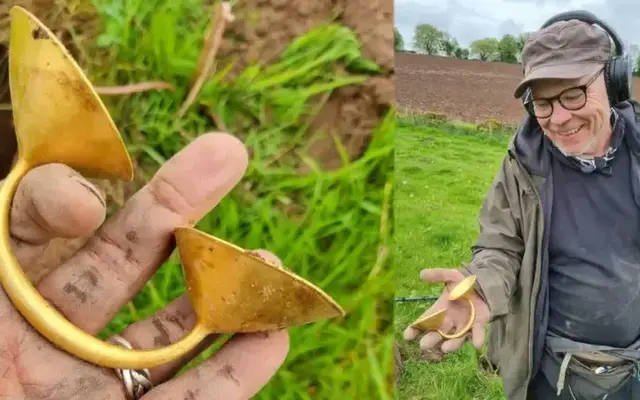
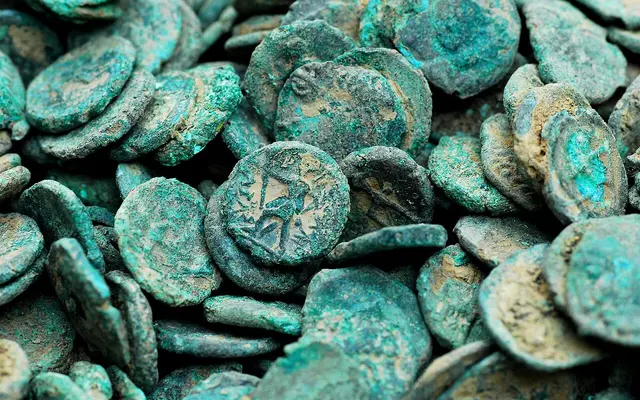
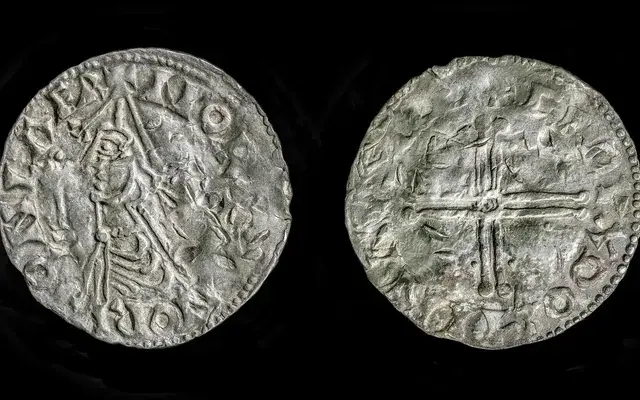
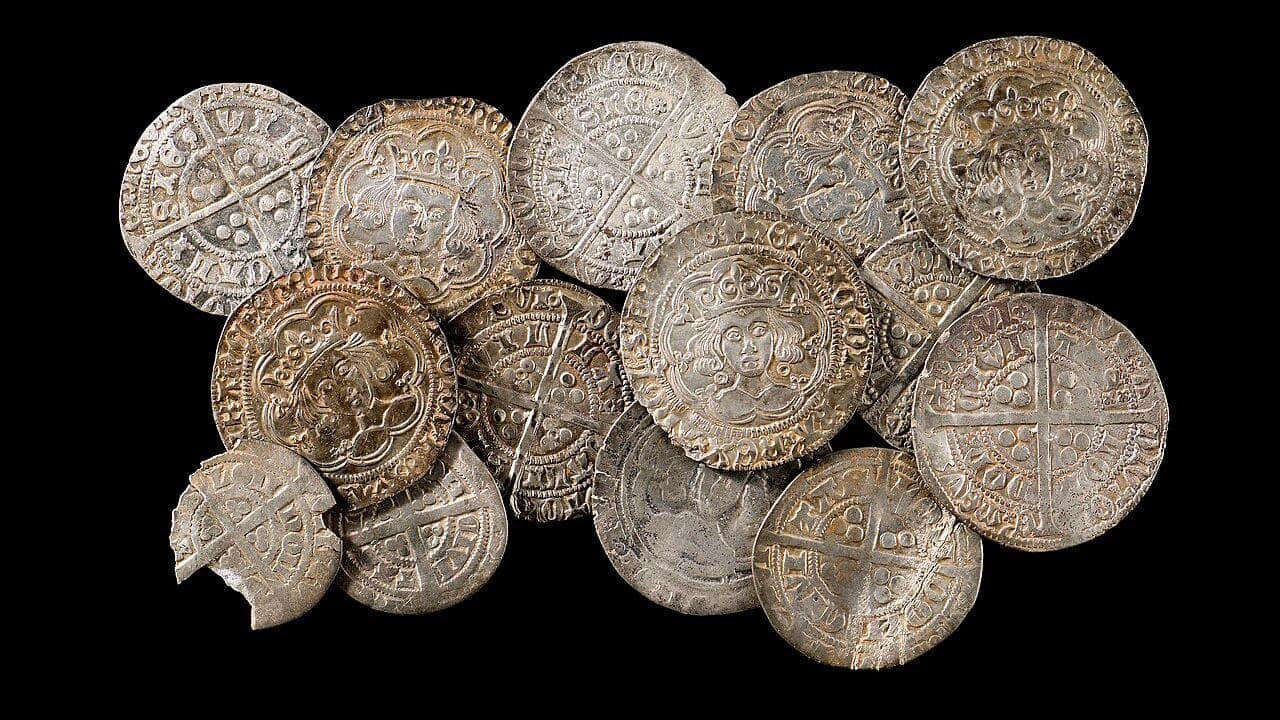
The discovery dates back to 2021. It was made by Lorenzo Ruijter, a historian who was conducting a metal detector survey in Hoogwoud, a small town in the north of the country, in the region of West Friesland. The hoard includes four gold earring pendants, two strips of gold leaf and 39 silver coins. Archaeologists at the Rijksmuseum van Oudheden, the Dutch National Museum of Antiquities, have now dated the treasure to the Middle Ages.
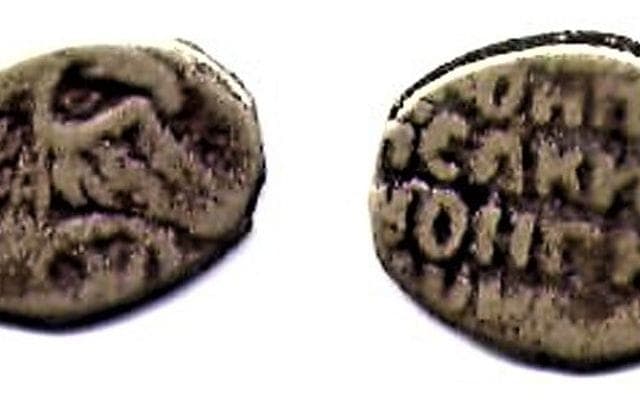
The coins are hammered silver and show different styles. As Ruijter explained to the outlet, some were produced locally in the early 13th century, while a couple bear the marks of the Holy Roman Empire. The most recent coin dates to 1247 or 1248, which sets the earliest possible date for the hoard being hidden.
That date is significant. According to Ruijter, it coincides with a period of clashes between independent farmers, who cultivated the marshy lands of what was then the free state of West Friesland, and the various counts of Holland who claimed those lands. In a period of constant conflict, he observed, people tried to protect their goods and money. There were no banks in the Middle Ages, so the solution was to bury everything underground.
The social value of the objects also strikes scholars. In a statement released by the museum, experts stress that gold jewelry of this kind belonged only to the highest social classes. Ruijter suggested that the owner was a person of great wealth and power, perhaps even the Countess of Holland. Annemarieke Willemsen, curator of the museum's medieval collections, spoke of objects that belonged to people of the highest ranks of society, possibly kings or counts.
A great deal remains to be clarified. The museum's archaeologists are still studying the gold pieces to establish when and where they were made, although, Ruijter noted, the engravings are typical of the Frisian area. Willemsen acknowledged that it is currently impossible to estimate what they were worth at the time, because there are no points of comparison, and it is not even known whether they had sentimental value for their owner.
The curator also explained why similar objects are so rare. Gold was constantly recycled, and anything that was not buried was most likely melted down over the centuries. This is why what survives underground offers an exceptional window onto a world that has otherwise almost vanished.
For those who practice metal detecting, the story is a reminder of how wetlands and marshy areas can preserve evidence of specific historical events. A single signal, combined with the historical expertise of the searcher and the subsequent analysis in the museum, can become a useful piece in reconstructing an episode of war and everyday life in the 13th century. Further details on the dating and provenance of the jewelry should emerge from the ongoing studies at the Rijksmuseum van Oudheden.