You sweep the search coil over the ground, a signal comes, you read the Target ID and dig. A few centimeters down there is a coin that may have lain there for centuries. But how did the detector notice it? Between the moment the coil passes over the object and the beep we all know well, more happens than you might think, and understanding it helps in interpreting what the instrument is telling us.
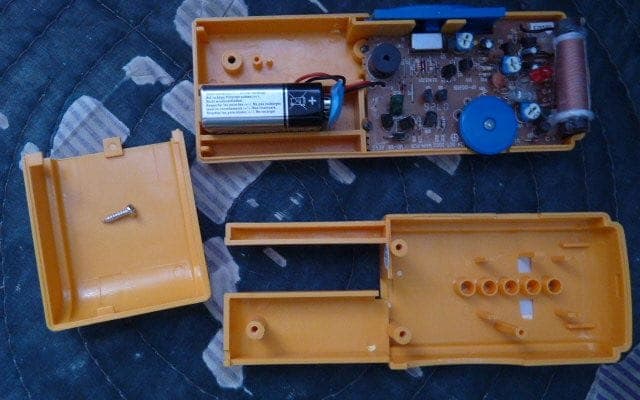
A modern metal detector uses electromagnetic fields to locate metal beneath the surface. The search coil does not 'scan' the ground in the everyday sense of the word. Inside it are windings of wire responsible for transmitting and receiving electromagnetic signals. Depending on the coil's design, these two functions may be carried out by separate windings, while some technologies use the same winding for both.
When the detector is switched on, the current flowing through the transmit winding creates a variable electromagnetic field around the coil. As you sweep the ground, you are in practice moving this field through the soil. As long as there is nothing metallic beneath the coil, reception stays quiet. Things get interesting when a metal object enters the field.
Let's imagine passing over a hammered silver coin. The detector's field reaches the coin and causes tiny electric currents to circulate within the metal, the so-called eddy currents. These currents in turn produce an electromagnetic field of their own. The coil picks up their response, which is very weak, and passes it to the electronics for processing. The end result can be an audible tone, a Target ID number or another indication on the display.
The chain can be summed up like this: the detector creates an electromagnetic field, the field reaches the metal, currents form in the metal, the metal generates its own electromagnetic response, the detector receives it, and we hear the signal. The basic principle, in short, is fairly straightforward.
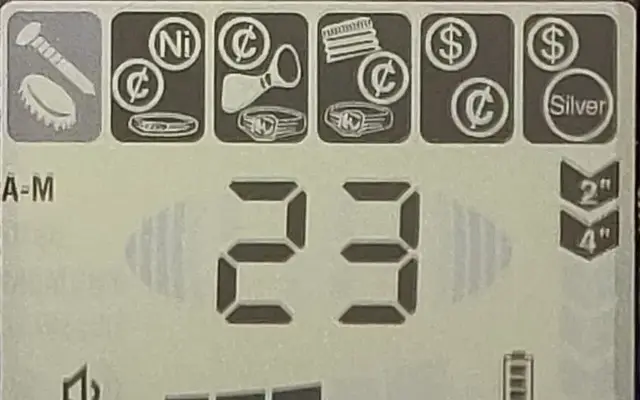
Much harder is determining what kind of metal it is. Different targets respond differently to the field emitted by the detector, and the electronics analyze the return signal to estimate what type of object may be under the coil. On most modern detectors, part of this information appears as a Target ID number.
Here is the point that matters most: the detector does not actually know that a silver sixpence is lying beneath our feet. It forms an electronic judgment, reasoned but still approximate, based on the target's response. That is why completely different objects can produce very similar Target IDs. A piece of aluminum, a gold ring, a hammered coin or a lead fragment can overlap, depending on the instrument, the target and the conditions. This is also why experienced detectorists do not rely solely on the number shown on the screen.
If the detector can pick up differences between responses, it can also try to separate the targets you want from those that are probably not worth digging up. This is called discrimination. You might, for example, choose to reject certain ferrous responses, so that the detector does not give the normal accepted-target tone for every iron nail it meets. The detector still detects the nail: it analyzes the response and, depending on the settings, decides not to give the same indication it would give for an accepted target.
There is, however, a price to pay. If discrimination is set too aggressively, you risk discarding desirable targets too, if they produce a response similar to what you want to eliminate. Loosening the filters a little, at the cost of a few more digs, is often the most reasonable compromise.
The source also points out that the response depends on the nature of the metal and on the size of the object. Silver and copper, for example, are highly conductive, while other targets generate noticeably different electrical responses. A large piece of aluminum and a tiny one do not necessarily behave the same way, and the same goes for a thin hammered silver coin compared with a thicker one. Metal, size and shape together contribute to the signal the coil receives.
In practice, understanding the mechanism changes your approach in the field. The Target ID is a useful indication, but it remains an estimate derived from an electromagnetic response: discrimination is a tool to be used with care, not an infallible filter. When the signal is good and repeatable, and you are not entirely sure what it is, the simplest solution is still to dig and check for yourself.