NCMD, winners of the Annual Finds Competition 2026
Three finds honoured in the UK: Roman lead ingots, a gold aureus of Vespasian and a puzzling Anglo-Saxon gold object.
November 19, 2026
ShareLink copied!
The National Council for Metal Detecting (NCMD), the British body that represents detectorists, has announced the winners of the Annual Finds Competition 2026. According to the NCMD's website, the three prizes were awarded to finds made by members over the past year, and they span a very wide range of history, from the Roman period to the early Anglo-Saxon period.
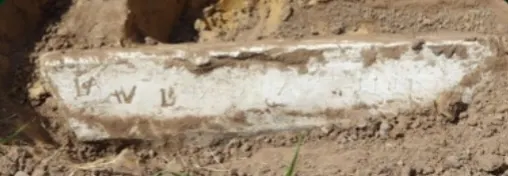
In the Best Hoard category, dedicated to hoards, the winning find was made by Royston, Shane and Troy, a ten-year-old boy, during an outing with the Ninth Region Metal Detecting Club. The group located three huge Roman lead ingots, called 'pigs' in English, each weighing between about 80 and 100 kilograms.
The ingots bear impressions with the name of the emperor Vespasian, stamped on the upper surface during casting, together with Roman numerals and other marks. Items of this kind are valuable to scholars, because they make it possible to link the objects to a precise historical and production context.
The club's conduct is also striking. Aware of the importance of the find, members of the Ninth Region Metal Detecting Club contacted archaeologists through the NCMD, and the local Finds Liaison Officer (FLO) was informed. The ingots are now with the FLO and are following the procedure laid down under Treasure. For this reason, the NCMD notes, no further details can be provided for the time being. The association wished to thank in particular Steve, Dan and Mike for their dedication to history and their professionalism in supporting the recovery and the reporting.
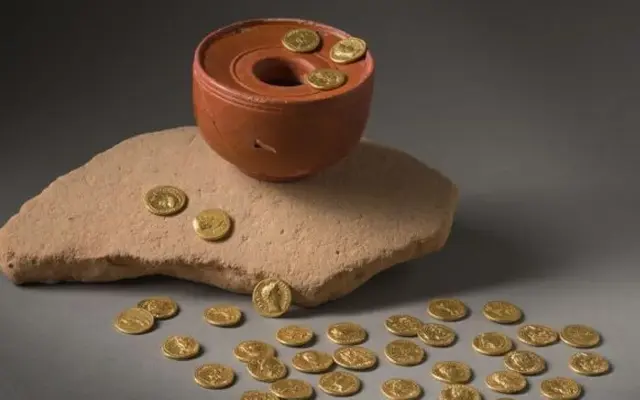
The Best Coin category was won by a Roman gold aureus of Vespasian, emperor from AD 69 to 79. The reverse shows Pax, the Roman goddess of peace, accompanied by the inscription COS ITER, meaning 'consul for the second time'. The NCMD describes it as a remarkable example of Roman craftsmanship and a fascinating window onto the period.
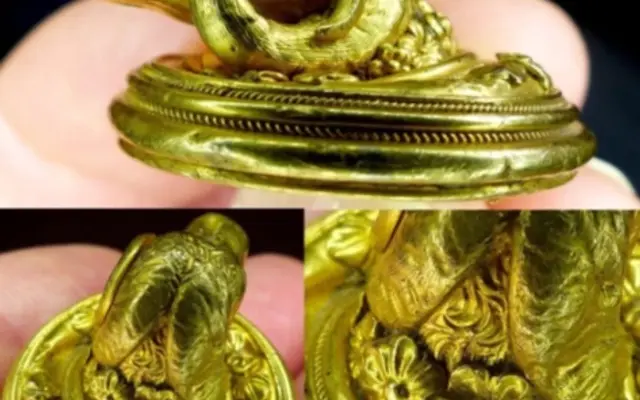
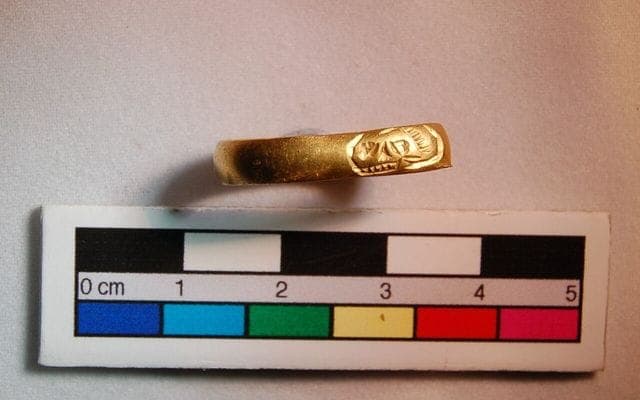
The third prize, Best Artefact, went to an intriguing gold object. Initial assessments suggest it may date to the early Anglo-Saxon period. The item is made of high-purity gold and features a distinctive ring-and-dot motif on its palm. The design is particularly unusual: no parallels have been identified so far. It is also not ruled out that the object may have an origin outside the United Kingdom.
Investigations will continue. A visit to the British Museum is planned to obtain a second opinion, along with an XRF analysis, X-ray fluorescence, which is useful for determining the composition of the metal without damaging the find. The NCMD says it looks forward to the results of the research.
In its congratulatory message, the association stresses that every find tells a story and demonstrates the contribution that responsible metal detecting can make to our understanding of the past. The case of the ingots, reported promptly and entrusted to experts, is a concrete example of this.
Meanwhile, the NCMD is looking ahead to the new competition year, which runs from November 2026 to October 2027. Entries for the November competition close at midnight on 30 November and can be submitted from the Members' Area of the website or via the association's app. Those who take part could become the first winner of the new season.
ADV
The AI assistant for metal detecting
Custom programs, restricted-area checks, ground recognition and much more.Try it free →Get the app