Switzerland, metal detector unearths 2,000-year-old Roman dagger
A volunteer archaeologist finds a rare inlaid dagger at Tiefencastel, leading to the discovery of a battlefield between legionaries and Raetians.
November 16, 2021
ShareLink copied!
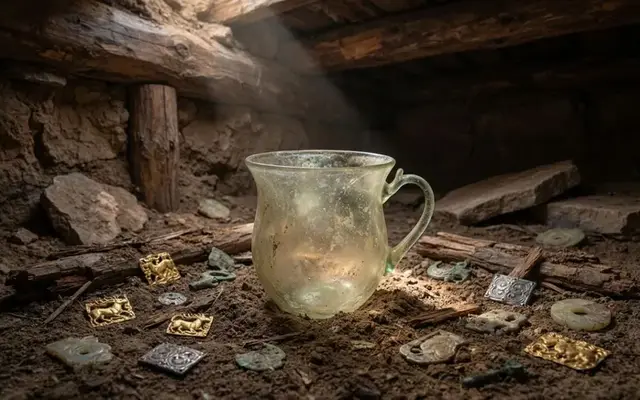
AI-generated illustrative image
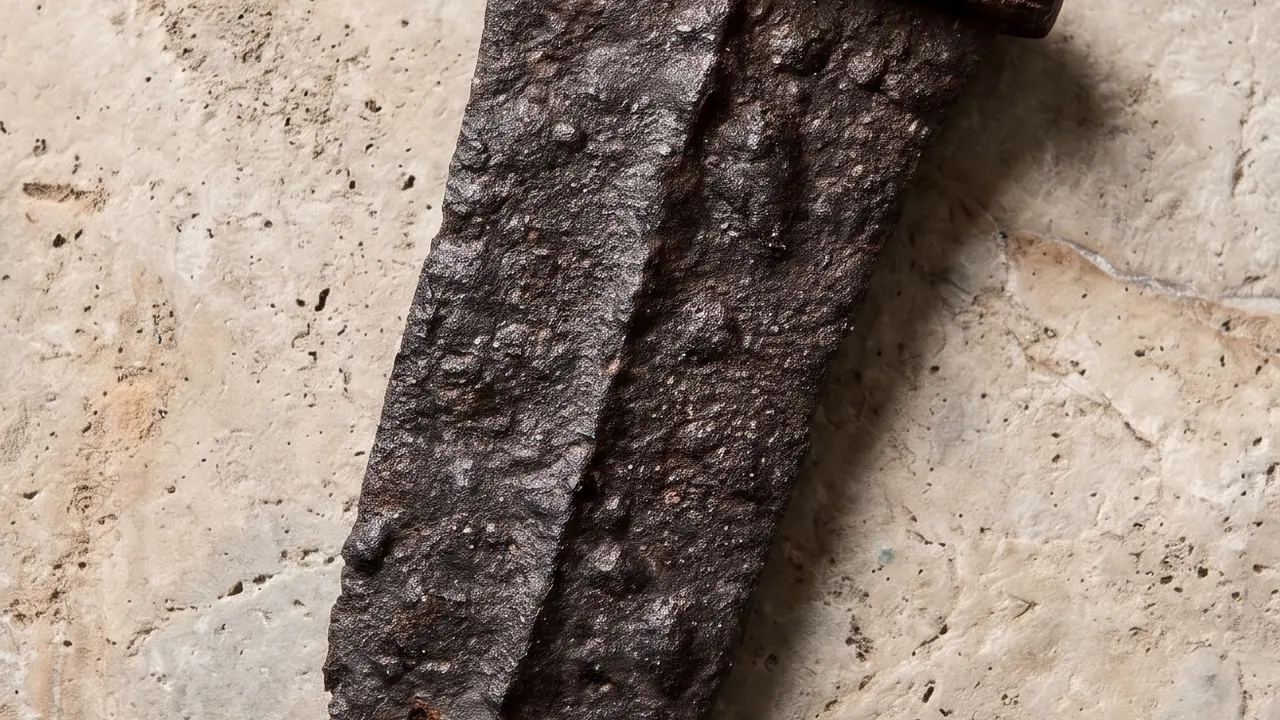
An amateur Swiss archaeologist used a metal detector to locate an ornate dagger that belonged to a Roman soldier some 2,000 years ago. According to Live Science, the find prompted new investigations that uncovered a "lost" battlefield where legionaries clashed with Raetian warriors during the period when Rome was seeking to consolidate its power in the area.
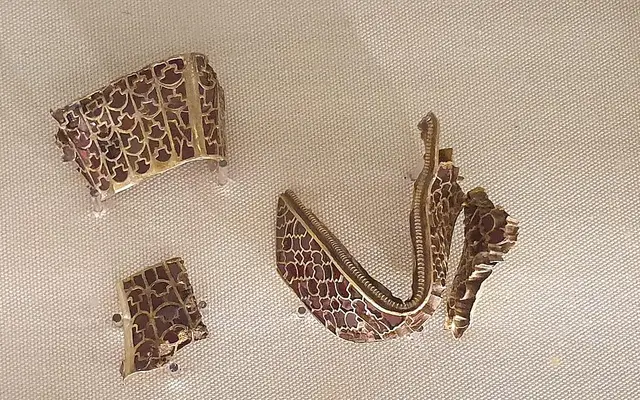
The weapon is made of iron and decorated with inlays of silver and brass. Archaeologists believe it belonged to a legionary and may have been intentionally buried after the clash as an offering of thanks for victory. According to the source, only four other similar examples have been found across all the former Roman territories, with distinctive features such as a cross-shaped grip.
The protagonist is Lucas Schmid, then a dentistry student and volunteer archaeologist, who in the spring of 2018 began exploring the area near the mountain village of Tiefencastel, in the canton of Graubünden in southeastern Switzerland. Excavations carried out in the area in 2003 had already yielded traces of a Roman army, and the site was thought to have been cleared of all finds. Schmid, however, suspected that the site had never been searched with sufficient care. As he explained to Live Science, he soon began recovering metal fragments and realized that other objects could be expected.
The dagger emerged in the spring of 2019, on a small hill beside a river gorge. The metal detector's signal was initially very faint, suggesting a small object. As he dug, Schmid realized it was instead a large object buried deep: the complete weapon lay about 30 centimeters below the surface. It is an example of how even a barely perceptible signal can be worth digging up. Schmid himself described the find as a once-in-a-lifetime opportunity, in a place where he did not expect to find an object of such importance.
The detectorist reported the discovery to the Archäologischer Dienst Graubünden (ADG), the cantonal archaeological service, which had issued the permit for his metal detector research. In September of this year, archaeologists from the ADG and the University of Basel, Schmid included, investigated the site.
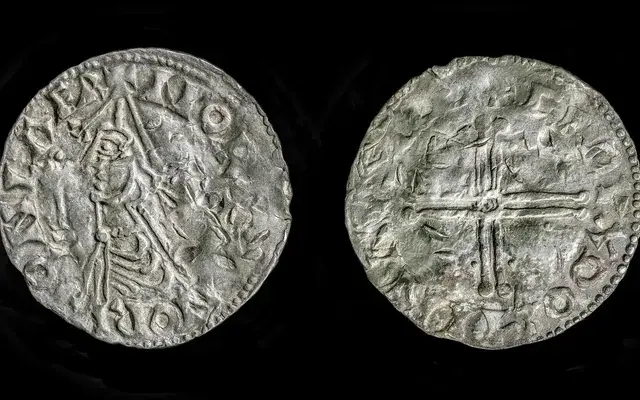
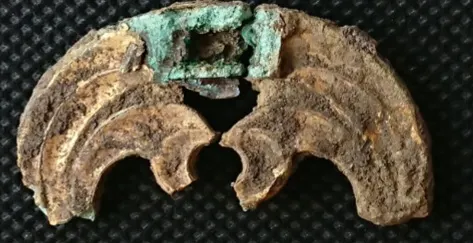
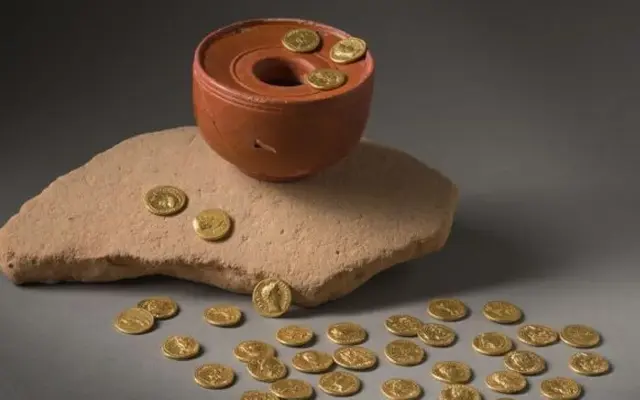
At the end of the excavation, later that same month, the team had recovered hundreds of artifacts scattered across more than 35,000 square meters. The finds include spearheads, lead sling bullets, pieces of shields, coins, and hobnails from legionaries' footwear, the heavy studded sandals known in Latin as "caligae."
The story shows the value of collaboration between enthusiasts and institutions: the research was carried out with proper authorization, the find was promptly declared to the authorities, and this made it possible to document scientifically a context that might otherwise have remained unknown. An area believed to be exhausted has instead yielded an entire battle scene, confirming that sites already investigated can still hold surprises for those who re-examine them with the right method and tools.
ADV
The AI assistant for metal detecting
Custom programs, restricted-area checks, ground recognition and much more.Try it free →Get the app